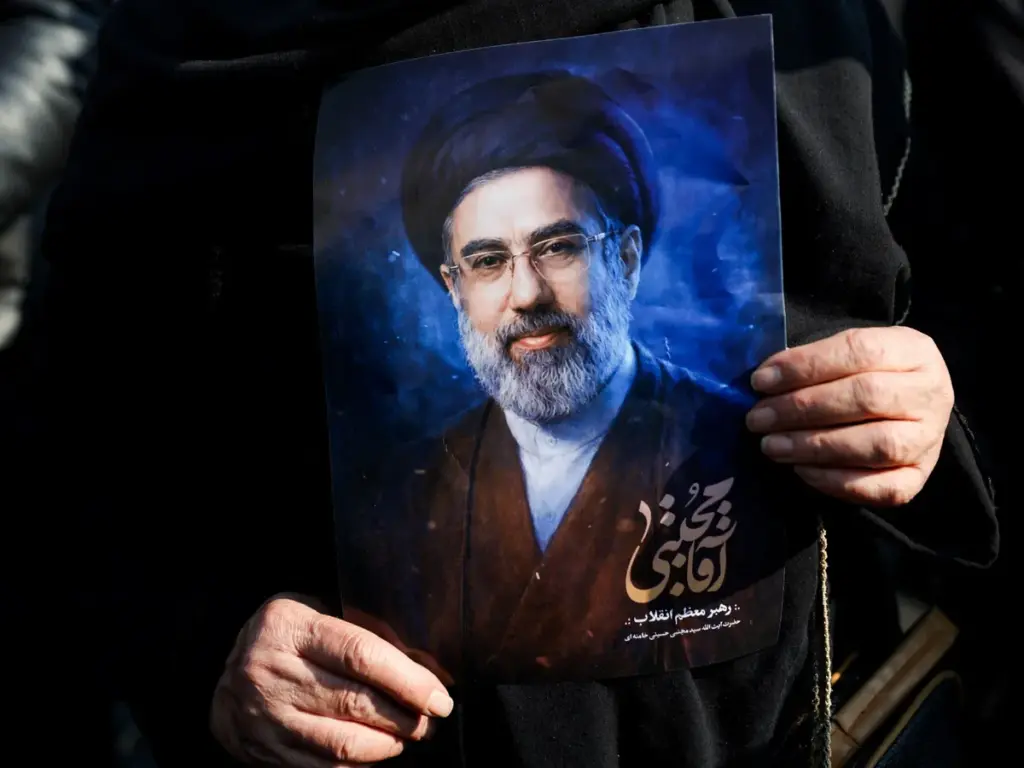
Mojtaba Khamenei has taken over as Iran’s Supreme Leader after the death of his father, Ayatollah Ali Khamenei, amid significant geopolitical tensions.
Transition of Power in Iran
The political landscape in Iran has shifted dramatically following the appointment of Mojtaba Khamenei as the new Supreme Leader on March 9, 2026. This transition comes in the wake of the death of his father, the late Supreme Leader Ali Khamenei, who was killed in US-Israeli strikes, a development that has left the nation grappling with uncertainty.
Prior to this appointment, expectations were centered around a potential power struggle within the Iranian political and security establishment. However, Mojtaba Khamenei received immediate backing from these entities, signaling a unified front in the face of external threats.
The immediate effects of this leadership change have been profound. Mass rallies were held across Iran to show support for Khamenei, indicating a strong public backing despite his lack of formal governmental experience. His appointment has been met with contrasting reactions internationally.
Oman’s Sultan sent a congratulatory message, while Iraqi Prime Minister Mohammed Shia al-Sudani expressed confidence in Khamenei’s leadership, stating, “We express our confidence in the ability of the new leadership in the Islamic Republic of Iran to manage this sensitive stage.” This highlights a regional expectation for stability under the new leader.
International Perspectives
Conversely, US President Donald Trump criticized Khamenei’s appointment, calling it a mistake and expressing skepticism about its longevity. Trump’s remarks reflect the ongoing tensions between Iran and the United States, which have escalated in recent years.
Israel’s Foreign Ministry took a harsher stance, labeling Khamenei a “tyrant” and threatening him, indicating a potential for increased hostility in the region. This contrasts sharply with the supportive messages from neighboring countries, illustrating the divided international response to Iran’s new leadership.
Support from Allies
In a show of solidarity, Russian President Vladimir Putin pledged unwavering support to Iran following Khamenei’s appointment. He remarked, “At a time when Iran is confronting armed aggression, your tenure in this high position will undoubtedly require great courage and dedication.” This statement underscores the geopolitical alliances that may shape Iran’s future under the new leadership.
Additionally, Yemen’s Houthis congratulated Khamenei, further solidifying the regional alliances that Iran has cultivated over the years. The backing from these groups may embolden Khamenei as he navigates the complexities of his new role.
As Iran enters this new chapter under Mojtaba Khamenei, the implications of his leadership will unfold against a backdrop of significant internal and external challenges. Details remain unconfirmed regarding the long-term impact of this transition on Iran’s domestic and foreign policy.