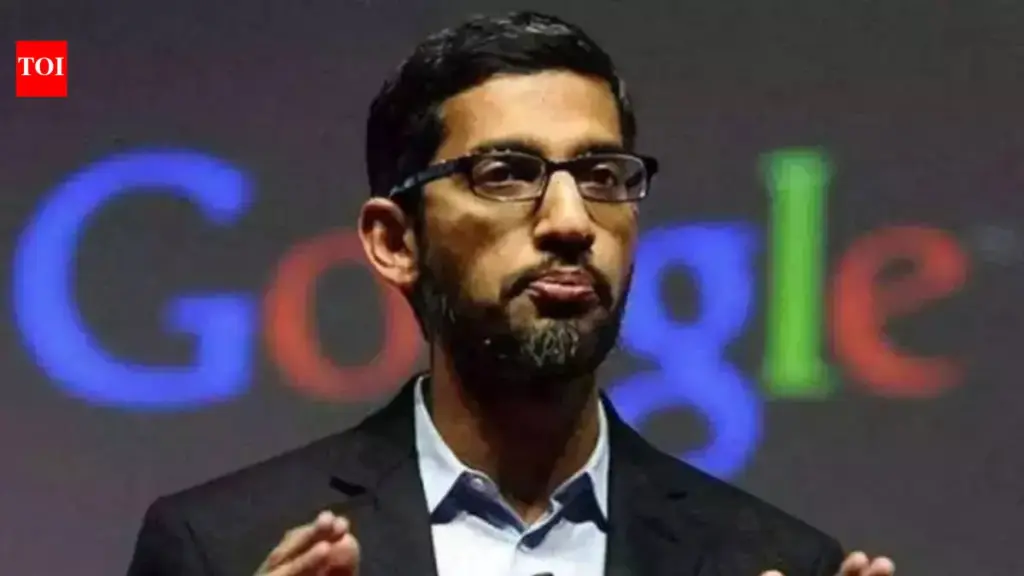
Sundar Pichai has called on American tech companies to lead in AI development, emphasizing its potential to reshape industries and the importance of responsible innovation.
What does Sundar Pichai envision for the future of artificial intelligence (AI)? Recently, Pichai urged American technology companies to take the lead in global AI development, highlighting its transformative potential across various sectors.
Pichai described AI as “the most profound technology yet,” underscoring its capacity to reshape industries such as medical research, education, and emergency response. His assertion reflects a growing recognition of AI’s role in driving innovation and efficiency.
During his remarks, Pichai emphasized the necessity for regulation and investment in workforce training to ensure that AI benefits everyone, not just a select few. He stated, “Take the lead and develop it boldly and responsibly so every American benefits,” illustrating his commitment to inclusive technological advancement.
However, the push for AI leadership comes amid challenges. U.S. tech giants are facing increasing scrutiny over their environmental impact, particularly concerning water use, land requirements, and energy consumption for new data centers. In contrast, China is exploring innovative solutions, such as underwater data centers cooled by seawater.
Pichai remains optimistic about the future, stating, “I’m optimistic. Not because I believe in technology, but because I believe in people and the sheer power of American ingenuity.” This belief in American innovation is a cornerstone of his vision for AI.
As the landscape of AI continues to evolve, the call for responsible development and equitable access remains paramount. Pichai’s leadership could play a crucial role in shaping the future of AI, ensuring it serves as a tool for widespread benefit.
Details remain unconfirmed regarding specific initiatives or regulations that may emerge from this call to action. However, the conversation around AI’s potential and its implications for society is more critical than ever.