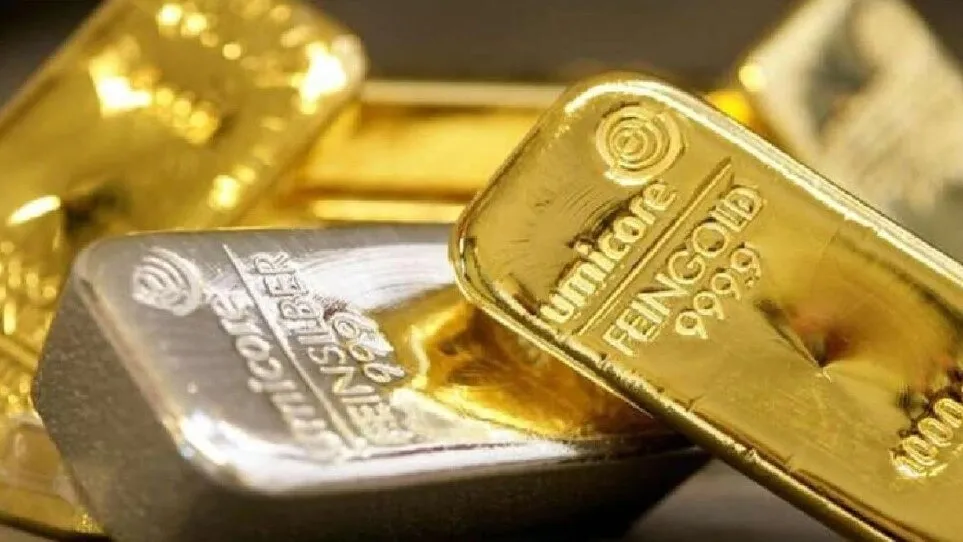
Silver prices have seen a significant decline recently, influenced by various market factors. This article examines the reasons behind this shift.
Who is involved
Historically, silver prices have surged during periods of conflict and economic uncertainty, as investors seek safer assets. However, the recent market dynamics have led to a notable decline in silver prices, challenging previous expectations of stability and growth.
As of March 23, 2026, silver prices fell by ₹20,409, bringing the cost to ₹2.06 lakh per kilogram. This sharp drop of 9% has raised concerns among investors who had anticipated a more favorable market environment. The decline is particularly striking when viewed in the context of a 10.21% decrease compared to previous levels.
The immediate factors contributing to this decline include profit-taking and liquidity needs following a recent rally in silver prices. Investors, seeking to cover losses in other asset classes, have begun to cash out, leading to increased selling pressure. According to market analyst Hareesh V, “Profit-taking and liquidity needs have also triggered selling after metals’ earlier rally, with investors cashing out to cover losses elsewhere.”
In addition to domestic market pressures, global trends have also played a significant role. The global spot silver market has seen a decline of around 3.2%, while silver futures for May delivery on the Multi Commodity Exchange have slumped 9% to ₹2,06,363 per kilogram. The Comex market reflects similar trends, with silver futures for the May contract declining by $6.51, or 9.34%, to $63.15 per ounce.
Further complicating the situation is the strength of the U.S. dollar and rising Treasury bond yields, which have collectively weakened bullion prices. Dr. VK Vijayakumar notes, “It is important to understand that the huge risk-off globally has impacted all assets including stocks, bonds and precious metals like gold and silver.” This broad-based selling across asset classes has created a challenging environment for precious metals.
Despite escalating tensions in West Asia, which historically would drive investors towards safe-haven assets like silver, the current market sentiment remains bearish. The expectation of delayed interest rate cuts has added further pressure on silver prices, leading to a situation where silver prices hit their lower circuit limit amid weak global trends.
Experts suggest that the volatility of silver, which is often more pronounced than that of gold, has led to sharper price declines. Tim Waterer highlights that steep selloffs in Asian stock markets are leading to unwinding of long positions in gold, further impacting silver. “These forces have outweighed safe-haven demand, keeping precious metals under downward pressure,” he states.
As the market continues to evolve, the implications of this decline in silver prices will be closely monitored by investors and analysts alike. The interplay of global economic factors, investor sentiment, and market dynamics will ultimately shape the future trajectory of silver prices in the coming months.