Recent DNA analysis of the Shroud of Turin reveals significant links to Indian ancestry, suggesting a complex historical journey for this revered artifact.
In a groundbreaking development, researchers have revealed that the Shroud of Turin contains DNA traces linked to Indian ancestry. This finding, announced by Dr. Gianni Barcaccia from the University of Padua, suggests that around 40% of the DNA on the Shroud is associated with Indian bloodlines, prompting new discussions about the cloth’s historical journey.
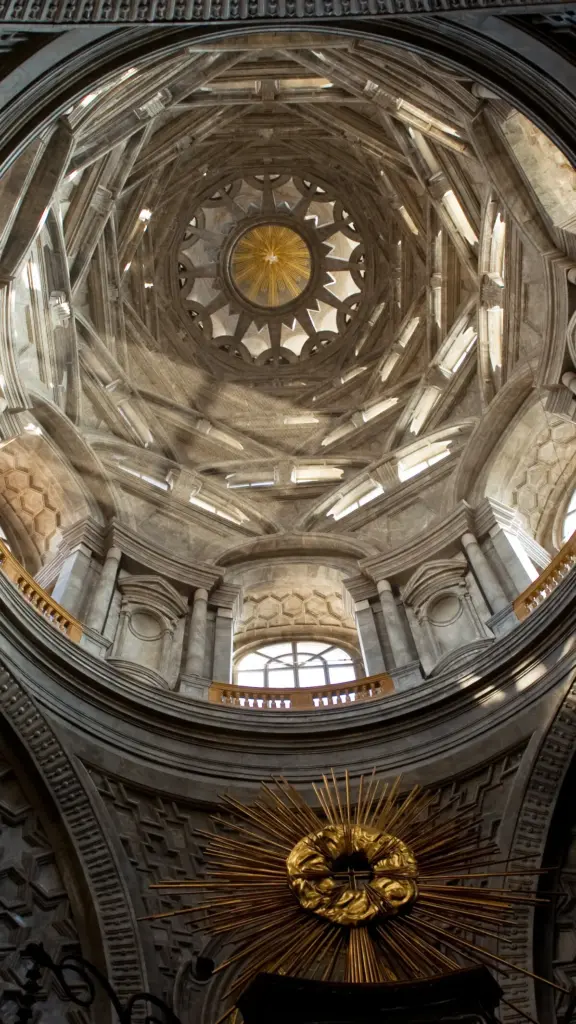
The Shroud, a 4.4-meter-long linen cloth housed at the Cathedral of Saint John the Baptist in Turin, Italy, has long been a subject of fascination and debate. Its dating, based on radiocarbon analysis, places its origins between 1260 and 1390 CE. The recent DNA analysis indicates that the Shroud may have passed through the Middle East, further complicating its historical narrative.
Dr. Barcaccia noted, “The DNA traces found on the Shroud of Turin suggest the potentially extensive exposure of the cloth in the Mediterranean region and the possibility that the yarn was produced in India.” This assertion aligns with historical accounts that indicate the Shroud’s presence in 14th-century France, around 1354.
Interestingly, the presence of approximately 38.7% of Indian ethnic lineages could result from historical interactions, including the importation of linen by the Romans from regions near the Indus Valley. However, the Shroud’s journey has been complicated by its handling by multiple individuals over time, making it challenging to identify the original DNA of the cloth.
In addition to human DNA, the analysis revealed traces from domestic animals, wild animals, and plants, indicating a rich history of interaction with various environments. Despite these intriguing findings, details remain unconfirmed, as the study has not yet undergone peer review.
The exact origins of the Shroud and its historical journey remain debated among scholars. While the claim of Indian descent is significant, it does not definitively prove that the Shroud was made in India, leaving room for further investigation and discussion.
As researchers continue to explore the Shroud’s complex history, the latest findings are likely to stimulate renewed interest in this enigmatic artifact, which has captivated believers and skeptics alike for centuries.