Droupadi Murmu addressed the International Santhal Conference at Visva-Bharati University in Santiniketan, emphasizing the importance of cultural respect in democracy.
Droupadi Murmu Addresses International Santhal Conference
“Moments like these remind us that the strength of democratic institutions lies not only in law, but also in the culture of respect that surrounds them,” stated Droupadi Murmu, India’s first tribal President, during her speech at the International Santhal Conference held at Visva-Bharati University in Santiniketan on March 7, 2026.
Murmu’s presence at the conference was significant, as it underscored the importance of tribal culture and representation in Indian society. However, her remarks were tinged with disappointment over the absence of West Bengal’s Chief Minister Mamata Banerjee and other senior ministers during her visit. The venue for the conference was also changed at the last minute due to a lack of permission, adding to the challenges faced during the event.
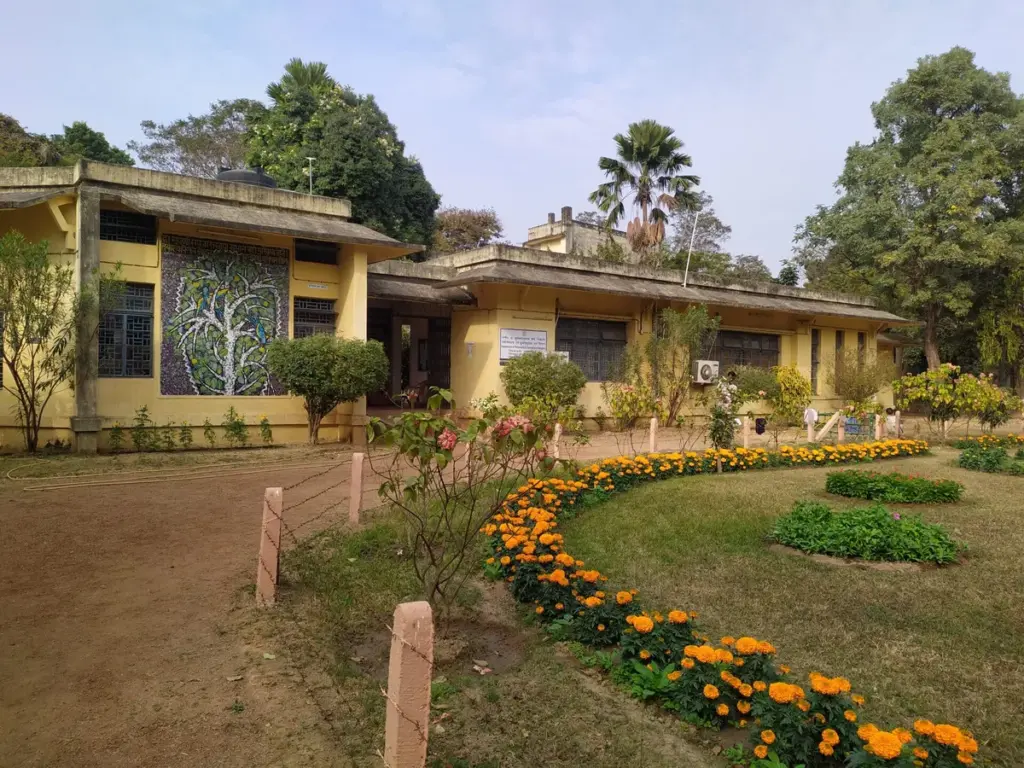
The International Santhal Conference aimed to celebrate and discuss the rich cultural heritage of the Santhal community, a significant tribal group in India. This event aligns with the broader efforts to promote tribal rights and recognition within the framework of Indian democracy.
In a related context, the legacy of Nandalal Bose, a prominent figure in Indian art, continues to resonate strongly in Santiniketan. Bose, who staged a visual coup at a political gathering in Haripura, Gujarat in 1938, created 77 posters depicting the life of the soil, which were meant to be accessible to the masses. His belief that art should be as common as the air we breathe reflects a commitment to decolonizing the Indian mind through creative expression.
The Haripura panels, which are a testament to Bose’s vision, will be on display at the National Gallery of Modern Art from March 9 to April 9, 2026. Nidhi Choudhari, a curator involved with the exhibition, noted, “The Haripura panels were never intended to be museum objects in the conventional sense.” This perspective emphasizes the dynamic nature of art as a living dialogue rather than static displays.
Furthermore, the exhibition titled ‘Colours of Swades’ employs Artificial Intelligence to reinterpret Bose’s works, illustrating how technology can enhance the understanding of artistic narratives. Choudhari remarked, “Technology is a tool of interpretation. It helps visitors step closer into the world Bose imagined.” This innovative approach aims to bridge the gap between historical art and contemporary audiences.
As the International Santhal Conference concluded, the discussions highlighted the ongoing need for cultural respect and recognition within India’s democratic framework. The convergence of these events in Santiniketan serves as a reminder of the intertwined nature of art, culture, and politics in shaping societal values.
Looking ahead, the impact of Murmu’s address and the ongoing exhibitions related to Nandalal Bose’s work will likely continue to influence conversations around tribal rights and the role of art in democracy. The significance of Santiniketan as a cultural hub remains pivotal in these discussions.