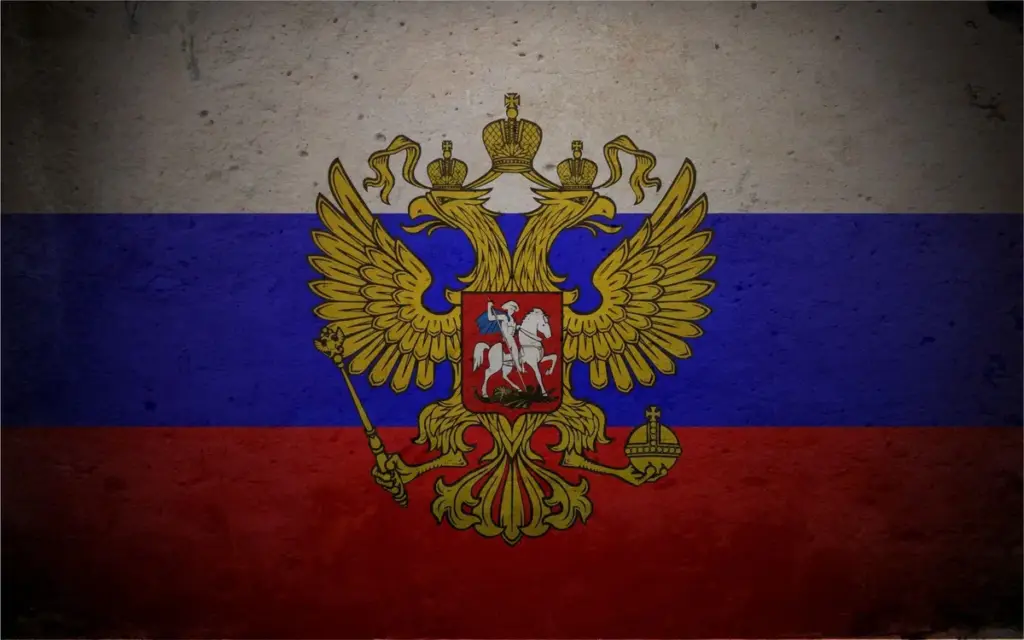
This article examines the evolving landscape of Russian sanctions and military operations, highlighting key developments and their implications.
Who is involved
In recent months, the geopolitical landscape surrounding Russian sanctions and military operations has shifted significantly. Prior to these developments, the expectation was that stringent sanctions imposed by the US and its allies would continue to pressure Russia economically and militarily. The sanctions were largely a response to Russia’s aggressive actions in Ukraine and its broader military ambitions.
However, a decisive moment occurred when the US Treasury Department announced steps to ease sanctions on Russian oil. This marked a notable departure from the previous hardline stance, as US President Donald Trump signalled further action to relax restrictions on sanctioned oil. The easing of sanctions comes amid rising crude prices influenced by various global factors, including the ongoing conflict in Iran.
As these sanctions are reconsidered, the direct effects on the parties involved are becoming evident. For instance, the easing of restrictions could potentially benefit the Russian economy by allowing for increased oil exports. Conversely, this shift may complicate the situation for Ukraine, which continues to face significant military threats from Russian forces. Just recently, Ukrainian forces struck Russian oil and energy infrastructure, indicating a continued commitment to countering Russian aggression.
In response to the ongoing conflict, France has also stepped up its support for Ukraine. Reports indicate that France will send the newest version of the SAMP/T NG anti-aircraft missile system for battlefield testing against Russian ballistic missiles. This development underscores the international community’s ongoing commitment to support Ukraine in its defense against Russian military operations.
On the ground, the situation within the Russian military appears to be evolving as well. A Russian milblogger claimed that some military units are forcing servicemembers to delete the messaging app Telegram, with reports of military police checking phones to ensure compliance. This suggests a growing concern within the Russian military regarding information security and communication among servicemembers.
In another significant development, Russian forces launched 97 drones against Ukraine, targeting various regions including Chernihiv, Sumy, and Kharkiv oblasts. This escalation in drone attacks highlights the ongoing intensity of military operations and the challenges faced by Ukrainian defense forces.
Experts suggest that the easing of sanctions could lead to a complex interplay of military and economic factors in the region. The potential for increased Russian oil exports may bolster the Russian economy, while the continued military support for Ukraine from Western nations could prolong the conflict. Details remain unconfirmed regarding the exact number of SAMP/T NG systems to be sent to Ukraine and the timeline for their delivery.
As the situation continues to evolve, the implications of these developments will be closely monitored by analysts and policymakers alike. The contrasting actions of easing sanctions and bolstering military support for Ukraine reflect the intricate balance of power in the region and the ongoing struggle for influence.