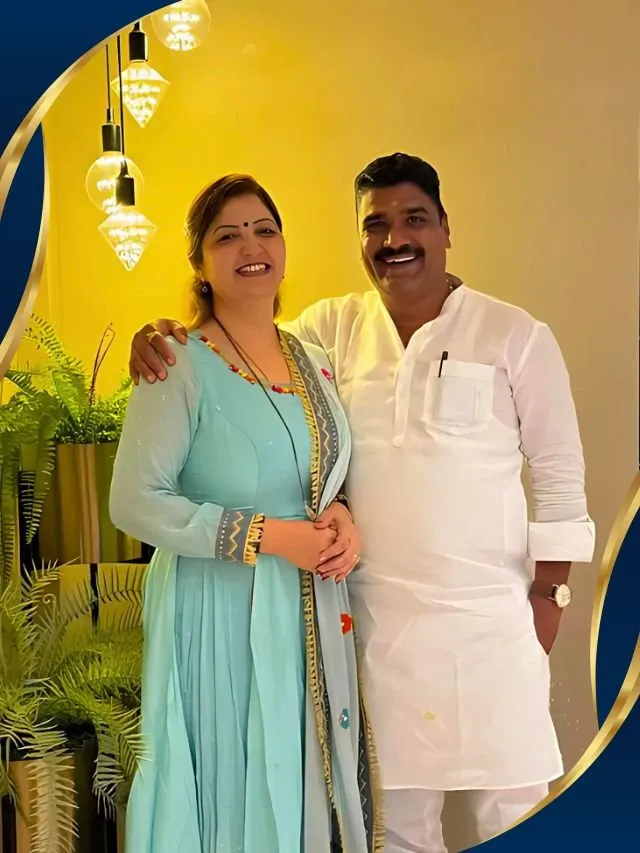
The Rupali Chakankar viral video incident has sparked significant controversy in Maharashtra, involving serious allegations against Ashok Kharat and political ramifications.
Who is involved
Before the recent developments surrounding the Rupali Chakankar viral video, the political landscape in Maharashtra was relatively stable, with established figures like Ashok Kharat enjoying a degree of political patronage. Kharat had operated in Nashik for nearly two decades, leveraging connections across party lines, which allowed him to maintain a strong influence in local governance. However, the expectations of continued political stability were shattered with the emergence of a shocking video that would change everything.
On March 20, 2026, the situation escalated dramatically when a video of Ashok Kharat went viral, showing him urinating into a glass and offering it to a woman. This incident not only drew public outrage but also led to Kharat’s arrest on serious charges including rape, molestation, and cheating. The immediate fallout was significant, as Chief Minister Devendra Fadnavis confirmed that eight cases had been registered against Kharat, marking a decisive shift in public perception and political dynamics.
Rupali Chakankar, who was a trustee of Kharat’s charitable trust, Shivanika, resigned from her position at the Maharashtra State Women’s Commission on the same day as the video went viral. Her resignation signifies the direct impact this incident had on individuals associated with Kharat, as public pressure mounted for accountability and transparency. Chakankar’s departure from the commission highlights the gravity of the situation and the demand for reform in the wake of such allegations.
The investigation into Kharat’s actions has been robust, with a Special Investigation Team (SIT) formed on March 13, 2026, to delve deeper into the case. Neeraj Jadhav, a former employee of Kharat, played a crucial role by recording over a hundred videos of alleged assaults and submitting them to the SIT. This evidence has been pivotal in substantiating the claims against Kharat, leading to a broader inquiry into his activities, including land deals and corporate connections.
Experts have weighed in on the implications of this case, noting that it reflects a larger issue of power dynamics and accountability in Maharashtra’s political landscape. Harshwardhan Sapkal, a prominent voice in the region, called for Chief Minister Fadnavis to take decisive action against those who have enabled Kharat’s alleged misconduct. The call for accountability resonates with many who believe that political figures should not be shielded from the consequences of their actions.
Furthermore, the case has sparked discussions about the treatment of women in politics and the need for systemic change. Raj Thackeray’s comments about the potential use of this matter to undermine political ambitions underscore the complexities of the situation, where personal and political motivations may intertwine. As the investigation continues, the public remains vigilant, demanding justice for the victims and transparency in the political process.
As of now, the investigation is ongoing, with the SIT looking into various aspects of Kharat’s operations, including corporate tie-ups and officer postings. The ramifications of this case extend beyond Kharat himself, affecting numerous individuals and organizations linked to him. The political landscape in Maharashtra is poised for further changes as the situation unfolds, and the demand for accountability grows stronger.
Details remain unconfirmed regarding the full extent of Kharat’s alleged activities and the implications for those involved. The Rupali Chakankar viral video incident has not only exposed serious allegations but has also ignited a broader conversation about ethics and accountability in politics, making it a pivotal moment in Maharashtra’s history.