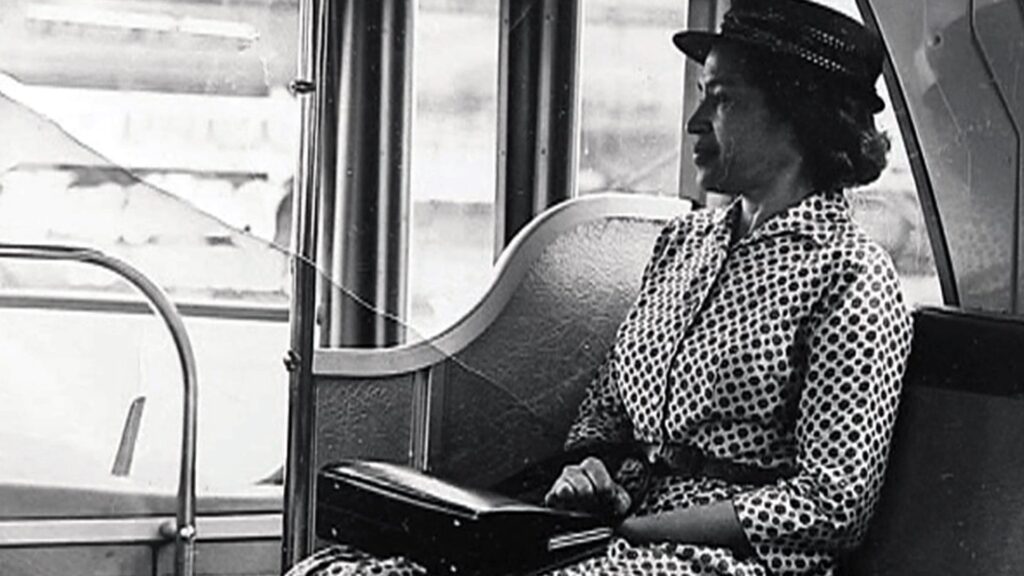
Introduction Rosa Parks, often referred to as the “Mother of the Civil Rights Movement,” is an iconic figure in American history. Her refusal to give up her seat to a white man on a segregated bus in Montgomery, Alabama, on December 1, 1955, sparked the Montgomery Bus Boycott and became a pivotal moment in the
Introduction
Rosa Parks, often referred to as the “Mother of the Civil Rights Movement,” is an iconic figure in American history. Her refusal to give up her seat to a white man on a segregated bus in Montgomery, Alabama, on December 1, 1955, sparked the Montgomery Bus Boycott and became a pivotal moment in the fight against racial segregation. Parks’ courage and activism have continued to inspire generations in their pursuit of equality and justice.
The Bus Boycott and Its Aftermath
Parks’ defiance was not an isolated incident; it was part of a larger resistance against the systemic racism that permeated American society. Following her arrest, African American leaders, including Martin Luther King Jr., organized the Montgomery Bus Boycott, which lasted for over a year. This significant event not only highlighted the injustice of segregation but also demonstrated the power of collective action. The boycott ultimately led to a Supreme Court ruling that declared segregation on public buses unconstitutional.
Legacy and Recognition
Rosa Parks’ legacy extends far beyond the bus boycott. She became an enduring symbol of the struggle for civil rights, participating in various civil rights activities throughout her life. In 1987, she co-founded the Rosa and Raymond Parks Institute for Self Development, focusing on youth leadership and community empowerment. Parks received numerous awards, including the NAACP’s Spingarn Medal and the Presidential Medal of Freedom. Her contributions have been recognized through various monuments and namesakes, solidifying her place in American history.
Conclusion
Rosa Parks’ act of courage and her lifelong commitment to civil rights continue to resonate today. As social justice movements gain momentum in the face of ongoing racial inequalities, her legacy serves as a reminder of the importance of standing up against injustice. Parks is more than a historical figure; she represents the ongoing fight for equality and the power of individual actions in promoting societal change. Future generations can look to her story as inspiration in the quest for a more just and equitable world.