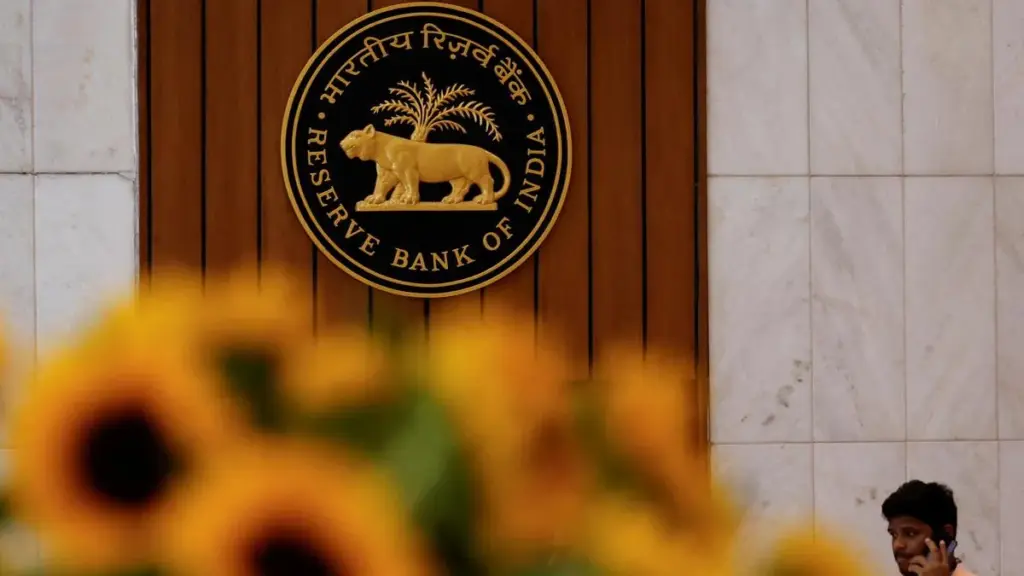
The RBI has extended the deadline for its new capital market exposure rules to July 1, 2026, responding to requests from banks and industry bodies.
Prior to the recent announcement, the Reserve Bank of India (RBI) had set a deadline of April 1, 2026, for the implementation of its new capital market exposure rules. These rules were designed to provide a framework for banks to finance acquisitions by Indian corporates, aiming to enhance stability and oversight within the financial sector.
However, the RBI received numerous requests from banks, capital market intermediaries, and industry bodies, seeking additional time and clarity on operational issues related to these new guidelines. In response to these concerns, the RBI decided to postpone the implementation by three months, moving the new deadline to July 1, 2026.
This decisive moment reflects the RBI’s willingness to engage with stakeholders and address their operational challenges. The amended guidelines, originally issued in February 2026, included specific provisions such as capping loans to individuals against eligible securities at ₹1 crore and limiting subscriptions to shares under IPO, FPO, or ESOP to ₹25 lakh per individual.
Moreover, the RBI clarified that acquisition finance may only be extended for acquiring control over non-financial target companies, and it can now be used for on-lending to a subsidiary for acquiring a target company. These changes indicate a more cautious approach by the RBI in regulating capital market activities.
The RBI’s decision to extend the deadline was underscored by a statement from the bank: “The Reserve Bank has since received representations from banks, CMIs, and various industry associations seeking an extension of the effective date, and also flagging certain operational and interpretational issues for clarification.” This highlights the importance of collaboration between the RBI and the financial sector.
In light of these developments, banks have also been directed to unwind large currency positions by April 10, 2026. This comes at a time when the rupee has hit a historic low of ₹94.81 against the dollar, having fallen four percent since the onset of the ongoing conflict, breaching key psychological levels in March 2026.
Experts suggest that the RBI’s adjustments are crucial for maintaining financial stability amid fluctuating market conditions. The extended timeline allows banks and financial institutions to better prepare for compliance with the new rules, potentially mitigating risks associated with rapid changes in the capital market.
As the financial landscape continues to evolve, the RBI’s proactive measures reflect its commitment to ensuring a robust regulatory framework that can adapt to the needs of the industry while safeguarding economic stability.
Details remain unconfirmed.