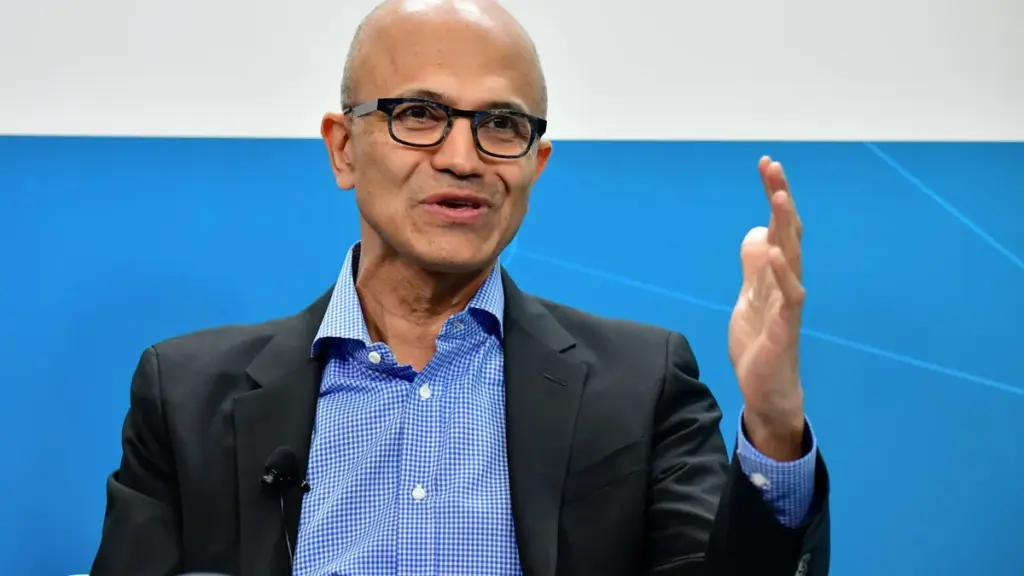
Rajesh Jha emphasizes that AI agents will require software licenses, potentially increasing the number of paying users even as human headcounts decline.
The rise of artificial intelligence (AI) is reshaping the landscape of software licensing, a trend highlighted by Rajesh Jha of Microsoft. He asserts that AI agents will necessitate software licenses, which could alleviate investor fears regarding job cuts that threaten traditional seat-based revenue models.
As companies increasingly deploy AI agents, the dynamics of software usage are changing. For instance, a company with 20 employees may currently purchase 20 Microsoft 365 licenses. However, if each employee is assigned five AI agents and the workforce is reduced to 10, the total number of paid seats could still reach 50.
Jha argues that the classic method of selling software—charging per user—remains viable despite the rise of AI. “All of those embodied agents are seat opportunities,” he stated, emphasizing that AI should not be viewed solely as a means to reduce human labor.
Investors have expressed concerns that AI could undermine the seat-based pricing model, which has long been the backbone of enterprise software. If AI agents are classified as users, companies may find themselves needing to pay for additional licenses, thereby maintaining or even increasing revenue despite fewer human employees.
The assumption that AI reduces the number of software users holds true only if users are defined strictly as humans. Jha’s perspective suggests that the integration of AI could redefine user metrics, potentially leading to a more complex but stable revenue model.
For those worried about the implications of AI on jobs and the tech landscape, Microsoft’s message is reassuring: “For anyone worried about jobs or tech changing the game, the business model is safe (for now).” This statement reflects a broader confidence in the adaptability of software economics in the face of technological advancements.
The ongoing conversation about AI’s role in software licensing could significantly influence the next decade of software economics. As companies navigate this new terrain, the outcomes of these discussions will be crucial in determining how software is sold and consumed.
Details remain unconfirmed regarding how these changes will fully manifest in the marketplace, but the implications for businesses and investors are profound. As the industry evolves, stakeholders will need to stay informed about the developments in AI and its impact on software licensing.