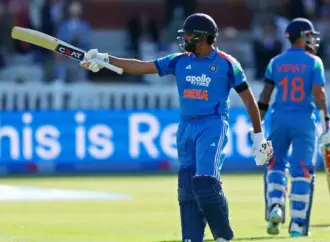
Blessing Muzarabani has been banned from the PSL for two years, impacting the dynamics between leagues and player commitments.
The Pakistan Super League (PSL) has gained immense popularity since its inception, becoming a key player in the world of T20 cricket. However, the league now faces challenges due to its overlap with another prominent tournament—the Indian Premier League (IPL). Since last year, both leagues have been held almost simultaneously, creating a conflict that complicates player participation. This situation has led to significant repercussions, especially for international players.
Recently, Blessing Muzarabani, a talented cricketer from Zimbabwe, found himself at the center of this controversy. He was banned from the PSL for two years after making a controversial switch from Islamabad United to Kolkata Knight Riders. The Pakistan Cricket Board (PCB) expressed their disappointment clearly: “Despite a clear offer and an unequivocal acceptance of essential terms, the player chose to disregard these obligations in favour of a conflicting arrangement.” This statement underscores the importance of commitment in professional sports.
But why does this matter so much? The ban not only affects Muzarabani’s career but also highlights broader issues regarding player loyalty and league rivalries. In recent years, we have seen other players face similar dilemmas. For instance, Corbin Bosch was banned for one year after opting for Mumbai Indians over Peshawar Zalmi. Such decisions can lead to long-term consequences for players and teams alike.
Historically, Pakistani cricketers have not participated in the IPL since 2008 due to geopolitical tensions—a fact that adds another layer of complexity to this situation. Back then, 12 players were selected by five franchises, marking a time when Pakistani talent was highly sought after in Indian cricket. Now, with national pride at stake and opportunities limited, players are torn between lucrative offers from foreign leagues and their commitments back home.
That context matters because it shapes how players view their careers. Wahab Riaz, a prominent figure in Pakistani cricket, recently advocated for a women’s T20 league modeled after the PSL. He emphasized that while talent exists among female players, they lack experience against stronger teams—an issue that could be exacerbated if top players continue to choose foreign leagues over domestic commitments.
Riaz’s comments reflect a growing awareness of the need for exposure and competitive experience within Pakistan’s cricketing structure. As he stated: “The PSL has been a big success for us… they lack the experience and exposure of playing against stronger teams and players.” This sentiment resonates deeply as it suggests that development programs must adapt to retain emerging talent while also encouraging participation in local leagues.
Looking ahead, observers are keenly watching how these developments will unfold. The Zimbabwe women’s team is scheduled to tour Pakistan from April 29 to May 15, 2026, which could present an opportunity for local female cricketers to gain valuable experience on home soil. Meanwhile, as leagues like the IPL continue to attract international stars, it is crucial for organizations like the PCB to find ways to keep their own talent engaged and committed.
In conclusion—while Blessing Muzarabani’s ban is significant on its own terms—it serves as a reminder of the larger dynamics at play within international cricket. As leagues compete for top talent amid geopolitical complexities, ensuring player loyalty may become even more challenging.