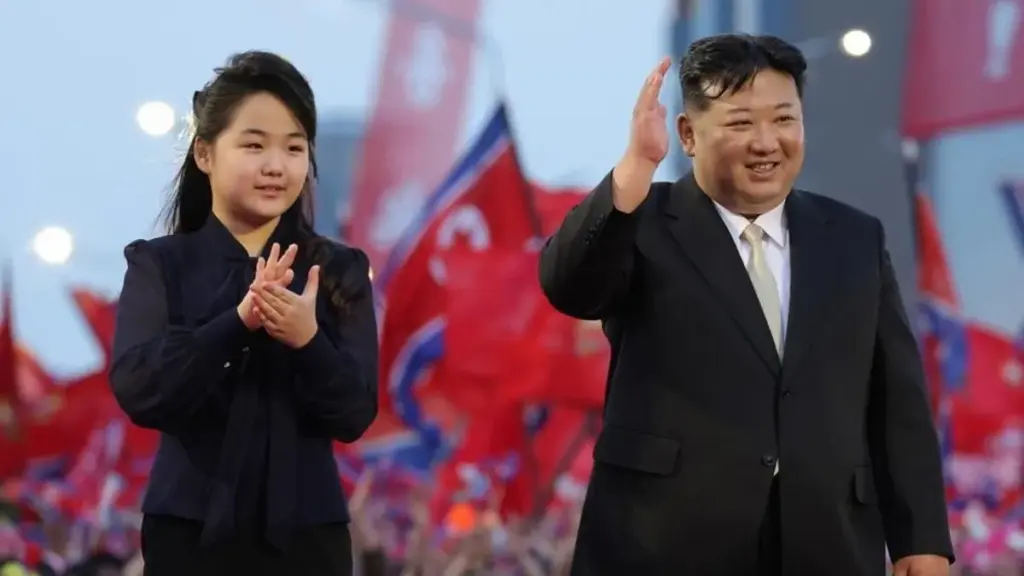
In the 2026 North Korea elections, Kim Jong Un achieved an overwhelming majority, but dissenting votes were acknowledged for the first time since 1957.
How it unfolded
As North Korea approached its parliamentary elections on March 15, 2026, the political atmosphere was charged with anticipation. The elections were particularly significant as they marked a pivotal moment in the country’s political history, especially given the longstanding tradition of tightly controlled electoral processes. Kim Jong Un, who has been in power since 2011 following the death of his father, Kim Jong Il, was expected to maintain his grip on power through the elections.
On the day of the elections, voter turnout was reported at an astonishing 99.99%, reflecting the regime’s emphasis on participation. However, the elections were characterized by a lack of genuine choice, as candidates were pre-selected by the ruling Workers’ Party of Korea, leaving voters with a binary choice. This system has been a hallmark of North Korean elections, where dissent is rarely tolerated.
When the results were announced, Kim Jong Un scored an overwhelming 99.93% of the votes, a figure that underscores the regime’s control over the electoral process. Notably, this election marked the first time since 1957 that dissenting votes were acknowledged, with 0.07% of voters rejecting the official candidates. This small percentage of dissenting votes is significant, as it indicates a potential shift in the political landscape, albeit within the confines of a highly controlled system.
In addition to the dissenting votes, it was reported that 0.0037% of registered voters were unable to vote due to being abroad or at sea, while an almost negligible 0.00003% abstained from voting altogether. These statistics highlight the regime’s efforts to ensure maximum participation, even if the choices presented to voters are limited.
The Supreme People’s Assembly, which consists of 687 representatives, plays a crucial role in North Korean governance, but its function is largely ceremonial. The assembly’s members are primarily loyalists to Kim Jong Un and the Workers’ Party of Korea, reinforcing the notion that the elections serve more as a tool for legitimizing the regime rather than a genuine democratic process.
As the dust settles from the 2026 elections, the implications of the results are still being analyzed. While Kim Jong Un’s overwhelming victory reinforces his authority, the acknowledgment of dissenting votes could suggest a subtle shift in the political dynamics within the country. Observers are left to ponder whether this will lead to any meaningful changes in governance or if it is merely a symbolic gesture to quell any potential unrest.
In summary, the 2026 North Korea elections have underscored the complexities of the country’s political landscape. While Kim Jong Un remains firmly in control, the recognition of dissenting voices, however minimal, may indicate a slow evolution in the political discourse of North Korea. As the regime continues to navigate its internal and external challenges, the significance of these elections will likely resonate in the years to come.