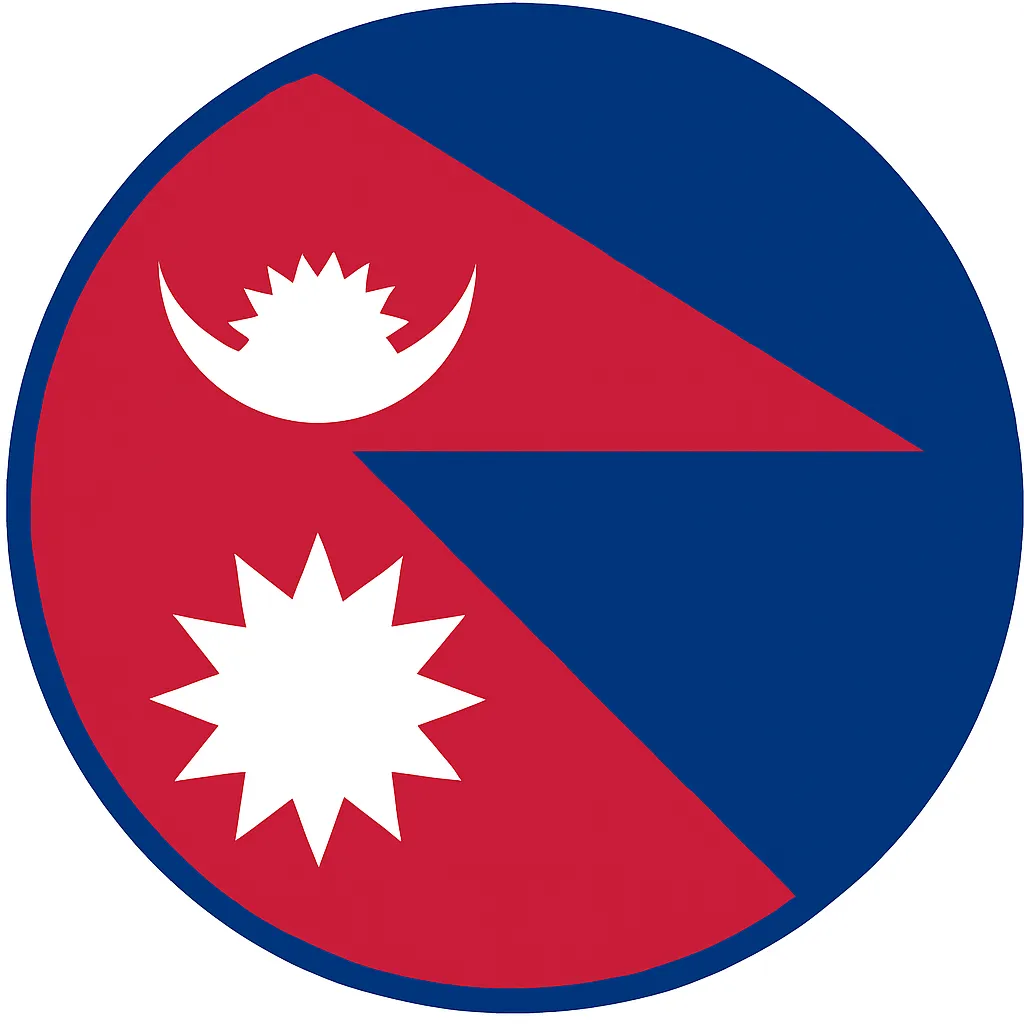
Nepal held its nationwide election for the House of Representatives on March 5, 2026, marking a pivotal moment in its political landscape.
Nepal’s Nationwide Election Results Announced
Nepal’s nationwide election for the House of Representatives took place on March 5, 2026, marking a significant moment in the country’s political landscape. This election is the first national vote since the resignation of Prime Minister KP Sharma Oli, which followed widespread youth-led protests demanding change.
Polling stations were open from 07:00 to 17:00 GMT, with approximately 19 million Nepalis eligible to vote, including around 800,000 first-time voters. The Election Commission has announced plans to release results for 165 first-past-the-post seats within 24 hours after polls close, while 110 seats will be decided by proportional representation.
Preliminary reports indicate an estimated voter turnout of 60%, reflecting a strong engagement from the electorate. Luniva, a first-time voter, expressed her motivation to participate, stating, “I came to vote mainly because of the protest and so many people gave their lives in the hope of a change, in hope of seeing a better Nepal.”
The election aims to establish a fully elected legislature and replace the interim government that was formed following the protests in September 2025. This political shift is seen as crucial for restoring stability and addressing the demands of the populace.
As the results begin to trickle in, Balendra Shah, a prominent political figure, remarked, “Because of you, democracy has won today.” His statement underscores the significance of this election in the context of Nepal’s ongoing democratic journey.
Details remain unconfirmed as the counting process continues, but the atmosphere is charged with anticipation as citizens await the outcome of their votes. The election features a mixed electoral system, combining both first-past-the-post and proportional representation, which is designed to reflect the diverse political landscape of Nepal.
This election is not just a procedural event; it symbolizes a turning point for many Nepalis who have long sought a government that truly represents their voices. The coming days will be critical as the nation processes the results and considers the implications for its future governance.