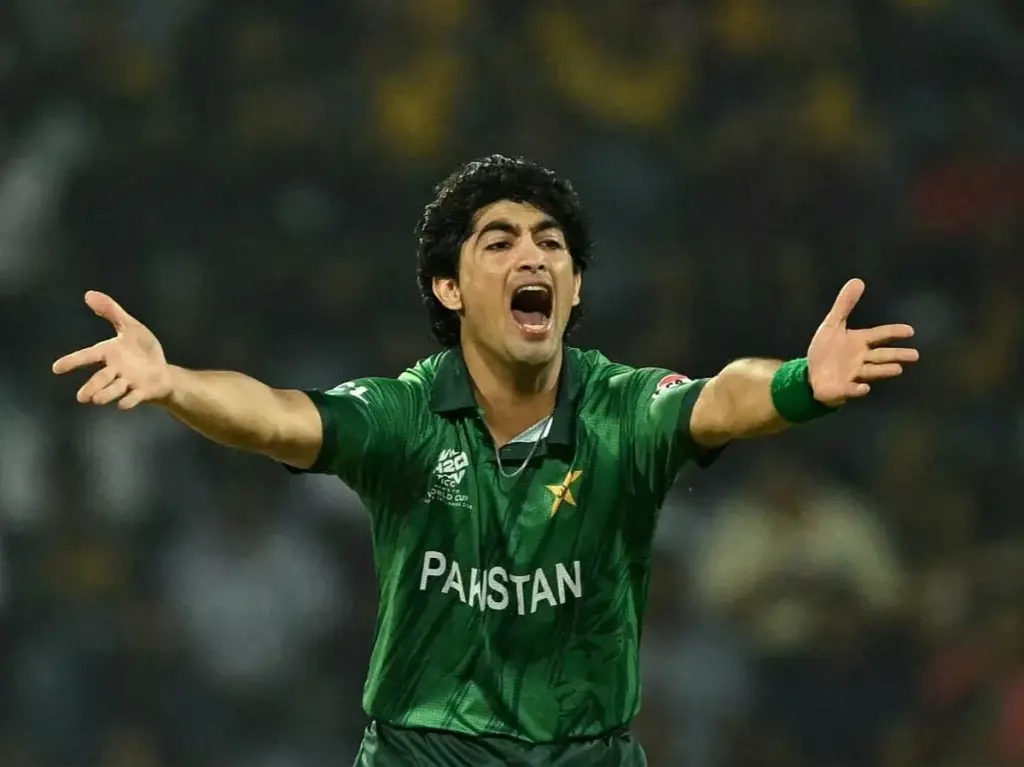
Naseem Shah, the cricketer, has found himself in hot water due to a controversial social media post. This incident has sparked significant debate within the cricket community.
What the data shows
The recent controversy surrounding Naseem Shah, the cricketer, raises a pressing question: how far can social media posts impact a player’s career? In Shah’s case, the answer is stark, as he was fined PKR 20 million by the Pakistan Cricket Board (PCB) for a sarcastic remark made about Punjab Chief Minister Maryam Nawaz. This fine is not only significant but also marks the largest penalty in Pakistan’s cricket history.
The incident unfolded during the opening match of the Pakistan Super League on March 27, 2026, when Naseem Shah made a post that was deemed politically charged. Following the backlash, he deleted the post and claimed that his account had been hacked. However, the PCB’s response was swift and severe, leading to the hefty fine and the blacklisting of his social media manager.
Younis Khan, a former cricketer, criticized the PCB’s decision, arguing that the board could have opted for a lesser penalty, especially after Shah apologized and distanced himself from the post. Khan stated, “Once Naseem (Shah) had apologized for the tweet and also made it clear his social media manager was behind it and he had fired him, now the board could have let Naseem off with a warning and much lesser fine.” This sentiment reflects a growing concern regarding the treatment of players by governing bodies.
Adding to the complexity, Basit Ali, another cricket figure, revealed that there were discussions about a potential two-year ban for Shah, which indicates the severity with which the PCB viewed the incident. “Naseem Shah is very lucky. Let me tell you the inside news. He was to be banned for two years; the committee had recommended it,” Ali remarked. This highlights the precarious position players find themselves in when navigating the intersection of sports and politics.
In response to the incident, the PCB has issued fresh guidelines prohibiting players from making political posts on social media. This move underscores the governing body’s commitment to maintaining a clear boundary between sports and political discourse, especially in a country where cricket is closely intertwined with national identity.
Despite the controversy, Naseem Shah’s performance on the field remains noteworthy. He has taken 152 wickets for Pakistan across all formats, showcasing his talent and potential as a cricketer. However, the question remains: how will this incident affect his career moving forward? With the PCB’s new regulations in place, players may need to tread carefully in their online expressions.
As the dust settles on this incident, the cricket community is left to ponder the implications of social media on athletes. While Naseem Shah has faced significant repercussions, the broader conversation about player autonomy and the role of governing bodies in regulating personal expression continues. Details remain unconfirmed regarding any further actions the PCB may take or how this will influence Shah’s future in cricket.