Introduction Myanmar, a Southeast Asian nation known for its rich history and cultural diversity, has recently faced significant political turmoil. The ongoing conflict following the military coup in February 2021 has led to widespread protests, international sanctions, and a humanitarian crisis. Understanding the current situation in Myanmar is crucial for grasping the future implications for
Introduction
Myanmar, a Southeast Asian nation known for its rich history and cultural diversity, has recently faced significant political turmoil. The ongoing conflict following the military coup in February 2021 has led to widespread protests, international sanctions, and a humanitarian crisis. Understanding the current situation in Myanmar is crucial for grasping the future implications for its people and the region.
The Political Landscape
Since the military coup that ousted the democratically elected government led by Aung San Suu Kyi, Myanmar has been engulfed in unrest. The military, known as the Tatmadaw, has suppressed dissent through violent crackdowns resulting in thousands of civilian deaths. The National Unity Government (NUG), formed by ousted lawmakers and activists, has declared a parallel government, seeking international recognition and support.
International Response
The international response to the situation in Myanmar has varied. Many nations have condemned the coup, leading to sanctions against military leaders and their businesses. However, some ASEAN member states have opted for a non-interference approach, complicating regional efforts to mediate. The United Nations continues to voice concern, urging a return to democracy but facing limitations in mobilizing effective action.
Humanitarian Crisis
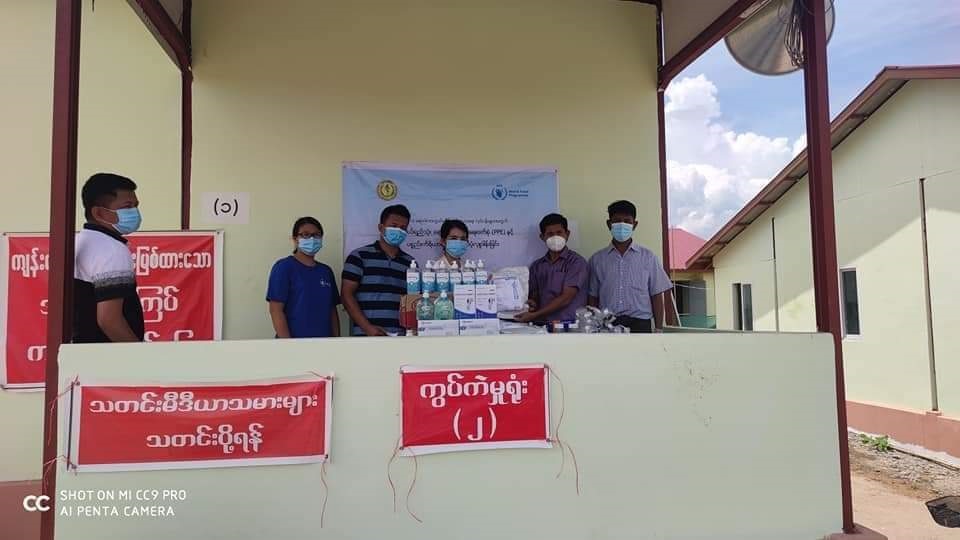
The political turmoil has triggered a severe humanitarian crisis, with millions displaced and in need of assistance. According to the United Nations, over 1.5 million people have been internally displaced since the coup. Essential services, including healthcare and education, are severely hampered, exacerbating the already dire situation for vulnerable populations, particularly children and the elderly.
Conclusion
The future of Myanmar remains uncertain as the military junta continues to cling to power amid ongoing resistance from the population. As the international community grapples with its approach, the need for humanitarian support and dialogue becomes increasingly critical. Addressing the root causes of the conflict and working towards a peaceful resolution will be paramount for restoring stability and dignity to the lives of the people in Myanmar. Observers predict that without significant intervention and a commitment to a democratic transition, the challenges facing Myanmar will continue to deepen, affecting not only its citizens but also neighboring countries in the region.