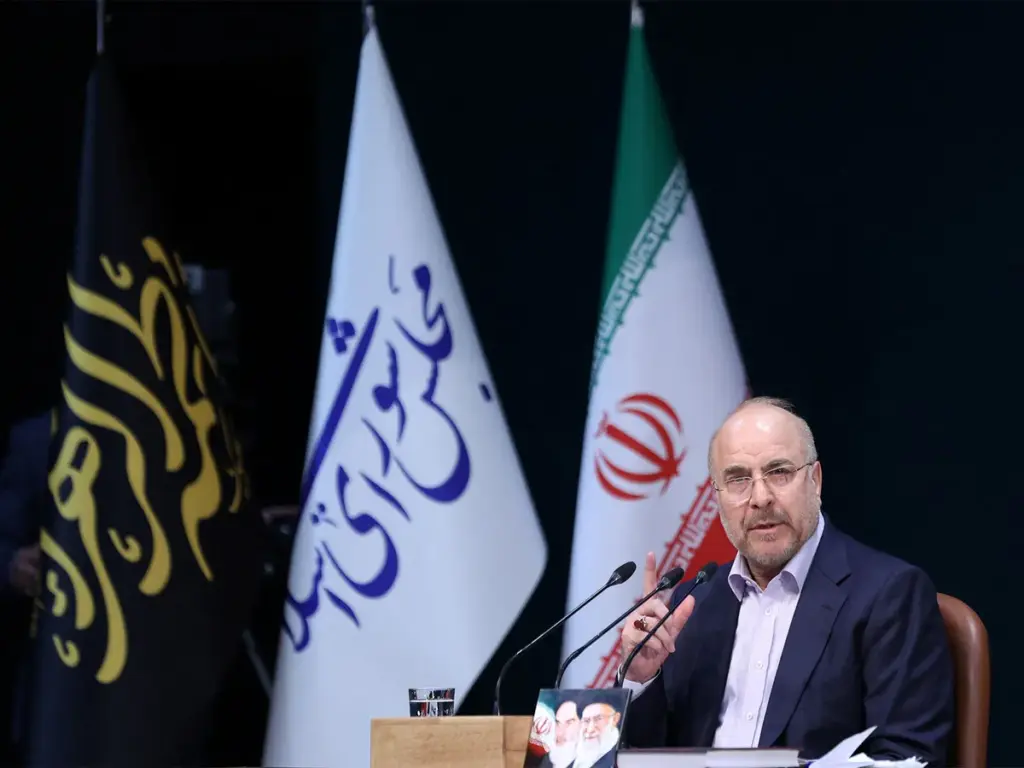
Iran’s Parliament Speaker Mohammad Bagher Ghalibaf has issued a stern warning regarding potential US military actions, emphasizing a strong retaliation.
Reaction from the field
The recent statements from Iranian Parliament Speaker Mohammad Bagher Ghalibaf have heightened tensions in the region, particularly concerning the potential for US military action in Iran. Ghalibaf condemned what he termed the enemy’s aggression, asserting that any ground invasion by the US would be met with a “relentless” and “decisive” response. This declaration underscores the seriousness with which Iranian officials view the prospect of direct military engagement.
Ghalibaf’s remarks come amid accusations that the US is using diplomatic overtures as a guise for secret invasion plans. He emphasized that Iranian forces are “waiting” for any US soldiers attempting a ground entry, indicating a readiness to respond to perceived threats. This stance marks a significant escalation in rhetoric, as Ghalibaf declared that Tehran would no longer distinguish between US and Israeli actions, suggesting a unified approach to perceived aggressions from both nations.
In a striking quote, Ghalibaf stated, “If they hit one, they’ll take several back,” illustrating Iran’s commitment to retaliate forcefully against any military actions taken by the US. This statement reflects a broader sentiment within Iranian leadership that any attack would not go unanswered, potentially leading to a cycle of escalation in military confrontations.
The geopolitical landscape surrounding Iran is particularly fraught, especially in the strategically vital Strait of Hormuz, where tensions have historically been high. The situation in this region is unlikely to return to its pre-war status, as ongoing conflicts and military posturing continue to shape the dynamics of power in the Middle East.
In a separate but related development, Nabil Gabol, a Pakistani politician, has publicly distanced himself from the notorious figure Dawood Ibrahim, stating, “I have never met him, nor do I know if he lives in Karachi.” This statement comes amidst ongoing discussions about regional security and the implications of criminal networks on international relations.
Additionally, JICA President Tanaka Akihiko recently met with GEAPP CEO Woochong Um at JICA headquarters in Tokyo, expressing hope for future collaboration across various sectors. This meeting highlights the ongoing diplomatic efforts in the region, even as military tensions rise.
As the situation evolves, the international community watches closely. The potential for conflict remains high, and details regarding the US’s military intentions are still unfolding. Uncertainties linger about how Iran will navigate these threats and what the implications will be for regional stability.
Details remain unconfirmed regarding the exact nature of US plans and Iran’s subsequent actions, but the stakes are undeniably high as both nations prepare for possible confrontations.