Introduction Mark Rutte, the Prime Minister of the Netherlands since 2010, has been a pivotal figure in Dutch politics and Europe as a whole. His long tenure has seen him navigate numerous challenges, from economic crises to the recent global pandemic. Understanding his approach and the implications of his policies is essential not only for
Introduction
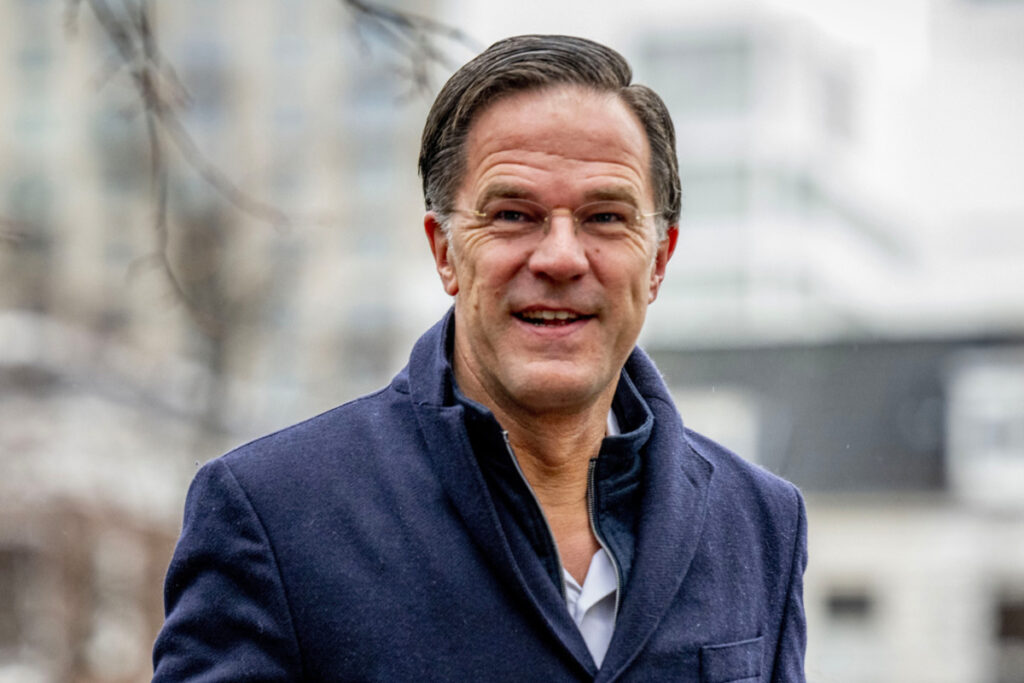
Mark Rutte, the Prime Minister of the Netherlands since 2010, has been a pivotal figure in Dutch politics and Europe as a whole. His long tenure has seen him navigate numerous challenges, from economic crises to the recent global pandemic. Understanding his approach and the implications of his policies is essential not only for Dutch citizens but for stakeholders across the globe who are impacted by European politics.
Political Background and Achievements
Rutte, born on February 14, 1967, in The Hague, has served as the leader of the People’s Party for Freedom and Democracy (VVD). His government has focused on various issues, including tax reforms, economic liberalization, and managing immigration. Rutte’s cabinet was notably the first to resign in January 2021 over a childcare benefits scandal, resulting in a government crisis that led to several months of negotiations before a new coalition was formed.
Recent Developments
As of 2023, Rutte has announced his intention to step down after completing his current parliamentary term, marking a significant transition in Dutch politics. This announcement comes amidst ongoing debates regarding climate change, social welfare reforms, and the Netherlands’ role in international relations. His decision not to seek re-election has sparked discussions on who will succeed him and how this will impact policies moving forward.
In the realms of foreign policy, Rutte has been an advocate for a unified European stance on issues like Ukraine’s security and refugee policies, emphasizing cooperation amidst rising Euro-skeptic sentiments in parts of Europe. His leadership has seen an emphasis on balancing national interests with the broader goals of the EU, a perspective shared by many leaders in Europe.
Conclusion
The legacy of Mark Rutte in the Dutch political landscape is marked by his pragmatic approach to governance and his ability to lead through turbulent times. As he prepares to hand over the reins, the focus will shift to his successor and the future direction of both domestic policy and international relations in the Netherlands. For voters and political analysts alike, understanding Rutte’s decisions will be crucial in anticipating the next steps in Dutch politics, particularly as the country faces new challenges and opportunities ahead.