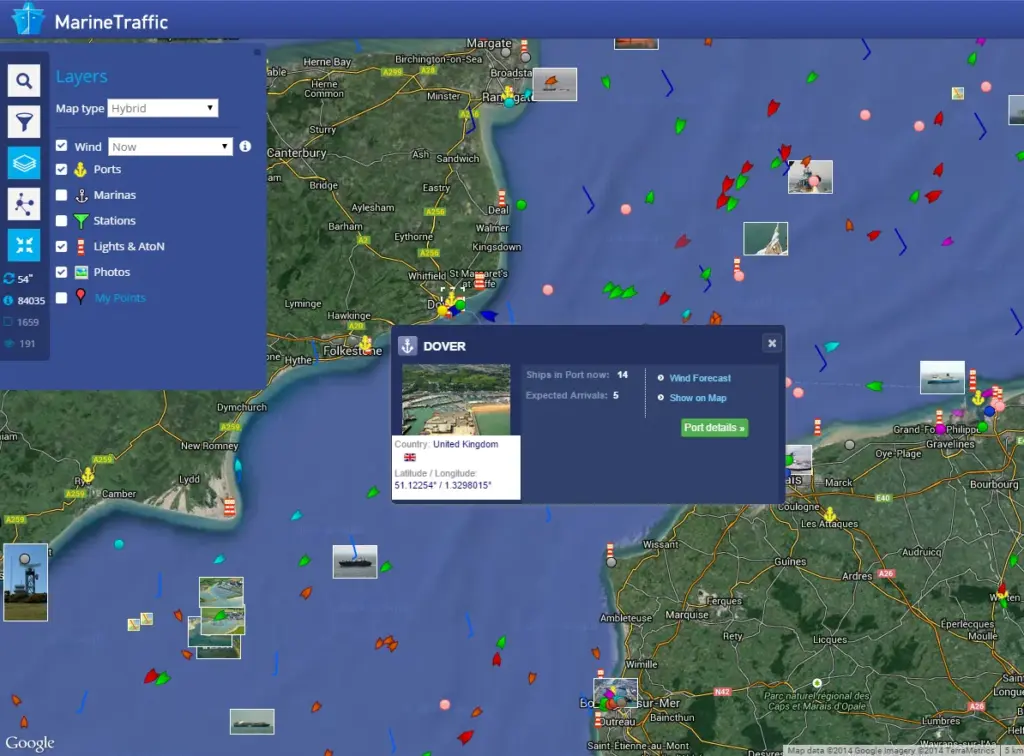
The Aframax tanker Karachi has become the first non-Iranian vessel to transit the Strait of Hormuz while broadcasting its AIS signal, marking a significant moment in marine traffic amid regional tensions.
The recent transit of the Aframax tanker Karachi through the Strait of Hormuz has marked a significant moment in marine traffic, as it is the first non-Iranian cargo to navigate this critical chokepoint while broadcasting its Automatic Identification System (AIS) signal. This development comes amid heightened tensions in the region, with ongoing conflicts impacting shipping routes.
The Karachi, which is 237 metres long and has a draft of 11.5 metres, was carrying Abu Dhabi’s Das crude when it entered Iranian waters on March 11, 2026. Following its passage through the strait, the tanker was reported to be sailing in the Gulf of Oman at a speed of approximately 9.6 knots.
This transit is particularly noteworthy as it follows weeks of significantly reduced traffic through the strategic waterway, which normally facilitates about one-fifth of global oil production and liquefied natural gas exports. Since the onset of conflict on February 28, 2026, a total of 77 ships have passed through the Strait of Hormuz.
However, the region has seen increased risks for commercial shipping, with 20 vessels, including nine tankers, reportedly attacked or involved in incidents since March 1, 2026. This escalation raises concerns about the safety of maritime operations in the area.
Marine Traffic noted that the successful transit of the Karachi suggests that select shipments may be receiving negotiated safe passage, potentially altering the dynamics of marine traffic in the region. This could indicate a shift in how shipping companies approach the risks associated with transiting through the Strait of Hormuz.
As the situation evolves, the implications for marine traffic and regional stability remain uncertain. Details remain unconfirmed regarding the long-term effects of this transit on shipping operations and the broader geopolitical landscape.