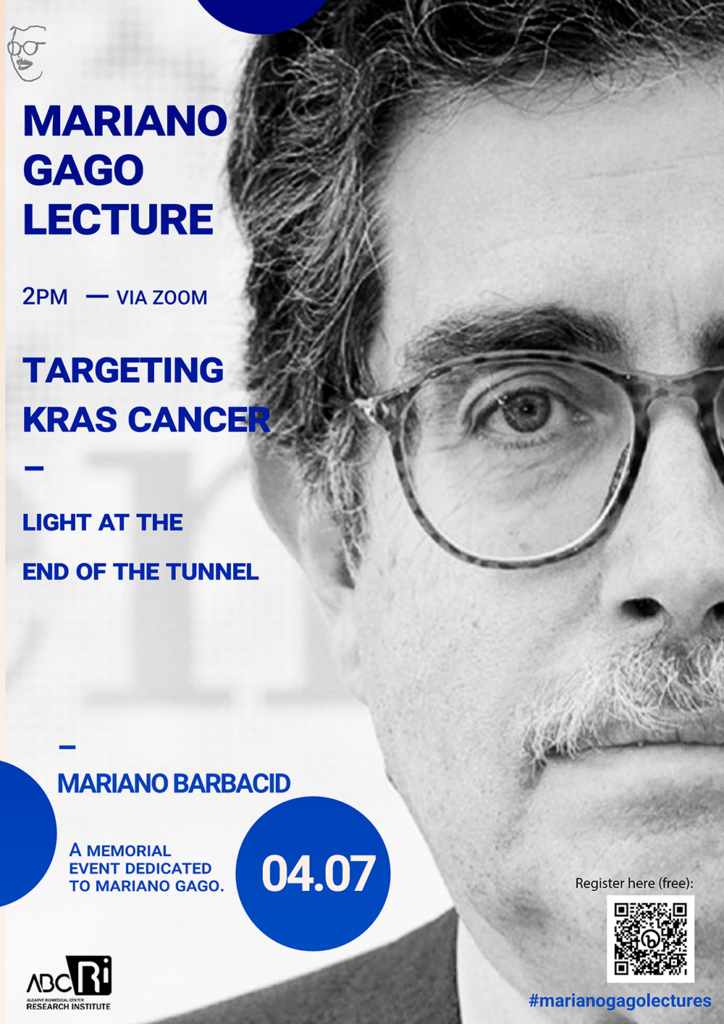
Introduction Mariano Barbacid is a prominent Spanish scientist recognized for his pivotal role in cancer research. His groundbreaking work in the identification of oncogenes has greatly advanced our understanding of cancer development and has paved the way for innovative therapeutic strategies. In recent years, Barbacid’s contributions have gained renewed attention as cancer research continues to
Introduction
Mariano Barbacid is a prominent Spanish scientist recognized for his pivotal role in cancer research. His groundbreaking work in the identification of oncogenes has greatly advanced our understanding of cancer development and has paved the way for innovative therapeutic strategies. In recent years, Barbacid’s contributions have gained renewed attention as cancer research continues to evolve rapidly, highlighting the importance of ongoing investment in scientific discovery.
Key Contributions
Mariano Barbacid made a significant breakthrough in the early 1980s when he discovered the first human oncogene, known as RAS. This gene family plays a crucial role in cell division and growth, and mutations in RAS are implicated in many types of cancer, including pancreatic, lung, and colorectal cancers. Barbacid’s research has shed light on the molecular mechanisms underlying tumorigenesis, marking him as a cornerstone figure in the field of molecular oncology.
Over the years, Barbacid has held various prestigious positions, including the director of the National Cancer Research Center (CNIO) in Spain, where he has continued to foster the growth of cancer research programs. Under his leadership, CNIO has become a leading institution, attracting international talent and funding, and contributing significantly to both basic and translational research.
Recent Developments
In 2022, Barbacid was awarded the prestigious ‘AstraZeneca Prize for Research’ for his contributions to the understanding and treatment of cancer. This accolade is a testament to his lifelong commitment to unraveling the complexities of cancer biology. Furthermore, his recent studies focused on targeting mutant RAS proteins have shown promise in developing new therapeutic approaches that could enhance the effectiveness of existing cancer treatments.
Conclusion
Mariano Barbacid’s contributions to cancer research remain tremendously significant in the fight against cancer. His pioneering work has not only improved our understanding of carcinogenesis but has also aided in the development of targeted therapies that provide hope for patients worldwide. As research continues, the legacy of Barbacid’s discoveries will likely influence future treatment paradigms and inspire new generations of scientists dedicated to the pursuit of cures for cancer.