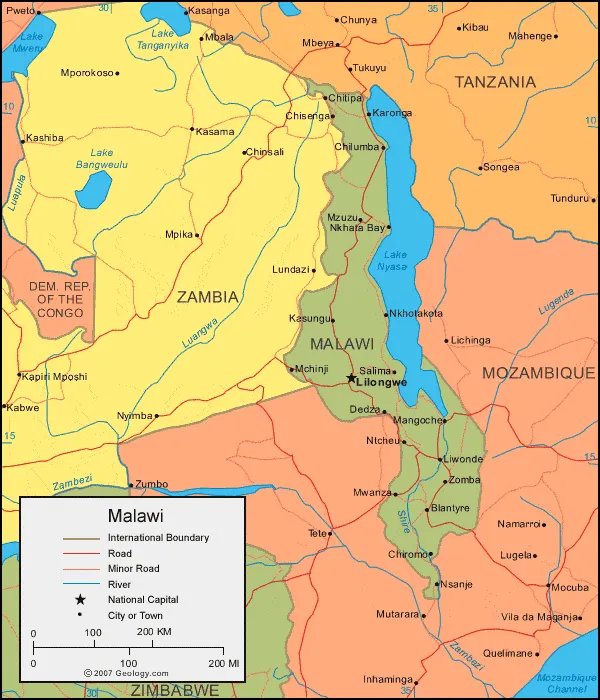
Malawi is addressing significant health and food security challenges, particularly in HIV treatment and the impact of drought. Recent support from India highlights these issues.
Malawi’s Health and Food Security Challenges
Malawi, a landlocked country in southeastern Africa, is grappling with pressing health and food security issues. Approximately 7% of its population lives with HIV, a statistic that underscores the country’s ongoing battle against this epidemic. In a significant achievement, Malawi is one of the few nations to meet the United Nations’ 95-95-95 targets for HIV treatment, which aim for 95% of people living with HIV to be diagnosed, 95% of those diagnosed to receive sustained antiretroviral therapy, and 95% of those receiving therapy to have viral suppression.
To bolster its healthcare system, Malawi implemented an electronic medical record system across 106 HIV clinics between 2007 and 2019. This initiative, funded by the government with support from international donors, has proven effective in reducing annual patient deaths by an estimated 28% five years after its adoption. The cost for an average clinic to implement this system was approximately US$34,050, with the estimated cost per life saved being US$448. Notably, the number of children under the age of 10 dying from HIV/AIDS fell by 44% within five years of the electronic medical record system’s implementation.
Impact of Drought and International Support
In addition to health challenges, Malawi is facing food security issues exacerbated by drought conditions attributed to the El Niño effect. In response, India recently dispatched a consignment of 1,000 metric tonnes of rice to Malawi, aimed at supporting the country’s food security efforts. This assistance highlights the international community’s role in addressing Malawi’s pressing needs, particularly in times of crisis.
Malawi’s economy is heavily dependent on subsistence farming, making it vulnerable to climate-related disruptions. The combination of health and agricultural challenges poses significant risks to the population, particularly for those living with HIV, who may already be facing additional health complications.
Looking Ahead
As Malawi continues to navigate these complex issues, observers are closely monitoring the effectiveness of the electronic medical record system in further reducing HIV-related deaths and improving overall health outcomes. Additionally, the impact of international aid, such as the recent rice shipment from India, will be crucial in determining how well Malawi can mitigate the effects of drought on food security.
While the strides made in HIV treatment are commendable, the ongoing challenges of food insecurity and the health impacts of climate change remain critical areas for intervention. Details remain unconfirmed regarding the long-term sustainability of these health initiatives and the effectiveness of international support in addressing food shortages.