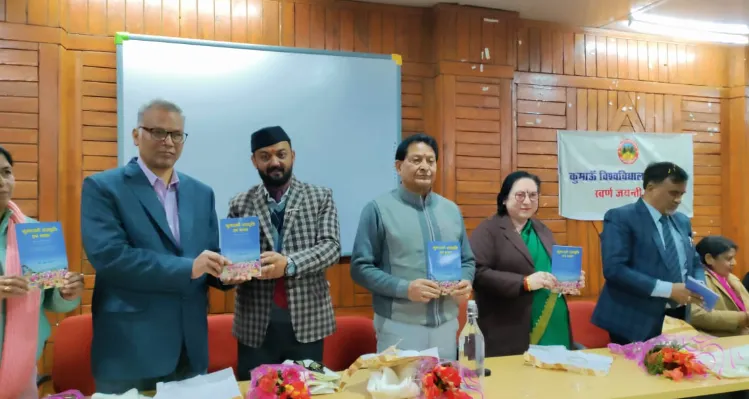
Kumaun University has introduced a comprehensive faculty evaluation system, alongside the appointment of Nandan Singh Bisht as deputy controller of examinations.
Kumaun University has made significant strides in its academic governance with the recent appointment of Nandan Singh Bisht as the deputy controller of examinations on March 24, 2026. This development comes alongside the university’s approval of a comprehensive faculty evaluation system designed to enhance academic excellence and accountability.
The newly implemented faculty evaluation system operates on a 100-point scale. Under this system, faculty members who score below 60 percent will face consequences, including the withholding of salary increases and potential compulsory retirement. In contrast, those who achieve scores above 75 percent will be recognized with a certificate of appreciation.
In addition to the evaluation scores, each faculty member is now required to present at least one paper at a national or international conference, ensuring that they remain engaged in the broader academic community. The university has also set stricter criteria for higher research degrees, such as D Sc. and DLitt, requiring a minimum of 12 years of experience.
During a recent meeting, the university administration also approved the promotion of seven teachers under the Career Advancement Scheme, reflecting a commitment to rewarding academic contributions. These decisions collectively represent an important initiative toward strengthening academic excellence, as noted by Diwan Singh Rawat, who stated, “These decisions taken as a whole, represent an important initiative toward strengthening academic excellence, research quality, transparency and accountability at the university.”
The changes at Kumaun University are part of a broader effort to improve the quality of education in Uttarakhand, a state characterized by its multiethnic population, including significant numbers of Scheduled Castes and Scheduled Tribes. The university’s focus on transparency and accountability is expected to foster a more rigorous academic environment.
As these developments unfold, the university community and stakeholders are keenly observing the impact of these new policies on faculty performance and student outcomes. The administration’s commitment to enhancing research quality and academic standards is a promising step forward for the institution.