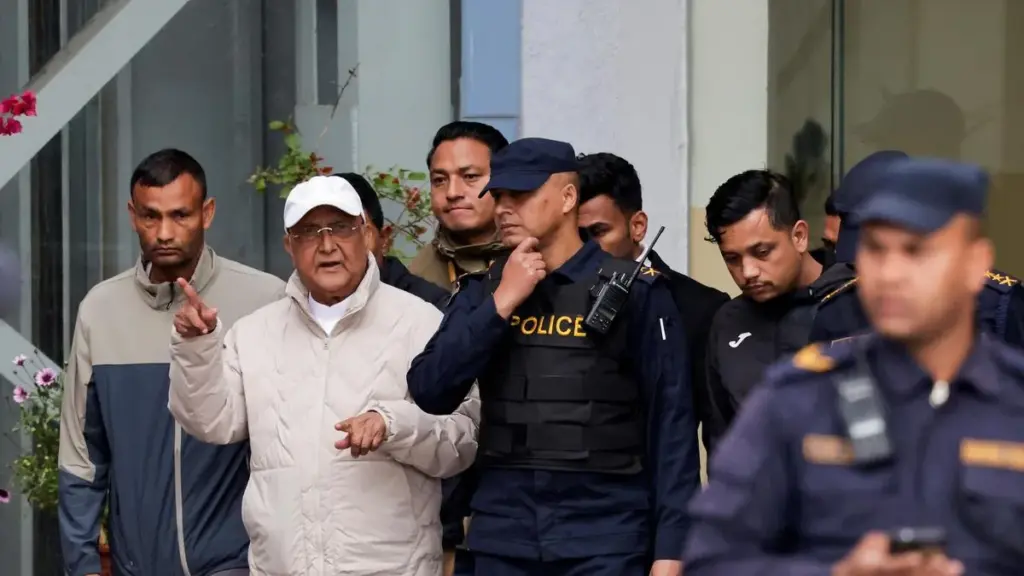
K.P. Sharma Oli has been arrested on culpable homicide charges related to the Gen Z protests, which resulted in significant loss of life.
The wider picture
The Gen Z protests in Nepal were ignited by widespread discontent over economic hardship and governance issues that have plagued the country for years. In September 2025, these protests escalated into a significant movement, resulting in the tragic loss of 76 lives, including at least 19 individuals killed during police firing on September 8. This unrest highlighted the urgent demands of the youth for accountability and clean governance, setting the stage for a major political shift in the country.
On March 28, 2026, K.P. Sharma Oli, the former Prime Minister and leader of the Communist Party of Nepal (Unified Marxist–Leninist), was arrested from his residence in Gundu, Bhaktapur. His arrest came just a day after the new government led by Balendra Shah was sworn in, marking a pivotal moment in Nepal’s political landscape. The charges against Oli include culpable homicide related to the violent events of the Gen Z protests, a development that has sent shockwaves through the political arena.
In addition to Oli, Ramesh Lekhak, another prominent political figure, was also arrested in Suryabinayak, Bhaktapur. The arrests were based on recommendations from a probe commission that had investigated the events surrounding the protests and concluded that both Oli and Lekhak should be prosecuted for negligent killings. This commission submitted its report to the outgoing government on March 8, 2026, further intensifying the scrutiny on the previous administration’s handling of the protests.
Following the arrests, Sudhan Gurung, the new Home Minister, stated, “A promise is a promise: No one is above the law,” emphasizing the government’s commitment to justice. He described the arrests as the beginning of a process aimed at addressing the grievances of the victims and their families. Gurung’s remarks reflect a broader sentiment among the new leadership to restore faith in governance and accountability.
However, the response from Oli’s party has been one of outrage. Yogesh Bhattarai, a spokesperson for the Communist Party of Nepal (Unified Marxist–Leninist), declared that the arrests were unconstitutional and illegal, vowing to protest against what they perceive as a politically motivated action. This reaction underscores the deep divisions within Nepal’s political landscape and raises questions about the future of political discourse in the country.
As the situation unfolds, observers are keenly watching how the judiciary will handle the cases against Oli and Lekhak. A decision regarding their custody is expected to be made once the courts reopen on Sunday. The implications of these arrests extend beyond the individuals involved, as they may set a precedent for how political accountability is addressed in Nepal moving forward.
The Gen Z protests not only highlighted the urgent need for reform but also underscored the complexities of navigating justice in a politically charged environment. As the new government seeks to establish its authority, the balance between enforcing the law and addressing the concerns of the populace will be crucial in shaping the future of governance in Nepal.