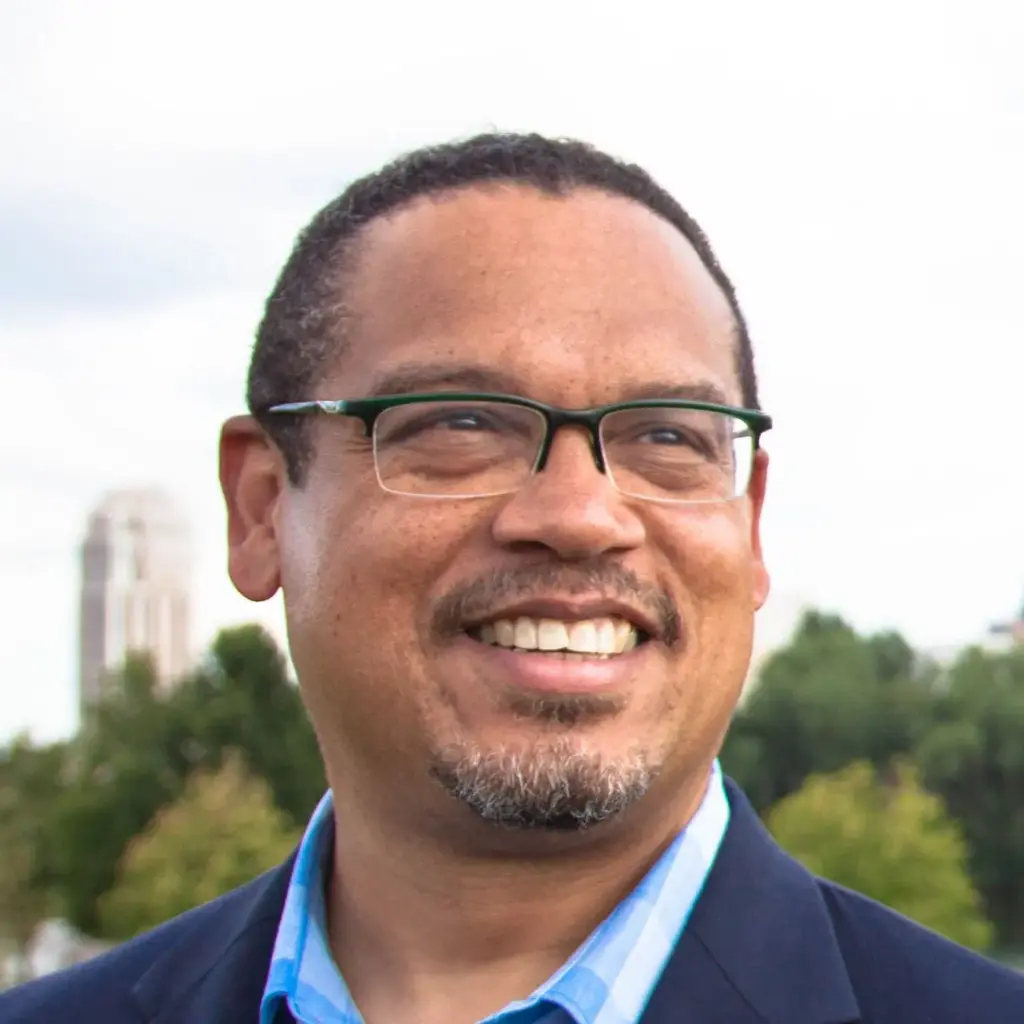
Introduction Keith Ellison, serving as the Attorney General of Minnesota since 2019, has become a prominent figure in American politics. As the first Muslim elected to the U.S. Congress and the first African American to hold the Attorney General office in Minnesota, Ellison’s role is significant not just for diversity but also for his strong
Introduction
Keith Ellison, serving as the Attorney General of Minnesota since 2019, has become a prominent figure in American politics. As the first Muslim elected to the U.S. Congress and the first African American to hold the Attorney General office in Minnesota, Ellison’s role is significant not just for diversity but also for his strong commitment to social justice and consumer protection. His actions and policies impact the lives of millions of Minnesotans and resonate beyond state borders.
Recent Initiatives and Developments
In recent months, Ellison has been involved in various high-profile cases and initiatives. Among his notable efforts is the lawsuit against several major pharmaceutical companies, addressing the widespread opioid crisis that has affected communities across the state. By holding these companies accountable, Ellison aims to recover funds for treatment programs and support affected families.
Additionally, Ellison has been vocal about issues regarding police reform and civil rights, particularly in the wake of the nationwide protests following the murder of George Floyd in 2020. He has championed legislation to enhance police accountability, advocating for measures such as body cameras and transparent reporting of police activities.
Moreover, Ellison launched initiatives to protect consumers from scams, especially targeting vulnerable populations during the COVID-19 pandemic. His office has implemented educational campaigns to inform citizens about their rights and available resources, reflecting his dedication to advocacy and community engagement.
Challenges Ahead
While Ellison’s work has led to meaningful changes, he faces numerous challenges. Balancing the demands of his office with public expectations can be a tightrope walk, especially amid evolving social justice movements and ongoing economic recovery efforts. Furthermore, his decisions have drawn criticism from various political factions, particularly those who argue for less regulation.
Conclusion
As Keith Ellison continues his tenure as Attorney General, the significance of his role cannot be understated. His efforts in tackling systemic issues such as the opioid crisis, police reform, and consumer protection highlight a commitment to justice and equality. Looking forward, Ellison’s leadership will be crucial in shaping the future legal landscape of Minnesota and in providing a blueprint for advocacy that can be emulated in other states. His continued engagement with the community and responsiveness to emerging challenges will ultimately define his legacy and impact.