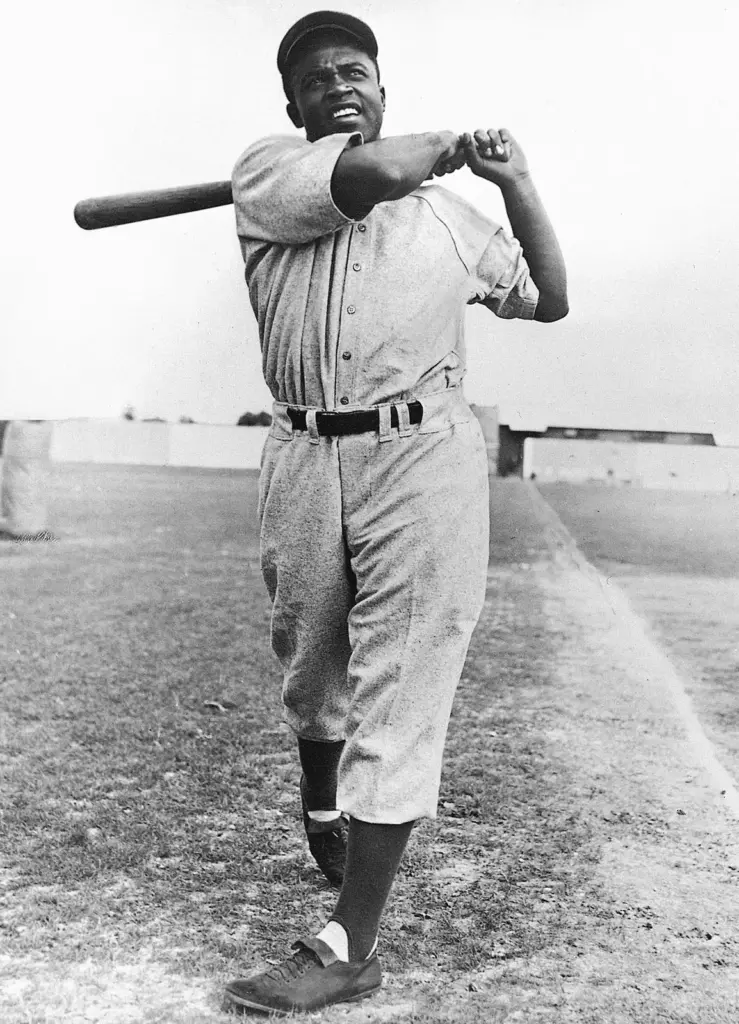
Introduction Jackie Robinson holds a significant place in American history, not only as the first African American to break the color barrier in Major League Baseball (MLB) but also as a symbol of the fight against racial segregation. His debut in April 1947 with the Brooklyn Dodgers marked a pivotal moment that transformed the landscape
Introduction
Jackie Robinson holds a significant place in American history, not only as the first African American to break the color barrier in Major League Baseball (MLB) but also as a symbol of the fight against racial segregation. His debut in April 1947 with the Brooklyn Dodgers marked a pivotal moment that transformed the landscape of sports and society. Understanding Robinson’s impact helps illuminate the continuous struggle for equality in America.
Breaking the Color Barrier
On April 15, 1947, Jackie Robinson stepped onto Ebbets Field, facing hostility from fans and players alike, yet he persevered. His signing was orchestrated by Dodgers’ general manager Branch Rickey, who sought to challenge the discriminatory norms of the time. Robinson’s debut paved the way for future generations of athletes by proving that talent knows no color. His bold stand against racism was not limited to baseball; it resonated deeply in the civil rights movement of the 1950s and 60s.
Career Achievements
During his remarkable 10-year career, Robinson showcased unparalleled talent, achieving a .311 lifetime batting average, earning six All-Star selections, and winning the National League MVP award in 1949. He played a crucial role in leading the Dodgers to six National League championships and a World Series win in 1955. His exceptional performance on the field was matched by his advocacy for social justice, as he used his platform to challenge racial inequality.
Legacy and Recognition
Jackie Robinson’s influence transcends baseball; his legacy is celebrated across various spheres. In 1997, the MLB honored his contributions by retiring his jersey number 42 league-wide, a testament to his enduring impact. Every April 15, baseball teams commemorate Jackie Robinson Day, promoting awareness of the importance of diversity in sports. His induction into the Baseball Hall of Fame in 1962 further solidified his status as a pioneer.
Conclusion
Jackie Robinson’s journey serves as a powerful reminder of the challenges faced by African Americans and the progress achieved in the quest for equality. His legacy continues to inspire not only athletes but also individuals striving for social justice in various aspects of life. Looking ahead, the principles he championed remain relevant, encouraging continued dialogue and action towards inclusivity and equality in all forms of society.