The Importance of Jackie Robinson Jackie Robinson is a name synonymous with breaking barriers both on and off the baseball field. As the first African American to play in Major League Baseball (MLB) in the modern era, Robinson’s contributions extend far beyond sports; he became a symbol of the civil rights movement in America. His
The Importance of Jackie Robinson
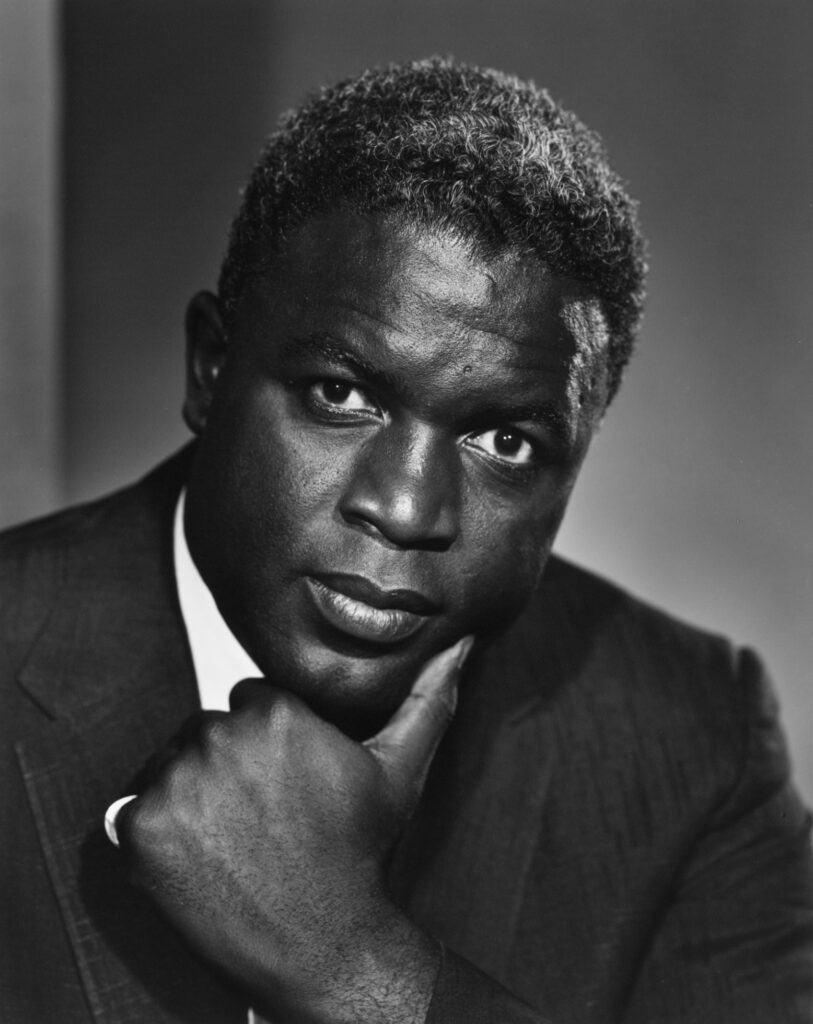
Jackie Robinson is a name synonymous with breaking barriers both on and off the baseball field. As the first African American to play in Major League Baseball (MLB) in the modern era, Robinson’s contributions extend far beyond sports; he became a symbol of the civil rights movement in America. His debut with the Brooklyn Dodgers on April 15, 1947, marked a pivotal moment in sports and U.S. history, highlighting the intersection between athletics and social justice.
Robinson’s Early Life and Career
Born on January 31, 1919, in Cairo, Georgia, Robinson faced racial discrimination from a young age. He excelled in multiple sports at UCLA, showcasing his athletic prowess. After serving in the U.S. Army during World War II, where he was court-martialed for challenging segregation within the military, Robinson pursued a career in baseball. In 1945, he signed with the Kansas City Monarchs of the Negro Leagues, before making history with the Dodgers two years later.
Impact on Major League Baseball
Robinson’s arrival in MLB was met with both support and hostility. He faced severe racism from fans, opposing players, and even some teammates. However, his exceptional talent and steadfast resolve allowed him to thrive, earning him the National League Rookie of the Year Award in 1947. Over his ten-year career, Robinson won six All-Star selections and was the 1949 National League Most Valuable Player, solidifying his status as one of baseball’s greats.
A Legacy Beyond Baseball
Jackie Robinson’s legacy transcends sports; he was an advocate for civil rights and used his platform to speak out against racial injustice. After retiring from baseball, he became involved in various civil rights organizations, including the NAACP, and worked to promote equality in America. His efforts contributed to the desegregation of many areas of American life.
Conclusion: Continuing the Fight for Equality
Jackie Robinson’s contributions are celebrated annually on Jackie Robinson Day, where players across the league wear his number 42. His legacy urges continued dialogue around race and equality, reminding us of the ongoing struggles faced by minorities. As society reflects on Robinson’s achievements, it becomes clear that his influence remains relevant today, inspiring future generations to advocate for justice and equality both on and off the field.