Italy has failed to qualify for the FIFA World Cup for the third consecutive time, raising questions about the future of its football legacy.
What does Italy’s failure to qualify for the FIFA World Cup mean for the future of its football? The answer is troubling: this marks the third consecutive time Italy has missed out on the tournament, a significant decline for a nation that has won the World Cup four times.
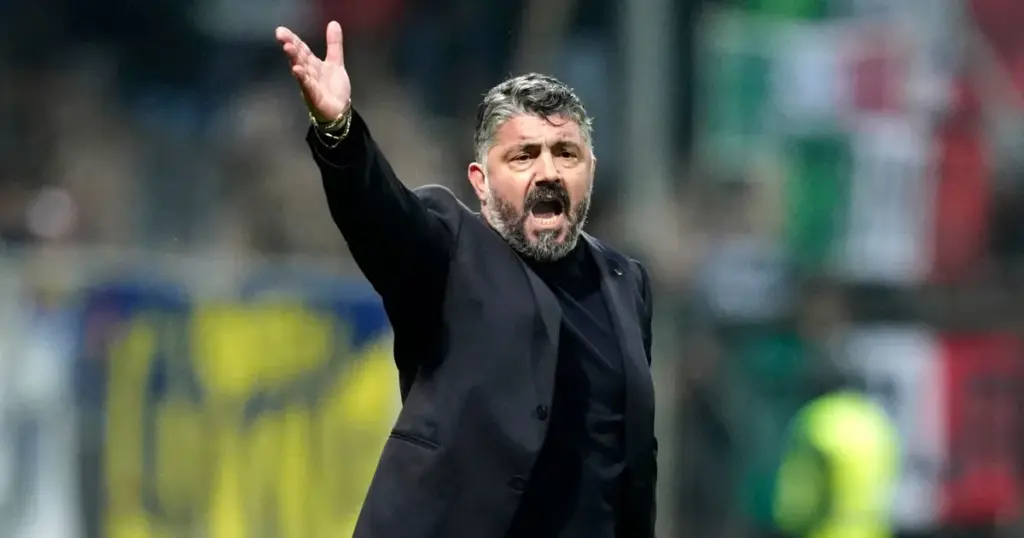
Italy’s journey to the 2026 FIFA World Cup ended in disappointment when they lost to Bosnia and Herzegovina in a penalty shootout during the qualifying playoffs. Gennaro Gattuso, who had been appointed as the national coach in June 2025 on a one-year contract, stepped down following this failure, stating, “With a heavy heart, having failed to achieve the goal we had set ourselves, I consider my time in charge of the national team to be over.”
During his tenure, Gattuso led Italy to five group stage victories before suffering a setback against Norway. His resignation came just a day after Gabriele Gravina, the president of the Italian Football Federation, also resigned. Gravina acknowledged the need for immediate technical assessments, emphasizing the importance of the Azzurri shirt as a precious asset in football.
Italy’s last appearance in the FIFA World Cup was in 2014, and since then, the national team has struggled to regain its former glory. The decline of Italian football has been attributed to various factors, including the fallout from the Calciopoli scandal, which has had lasting effects on the sport in the country.
Roberto Baggio, a legendary figure in Italian football, proposed a comprehensive overhaul of the system back in 2010, highlighting the need for significant changes. Despite winning six matches under Gattuso, the inability to secure a spot in the World Cup reflects deeper issues within Italian football.
Currently, only two Italian clubs remain in European competitions, a stark contrast to the nation’s rich footballing history. The financial struggles of Serie A are evident, with a reported 17 percent drop in revenue during the 2006–07 season, further complicating the landscape for Italian football.
As Italy faces this latest setback, questions loom about the future direction of its football. The federation has expressed gratitude to Gattuso for his dedication, but the path forward remains uncertain. The football community is left to ponder what changes are necessary to restore Italy to its former status as a football powerhouse.
Details remain unconfirmed regarding the next steps for the Italian Football Federation and potential candidates to lead the national team. The future of Italian football hangs in the balance as it seeks to rebuild and recover from these recent disappointments.