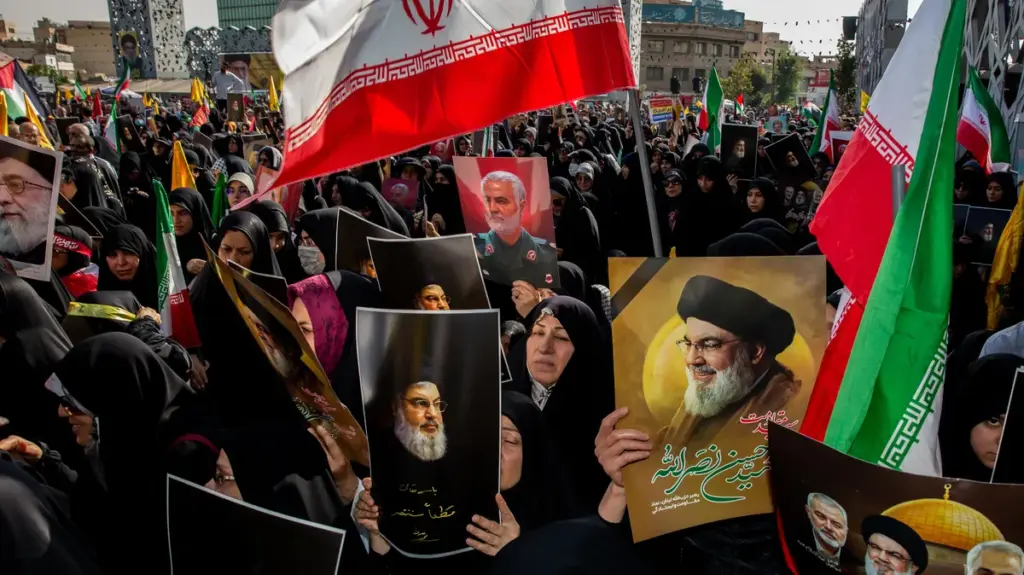
As of March 2026, the Israel Iran war has escalated significantly, with coordinated military operations and rising casualties reported.
Recent Developments
As of March 1, 2026, the conflict between Israel and Iran has reached a critical juncture. Just before the key development on February 28, the United States and Israel initiated coordinated military operations against the Iranian regime, marking a significant escalation in hostilities. This operation, dubbed Epic Fury, specifically targeted Iran’s nuclear facilities, military infrastructure, and leadership.
Escalation of Hostilities
Since the onset of the conflict, Iran has launched over 180 ballistic missiles toward Israel. The missile attacks have resulted in the deaths of 14 civilians in Israel and left more than 2,000 Israelis wounded. Additionally, Iranian missile strikes have caused significant civilian casualties in the Gulf region, with around 30 fatalities reported outside of Israel.
Military Responses
In response to these attacks, Israeli officials reported that the Israel Defense Forces (IDF) have successfully destroyed more than 300 Iranian ballistic missile launchers, which accounts for roughly 60% of Iran’s operational launch capacity. The combined force of the U.S. and Israel has severely degraded Iran’s missile and drone capabilities, leading to a sharp decline in Iranian missile attacks, with ballistic missile launches down approximately 90% from the first day of the war.
Leadership Changes in Iran
Amidst the conflict, a significant leadership change occurred in Iran. Mojtaba Khamenei was appointed as the new supreme leader following the death of his father, Ali Khamenei. This transition has prompted Iranian authorities to establish a temporary leadership council to oversee governance until a new supreme leader is officially chosen.
Increased Attacks from Hezbollah
Hezbollah has also intensified its military actions against Israel, launching rockets, missiles, and drones from southern Lebanon. The group reportedly maintains around 20,000 missiles, which poses an ongoing threat to Israeli security. The situation remains precarious as both sides continue to engage in hostilities.
International Implications
The U.S. President has stated that the military operations aim to defend the American people by eliminating imminent threats from the Iranian regime. He emphasized that “the hour of your freedom is at hand,” indicating a broader strategy to support the Iranian populace in taking control of their future. Israeli Prime Minister Benjamin Netanyahu echoed these sentiments, asserting that Israel acted to remove the existential threat posed by Iran.
Current State of Affairs
As of now, the conflict continues to evolve, with both sides preparing for further military engagements. The situation remains fluid, and details about future operations and their implications for regional stability are still unfolding. The ongoing violence underscores the complexities of the geopolitical landscape in the Middle East, where the actions of state and non-state actors alike can have far-reaching consequences.
The Israel-Iran war status as of March 2026 highlights a significant escalation in military operations and rising casualties. The developments in leadership and military capabilities will likely shape the future trajectory of this conflict, with potential implications for the broader region.