Iran has outlined three conditions for ending the ongoing conflict with Israel, emphasizing the need for recognition and reparations.
Breaking Development in the Israel-Iran Conflict
The ongoing conflict between Iran and Israel has escalated, with Iranian President Masoud Pezeshkian announcing three critical conditions for a ceasefire. These demands come amid heavy casualties and significant disruption across the region, raising concerns about the broader implications for international stability.
Immediate Circumstances and Key Demands
Pezeshkian stated that the war can only conclude if Washington and Tel Aviv accept Iran’s demands. The first condition is the recognition of Iran’s legitimate rights, which the Iranian leadership insists is non-negotiable. The second condition involves compensation for the extensive damage inflicted during the conflict, while the third requires firm international guarantees to prevent future aggression against Iran.
Wider Context of the Conflict
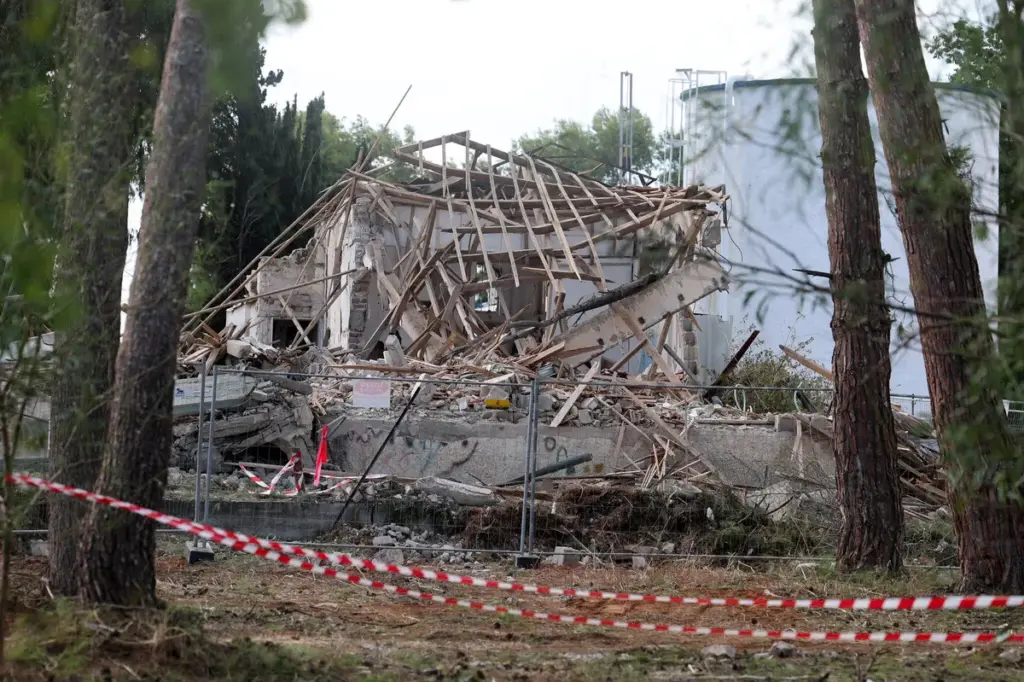
The conflict has intensified, exacerbating Iran’s already fragile economy due to airstrikes and missile attacks that have severely damaged infrastructure. The Iranian population is facing rising inflation, job losses, and shortages of essential goods, further complicating the situation. Iranian officials have warned that any attacks on their ports could trigger a wider regional response, indicating the potential for escalation beyond the current hostilities.
Reactions from Israeli Officials
Israeli officials have expressed skepticism regarding the potential for the war to lead to the collapse of Iran’s political system, suggesting that the conflict may not achieve the desired outcomes for Israel. This perspective highlights the complexities of the situation, as both sides grapple with the implications of continued hostilities.
International Community’s Role
Iran expects the international community to play a significant role in guaranteeing regional stability, emphasizing the need for a collaborative approach to address the underlying issues fueling the conflict. The situation remains fluid, with diplomatic efforts likely to be critical in determining the future trajectory of the war.
Official Statements and Future Outlook
Pezeshkian’s statement underscores the Iranian government’s firm stance on its conditions for peace, framing the conflict as a struggle against aggression from the Zionist regime and the United States. As the situation develops, the international community’s response will be crucial in shaping the prospects for a resolution.
Details remain unconfirmed regarding the exact timeline for negotiations or potential ceasefire agreements, but the urgency of the situation continues to grow as the conflict persists.