The Israel Iran conflict has escalated significantly, with Israel intensifying its military operations against Iranian targets and civilian casualties mounting.
Impact of the Ongoing Conflict
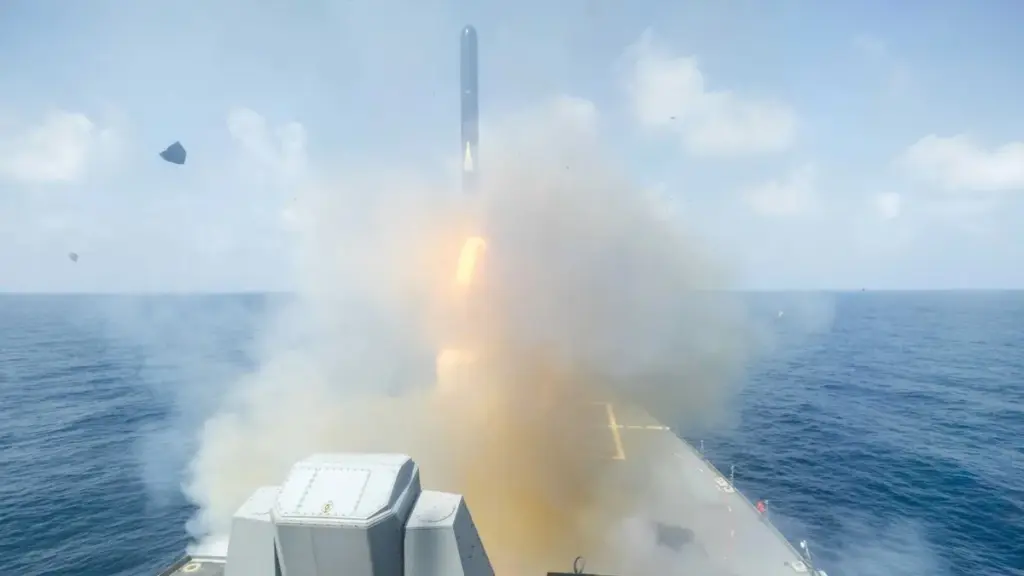
The war between Israel, the United States, and Iran has entered its second week, resulting in significant military and civilian consequences. As the conflict escalates, Israel has neutralized around 300 Iranian missile launchers since the operation began, showcasing its military capabilities and strategic objectives.
In addition to targeting missile launchers, Israel has intensified airstrikes in Lebanon, hitting around 60 targets related to Hezbollah. This expansion of military operations reflects a broader strategy to diminish Iranian influence in the region.
Casualties and Responses
The Iranian health ministry has reported a civilian death toll of 926 and approximately 6,000 injured as of March 6, 2026. These figures highlight the severe humanitarian impact of the ongoing conflict, raising concerns among international observers.
In a notable response, Iran’s President Masoud Pezeshkian apologized to Gulf states, stating, “We will limit our attacks on them in the future.” This statement indicates a potential shift in Iran’s military posture amidst mounting pressure from the conflict.
Wider Regional Implications
The conflict has spread beyond Israel and Iran, affecting neighboring countries such as Lebanon, Cyprus, Turkey, and Azerbaijan, and even reaching as far as the seas off Sri Lanka. This regional escalation underscores the potential for a broader conflict involving multiple nations.
In a demonstration of its defensive capabilities, the UAE intercepted 11 ballistic missiles and 123 drones in a single day during the conflict, reflecting the heightened threat level in the region.
Statements from Leaders
Israeli Prime Minister Benjamin Netanyahu has vowed to continue the war with a plan to “eradicate the Iranian regime.” This commitment suggests that Israel is prepared for a prolonged engagement, potentially leading to further escalations.
Former U.S. President Donald Trump also weighed in, stating, “Today Iran will be hit very hard!” Such remarks indicate the ongoing involvement and interest of external powers in the conflict.
Meanwhile, Iranian envoy Amir Saeid Iravani emphasized that the selection of Iran’s leadership will occur without foreign interference, reinforcing the nation’s stance on sovereignty amidst external pressures.
Future Developments
As the situation continues to evolve, uncertainties remain regarding the potential for further escalation and the international community’s response. Details remain unconfirmed, and the global implications of this conflict are yet to be fully understood.