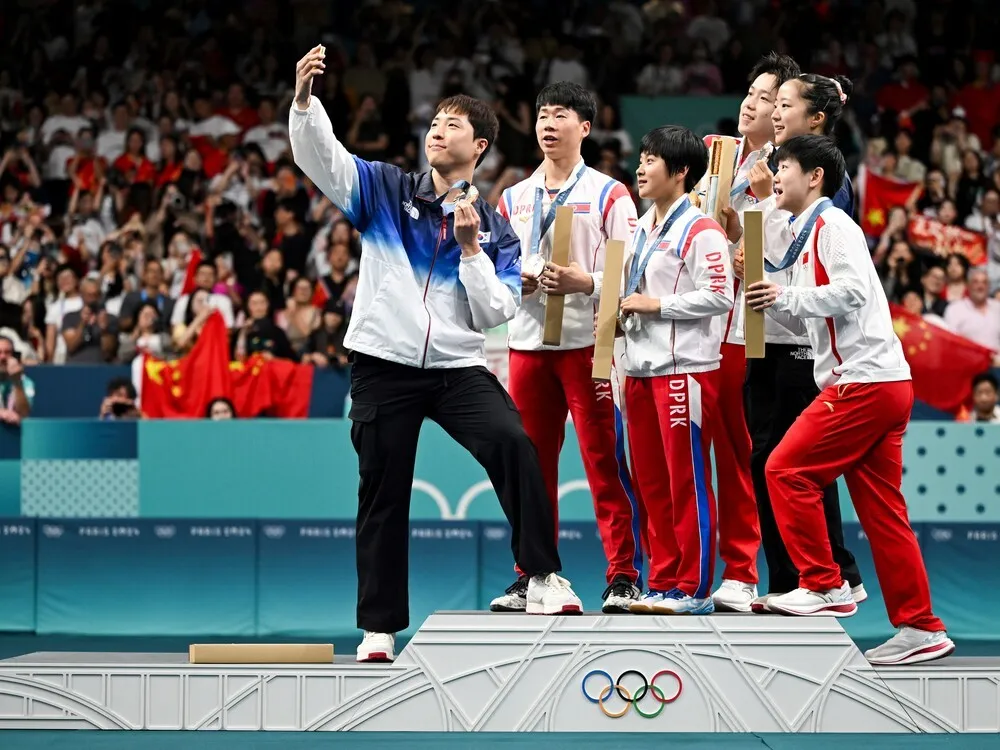
Introduction The Olympics have long been a platform for nations to showcase their athletic prowess and foster international goodwill. However, North Korea’s relationship with the Games is complex, characterized by periods of participation and absence due to political factors. Understanding North Korea’s status in the Olympics is crucial for fans and politicians alike, particularly in
Introduction
The Olympics have long been a platform for nations to showcase their athletic prowess and foster international goodwill. However, North Korea’s relationship with the Games is complex, characterized by periods of participation and absence due to political factors. Understanding North Korea’s status in the Olympics is crucial for fans and politicians alike, particularly in light of recent global events.
North Korea’s Olympic History
North Korea has participated in the Olympic Games since 1964. The nation has been represented in both the Summer and Winter Olympics, although its participation has been sporadic. Over the years, North Korean athletes have competed in various disciplines, earning a modest number of medals, including several golds in weightlifting and archery. However, political tensions, including sanctions and diplomatic conflicts, have frequently clouded North Korea’s Olympic involvement.
Recent Developments
As of October 2023, North Korea’s participation in the upcoming 2024 Summer Olympics in Paris remains uncertain. The nation has faced increasing pressure from international sanctions imposed due to its nuclear weapons program, which has influenced its approach to international events. In 2021, North Korea made headlines when it announced a withdrawal from the Tokyo Olympics, citing concerns over the COVID-19 pandemic and an effort to protect its athletes. This decision marked the first time North Korea missed the Games since its debut in 1964.
In late 2022, North Korea indicated a more aggressive attitude towards its Olympic participation, alleging conspiracies and challenges from South Korea and the United States. However, subsequent diplomatic overtures and the ongoing pandemic situation have cast doubt on whether the country will send athletes to Paris.
What Does This Mean for the Olympics?
The potential absence of North Korea in the Paris Olympic Games would have significant ramifications. It could influence the dynamics of competition, particularly in weightlifting and archery, where North Korean athletes have historically performed well. Moreover, the absence might further illustrate the isolating effects of global sanctions on the nation, underscoring a gap in representation and interaction among world countries at a major international event.
Conclusion
As we approach the 2024 Summer Olympics, the question of North Korea’s participation remains ambiguous. The decisions made in the coming months could reaffirm or redefine North Korea’s relationship with the global sporting community. Observers are keenly watching for any signs of engagement, as North Korea’s presence—or lack thereof—will be closely scrutinized, illustrating not only its athletic potential but also its intricate political landscape.