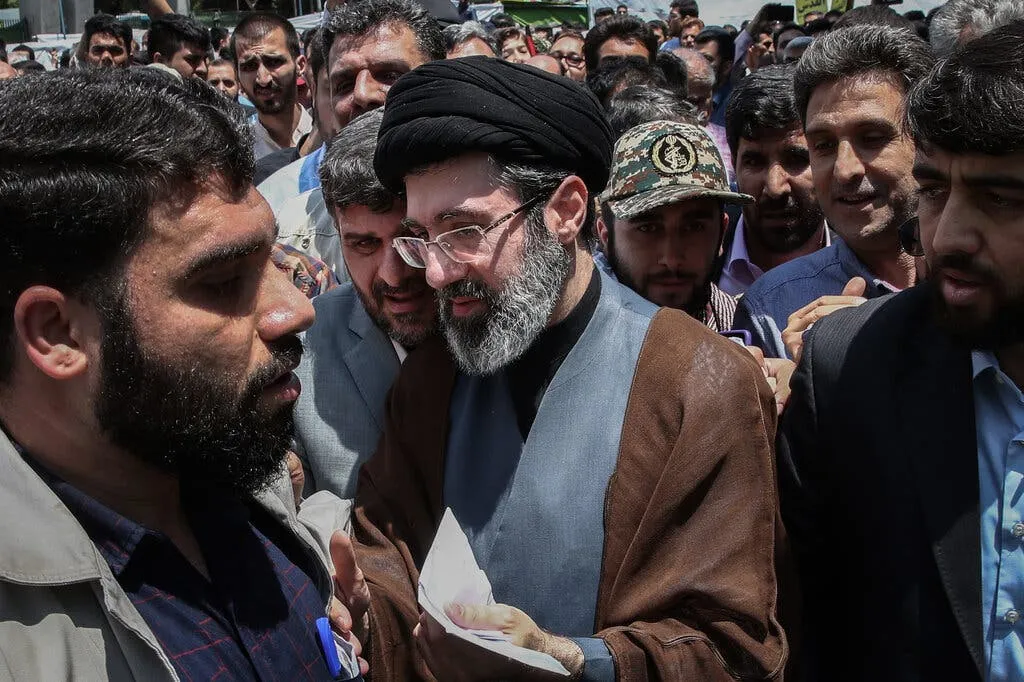
Mojtaba Khamenei has recently been appointed as Iran’s Supreme Leader following a devastating airstrike. His health and leadership status remain uncertain.
Background and Initial Expectations
Before the recent developments, the political landscape in Iran was largely dominated by the leadership of Ali Khamenei, who had served as the Supreme Leader since 1989. His tenure was characterized by a firm grip on power, with the Islamic Revolutionary Guards Corps (IRGC) playing a crucial role in maintaining the regime’s stability. The expectation was that the transition of power would be seamless, with Mojtaba Khamenei, the son of Ali Khamenei, being groomed to take over in the future. However, the sudden turn of events has dramatically altered this trajectory.
Decisive Moment and Immediate Changes
On February 28, 2026, an Israeli airstrike targeted the Khamenei family, resulting in the death of Ali Khamenei along with Mojtaba’s mother and wife. In the aftermath, Mojtaba Khamenei was appointed as Iran’s Supreme Leader on March 8, 2026. Reports indicate that he sustained injuries during the attack, with Israeli intelligence suggesting he suffered leg injuries. Iranian officials have stated that he is safe but has not been seen in public since his appointment, leading to widespread speculation about his health, including claims that he might be in a coma.
Direct Effects on Leadership and Governance
The immediate impact of Mojtaba Khamenei’s appointment has been significant. The IRGC and military forces have pledged their allegiance to him, indicating a level of support crucial for his leadership. However, public sentiment appears divided, with protests erupting in Tehran, where demonstrators have been heard chanting “Death to Mojtaba!” This public opposition raises questions about his ability to govern effectively, especially in a country where the Supreme Leader’s authority is paramount.
Expert Perspectives on the Shift
Experts have weighed in on the implications of this leadership change. Yousef Pezeshkian, an Iranian politician, expressed relief at reports of Mojtaba’s safety, stating, “I have asked some friends who had connections. They told me that, thank God, he is safe and sound.” However, the broader implications of his health and leadership capabilities remain uncertain. Emile Hokayem, a regional analyst, noted, “Killing him early is certainly an Israeli priority. If he survives, he becomes a totem, a testimony to the resilience of the system.” This perspective highlights the precarious nature of his position amidst external threats and internal dissent.
Uncertainties Surrounding Mojtaba Khamenei
As the situation unfolds, several uncertainties persist regarding Mojtaba Khamenei’s health and leadership. The full extent of his injuries remains unclear, and it is uncertain how long he will remain out of public view. Furthermore, there are claims that he may delegate power to other officials due to his injuries, which could significantly alter the power dynamics within the Iranian government. Details remain unconfirmed.
Conclusion: A New Era of Leadership
Mojtaba Khamenei’s ascension to the role of Supreme Leader marks a pivotal moment in Iran’s political history. While he inherits a legacy of power, the challenges he faces are unprecedented. The combination of public dissent, questions about his health, and external pressures from adversaries like Israel will shape his leadership in the coming months. As Iran navigates this tumultuous period, the world watches closely to see how the new Supreme Leader will respond to the myriad challenges ahead.