The Iran-Israel-US war continues to escalate, with Iran outlining conditions for peace amidst significant military and civilian impacts.
Breaking Development in the Iran-Israel-US War
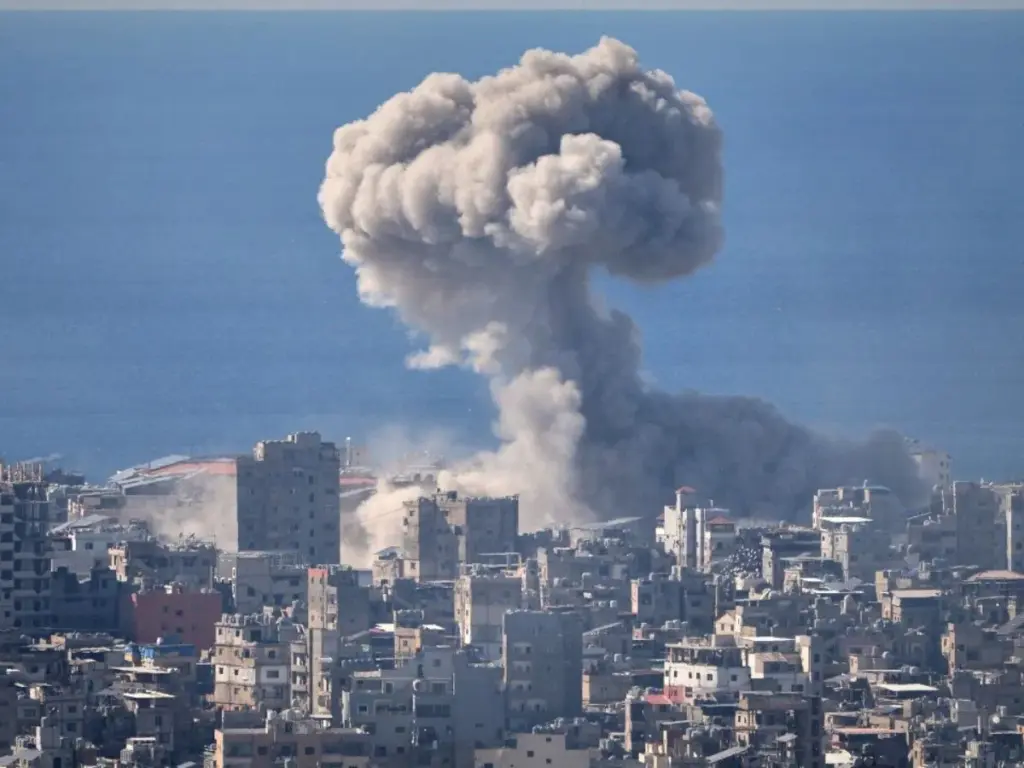
As of March 11, 2026, the conflict between Iran, Israel, and the United States has intensified, following the assassination of Iran’s Supreme Leader and several high-ranking officials on February 28, 2026. Iranian President Masoud Pezeshkian has articulated three conditions for ending the war: recognition of Iran’s rights, compensation for war damages, and guarantees against future attacks. This announcement comes 12 days into the conflict, which has already led to significant civilian casualties and destruction of infrastructure within Iran.
Immediate Circumstances and Military Responses
In a recent statement, Pezeshkian emphasized that military pressure alone will not resolve the ongoing war, indicating a need for diplomatic engagement. Meanwhile, Iranian military officials have issued stern warnings that any attack on Iran’s ports could provoke a broader regional response. Abolfazl Shekarchi, a military spokesperson, stated, “If our ports and docks are threatened, all ports and docks in the region will be our legitimate targets.” This rhetoric highlights the potential for the conflict to escalate beyond its current borders.
Wider Context of the Conflict
The war has not only affected Iran but has also escalated tensions throughout the Middle East, impacting global shipping routes and energy markets. Brent crude prices have surged to $100 per barrel, reflecting the instability in the region. Israeli officials have expressed skepticism regarding the potential for the conflict to lead to the collapse of Iran’s political system, despite the ongoing military pressure. This perspective suggests that the conflict may be protracted, with no immediate resolution in sight.
Humanitarian Impact and Economic Consequences
The humanitarian impact of the war has been severe, with reports indicating significant civilian casualties and widespread destruction of infrastructure in Iran. The ongoing conflict, coupled with international sanctions, has further exacerbated Iran’s economic situation, leading to worsening conditions for its citizens. Pezeshkian has reiterated Iran’s openness to peace talks but insists that any discussions must address the damages inflicted by the conflict.
Official Statements and Reactions
In light of the escalating situation, Iranian officials have called for international support to recognize their rights and provide reparations for the damages incurred during the conflict. Mohammad-Bagher Ghalibaf, a prominent Iranian politician, stated, “The aggressor must be punished and taught a lesson that will deter them from attacking Iran again.” This sentiment reflects a broader desire within Iran to seek accountability and security assurances from the international community.
International Implications and Future Outlook
The ongoing conflict has significant implications for international relations, particularly concerning the roles of major powers like Russia and Pakistan. As the situation develops, the potential for diplomatic interventions may arise, but the current stance of Iranian leadership suggests a firm commitment to their outlined conditions for peace. Details remain unconfirmed regarding the international community’s response to these developments.
The Iran-Israel-US war remains a critical issue with far-reaching consequences. As both sides prepare for potential escalations, the international community watches closely, hoping for a resolution that addresses the underlying grievances and ensures regional stability.