The IPL auction 2026 revealed surprising results, with notable players going unsold and franchises investing heavily in uncapped players.
The IPL auction 2026 was anticipated to be a showcase of talent, with expectations high for established players to secure lucrative contracts. Historically, the auction has been a platform where big names like Steve Smith and Maheesh Theekshana would command significant bids, but this year took an unexpected turn.
In a surprising development, both Smith and Theekshana went unsold during the auction. This marked a stark contrast to prior expectations, where their names were expected to attract fierce competition among franchises. Instead, the focus shifted to uncapped players, leading to franchises spending over ₹66.25 crore on this category.
The auction featured a staggering 1,355 registered players, yet only 77 made the cut, highlighting the fierce competition and the selective nature of team strategies. Among the notable purchases, Chennai Super Kings made headlines by paying ₹14.2 crore each for Prashant Veer and Kartik Sharma, indicating a shift towards investing in emerging talent.
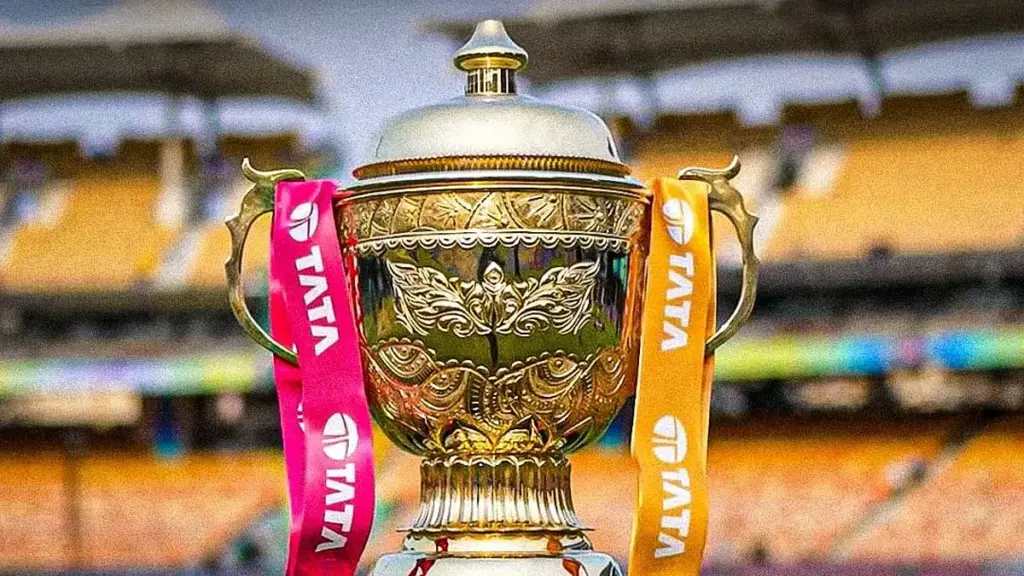
As the tournament approaches, Royal Challengers Bengaluru will defend their title against Sunrisers Hyderabad in the opener, set to run until May 31. The excitement is palpable, but the shadow of a recent tragedy looms large. The BCCI made the difficult decision to cancel the traditional opening ceremony following a stampede that claimed the lives of 11 fans.
In a gesture of remembrance, 11 seats in the stadium will remain vacant throughout the season, serving as a poignant reminder of the lives lost. This decision underscores the league’s sensitivity to its fan base and the community’s grief.
Furthermore, the Impact Player rule will continue this season, adding an intriguing layer to the strategic gameplay. Experts suggest that this rule, combined with the focus on uncapped players, may lead to a more dynamic and unpredictable tournament.
As the IPL enters this new phase, the emphasis on adaptability over legacy is evident. The landscape of the auction and the tournament itself is evolving, reflecting broader trends in sports management and player development.
Details remain unconfirmed regarding the long-term implications of these auction results, but the immediate effects are clear: franchises are recalibrating their strategies, and fans are left to ponder the future of their favorite teams.