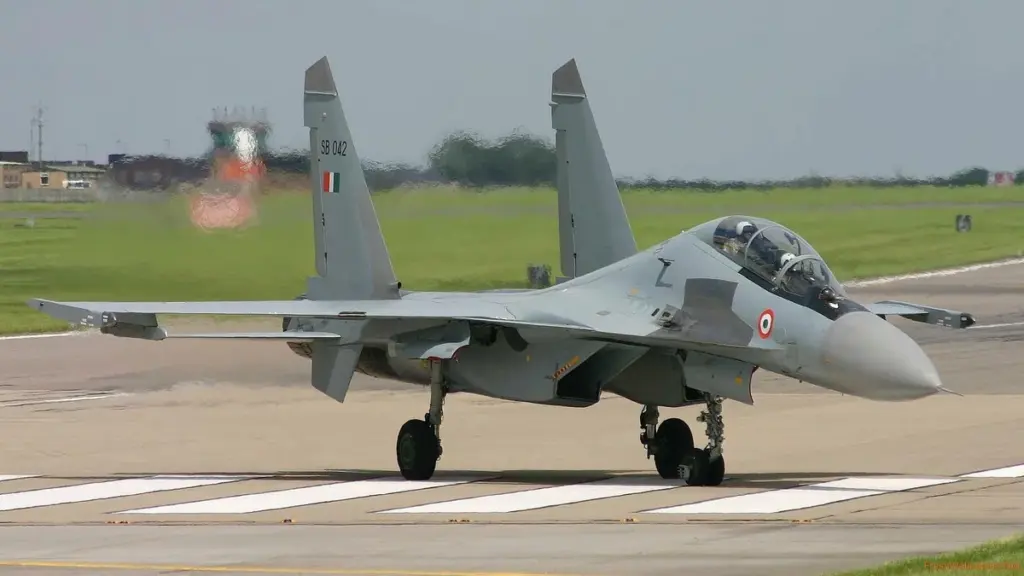
Recent agreements and incidents highlight the evolving landscape of the Indian Air Force.
GE Aerospace has had a longstanding partnership with the Indian Air Force (IAF) for over four decades. This collaboration has recently culminated in a significant agreement: GE Aerospace will establish an in-country depot facility for F404-IN20 engines. This development is crucial, as it enhances the repair and overhaul infrastructure for the IAF’s Light Combat Aircraft Tejas fleet.
The new facility will be owned, operated, and maintained by the IAF itself. This move signals a shift towards self-reliance in defense capabilities, aligning with India’s broader strategic goals. But why does this matter? It underscores a commitment to bolstering indigenous capabilities while reducing dependency on foreign entities.
Meanwhile, not all news has been positive. The IAF confirmed that Pune airport was temporarily closed due to a hard landing incident involving one of its aircraft. The aircraft experienced an undercarriage failure upon landing—an alarming event that raises questions about operational safety and maintenance protocols.
Observers note that it could take approximately 4-5 hours to move the aircraft and restore the runway at Pune airport. Such incidents can disrupt operations significantly, highlighting the importance of robust maintenance systems—especially as the IAF continues to expand its fleet.
In another development, the Indian Air Force Chief undertook a familiarization flight in a Boeing F-15EX Eagle II fighter aircraft at Nellis Air Force Base. The F-15EX is an advanced multirole fighter developed by Boeing, known for its impressive specifications: it can carry a payload of up to 29,500 pounds (13,381 kilograms) and boasts a top speed of Mach 2.5 with a service ceiling of 50,000 feet.
This flight demonstrates not only technological advancements but also strengthens defense ties between India and the United States. The U.S. Air Force emphasized this partnership during discussions with the Indian Air Chief, reinforcing mutual interests in regional security.
What’s next for the IAF? With these developments unfolding, experts suggest that India will continue to enhance its air combat capabilities while focusing on self-sufficiency. As geopolitical tensions rise, maintaining a modern and well-equipped air force becomes increasingly vital.
Details remain unconfirmed regarding future agreements or collaborations, but one thing is clear: The Indian Air Force is poised for significant growth and transformation in response to both internal needs and external pressures.