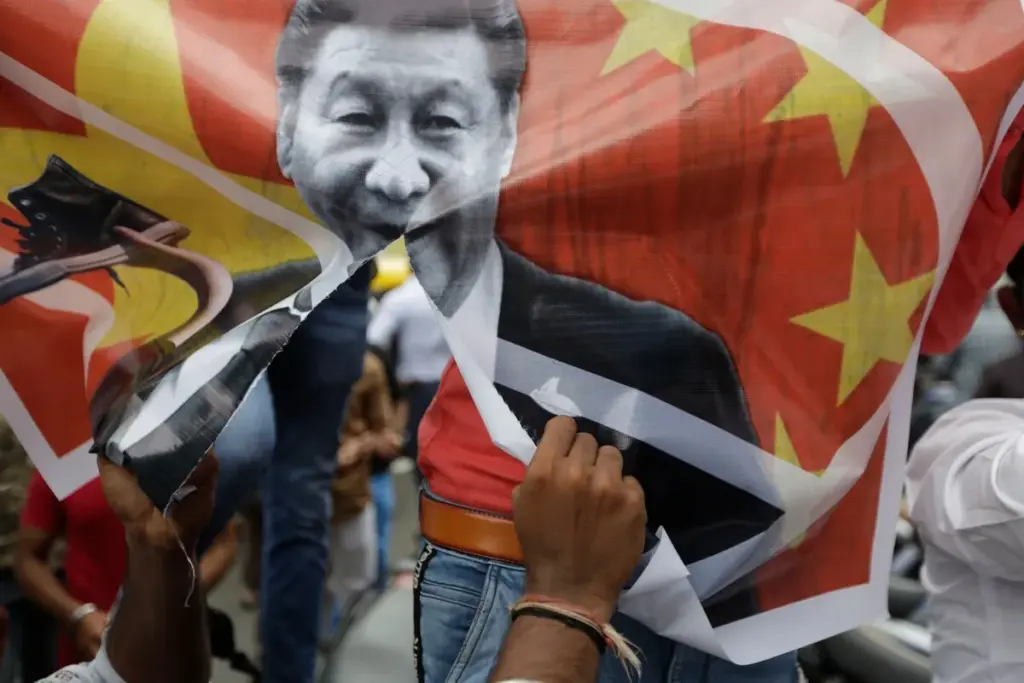
India is set to enforce a total ban on non-certified internet-connected CCTV cameras from Chinese manufacturers, effective April 1, 2026.
The numbers
Starting April 1, 2026, the Indian government will implement a total ban on the sale of non-certified internet-connected CCTV cameras from Chinese manufacturers. This decision marks a significant shift in the country’s surveillance technology landscape, as Chinese brands like Hikvision and Dahua previously held a substantial share of the market.
Until 2024, Hikvision and Dahua collectively commanded one-third of the Indian CCTV market. However, the recent regulatory changes have altered this dynamic dramatically. The government has refused to certify products made in China or those utilizing Chinese chipsets under the new Standardisation Testing and Quality Certification (STQC) rules, effectively sidelining these major players.
As of February 2026, Indian companies now control over 80% of the market. Notably, CP Plus has seen its market share surge to 45-50%, a significant increase from the 20-25% it held before the new regulations were introduced. This shift underscores a growing trend towards domestic manufacturing and reliance on local suppliers.
In stark contrast, Dahua’s business has contracted by 80%, limiting its operations primarily to selling obsolete analog cameras. The compliance requirements imposed by the Indian government are stringent, particularly regarding the disclosure of components and software integrity, as noted by a senior executive at a domestic electronics firm.
The transition away from Chinese suppliers has not come without its challenges. Industry analysts have indicated that the shift has led to a 15-20% increase in the bill of materials (BoM), raising costs for manufacturers and consumers alike. Despite these hurdles, the policy has been described as an acceleration towards indigenous manufacturing.
While the ban on new installations of Chinese CCTV systems is set to take effect, existing installations are not expected to face immediate disruption. This provides a temporary buffer for businesses and consumers who have already invested in these systems.
As the market adapts to these changes, observers are keenly watching how domestic manufacturers will respond to the increased demand for surveillance technology. The full implications of this ban on the broader technology landscape in India remain to be seen, but the move is a clear indication of the country’s intent to bolster its own manufacturing capabilities and reduce reliance on foreign technology.