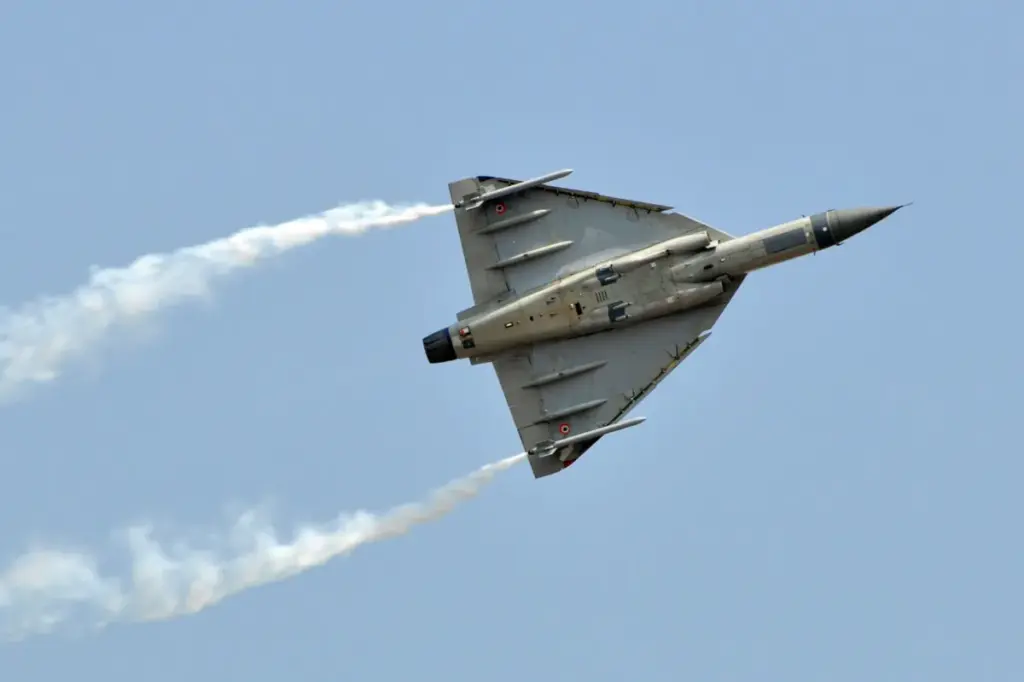
The HAL Tejas fleet is set to resume flights after being grounded due to a mishap. Key developments include engine delivery delays and operational updates.
The HAL Tejas fleet, which was grounded in February 2026 following a landing mishap, is poised to return to the skies. HAL chairman DK Sunil announced that all Tejas jets are set to fly again starting April 8, 2026. This announcement comes as a relief to the Indian Air Force (IAF), which currently operates 32 to 34 HAL Tejas Mk1 fighter jets across two operational squadrons.
However, the Tejas program has faced significant challenges, particularly regarding engine deliveries. GE Aerospace, the supplier of the F404 engines, has been slow in fulfilling its contract obligations. Out of a total of 99 engines contracted, only six have been delivered as of now. The first engine was received in March 2025, and HAL expects another delivery by the end of April 2026.
In light of these delays, HAL has imposed penalties on GE Aerospace. The Tejas Mk-1A program is expected to deliver over 20 aircraft by December 2026, which is crucial for replacing the aging MiG-21s in the IAF’s fleet. The indigenous Kaveri engine, initially linked to the Tejas airframe, was delinked in 2008 due to its failure to deliver the required thrust, further complicating the program.
Despite these setbacks, the Tejas is compatible with modern missiles, laser-guided bombs, and helmet-mounted displays, showcasing its advanced capabilities. Philip Rajkumar, an expert in the field, emphasized the complexity of jet engines, stating, “The jet engine is one of the most complex pieces of machinery that you can ever think of.” He also defended the Tejas’s performance, calling criticisms “utter rubbish” and asserting that it excels in sheer performance.
The Tejas program has taken longer and cost more than initially anticipated, a situation highlighted by defense analyst Sandeep Unnithan. He noted that while India invested relatively modest sums into the program, countries like China have made substantial investments in their own military aviation capabilities.
As of now, the IAF is looking forward to the resumption of operations with the Tejas fleet, which is crucial for maintaining air superiority. The return to flight operations is not only significant for the IAF but also for HAL, which has been under pressure to deliver on its commitments amid these challenges.
In summary, the HAL Tejas is set to resume flights soon, but the program continues to grapple with engine supply issues and operational readiness. The next few months will be critical in determining the future trajectory of the Tejas Mk-1A program and its role within the IAF.