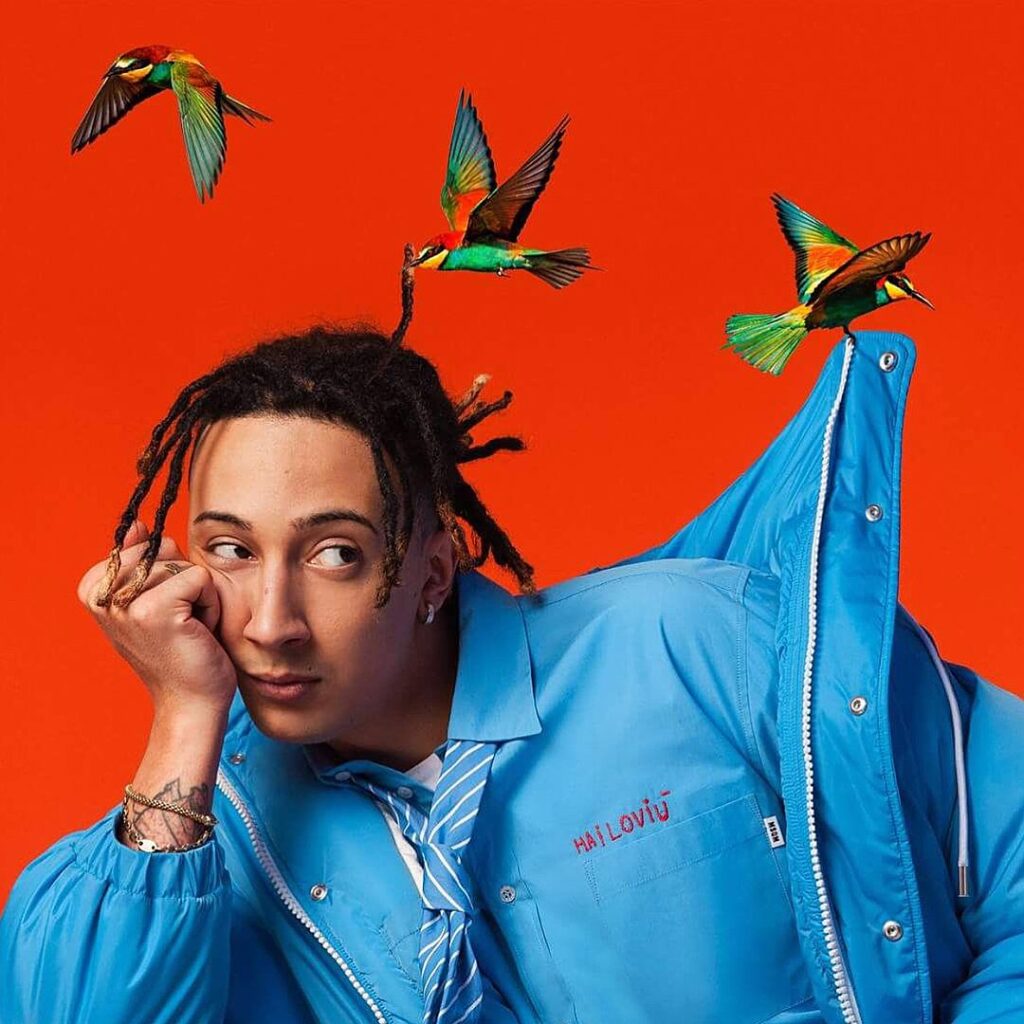
Introduction Ghali, born in 1993 in Milan, Italy, to Tunisian parents, has emerged as a significant figure in contemporary music, particularly within the rap and trap genres. His blend of Italian rap with North African musical influences has caught the attention of audiences across Europe and beyond. The importance of Ghali’s work lies not only
Introduction
Ghali, born in 1993 in Milan, Italy, to Tunisian parents, has emerged as a significant figure in contemporary music, particularly within the rap and trap genres. His blend of Italian rap with North African musical influences has caught the attention of audiences across Europe and beyond. The importance of Ghali’s work lies not only in its commercial success but also in its representation of cultural fusion and identity.
Background and Career Development
Ghali’s music career began to take shape in the early 2010s when he gained recognition as part of the collective known as Troupe D’Elite. His debut single “Ninna Nanna” in 2017 skyrocketed him to fame and led to his first album, “Album,” which received widespread acclaim. This album showcased not just his lyrical prowess but also his ability to address social issues, including immigration and identity, resonating with listeners who shared similar experiences.
Recent Achievements
In recent months, Ghali has continued to evolve as an artist, with new singles and collaborations elevating his profile. His latest hit, “I Love You,” highlights his growth and experimentation with sound, embracing electronic elements while retaining his signature lyrical style. The track has topped charts in Italy and has drawn praise for its innovative approach. Moreover, Ghali’s music videos often present vibrant visuals that celebrate his multicultural heritage, further solidifying his role as a voice for the diaspora.
Significance in Current Cultural Landscape
Ghali’s impact extends beyond music; he represents a new wave of artists who break traditional barriers and connect with diverse audiences. His success reflects a growing appreciation for multiculturalism in the arts, particularly in European contexts where discussions around identity and migration are increasingly relevant. Through his art, Ghali advocates for acceptance and inclusivity, making significant contributions to conversations surrounding race and identity in modern society.
Conclusion
As Ghali continues to rise in the music industry, his influence is expected to permeate various facets of culture, inspiring upcoming artists to embrace their roots and express their identities freely. For listeners, Ghali offers a soundtrack that is not only catchy but also meaningful, marrying entertaining music with profound messages. Observers should keep an eye on his evolving career, as it promises to bring more groundbreaking art that challenges norms and inspires change.