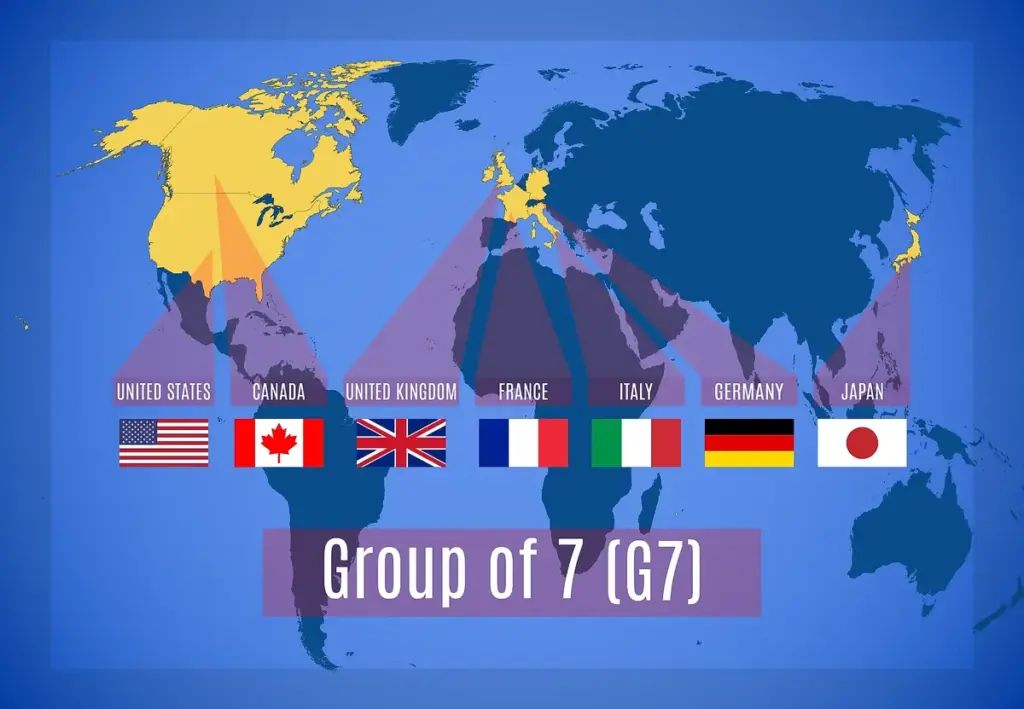
G7 countries are considering a coordinated release of oil reserves as prices surge due to the ongoing conflict in Iran.
Recent Developments
On March 9, 2026, the G7 Finance Ministers convened to discuss a significant response to the escalating oil prices, which surged by over 25% earlier that day. This spike in prices marks the highest levels since mid-2022 and is largely attributed to the ongoing conflict in Iran, which began on February 28, 2026, following U.S. and Israeli strikes.
During the meeting, three G7 countries, including the United States, expressed support for a joint release of oil from emergency reserves. The proposal aims to mitigate the impact of the Iran war on global oil prices, which have seen Brent crude reach $116.71 per barrel before slightly easing to $110, while WTI crude prices peaked at $116.45 before declining to nearly $107.
Current Situation
The International Energy Agency (IEA) is actively involved in these discussions, with Executive Director Fatih Birol participating in the call with G7 ministers. The G7 countries are considering a coordinated release of up to 300 million barrels from their strategic reserves, which currently hold approximately 1.2 billion barrels in total.
This potential release is part of a broader strategy, as the IEA has previously coordinated five collective releases of emergency oil stocks since its establishment, with the most recent occurring in 2022 in response to Russia’s invasion of Ukraine. The current situation underscores the G7’s commitment to stabilizing oil markets amid geopolitical tensions.
Implications
The discussions among the G7 countries are crucial not only for stabilizing oil prices but also for addressing the economic ramifications of the Iran conflict. The proposed coordinated release of reserves could cover up to 140 days of net imports, providing a buffer against further price increases.
As the situation develops, the G7 countries are weighing their options carefully, considering both the immediate economic impacts and the long-term implications of their decisions on global energy security. Details remain unconfirmed regarding the final decision on the release of reserves and the specific quantities involved.