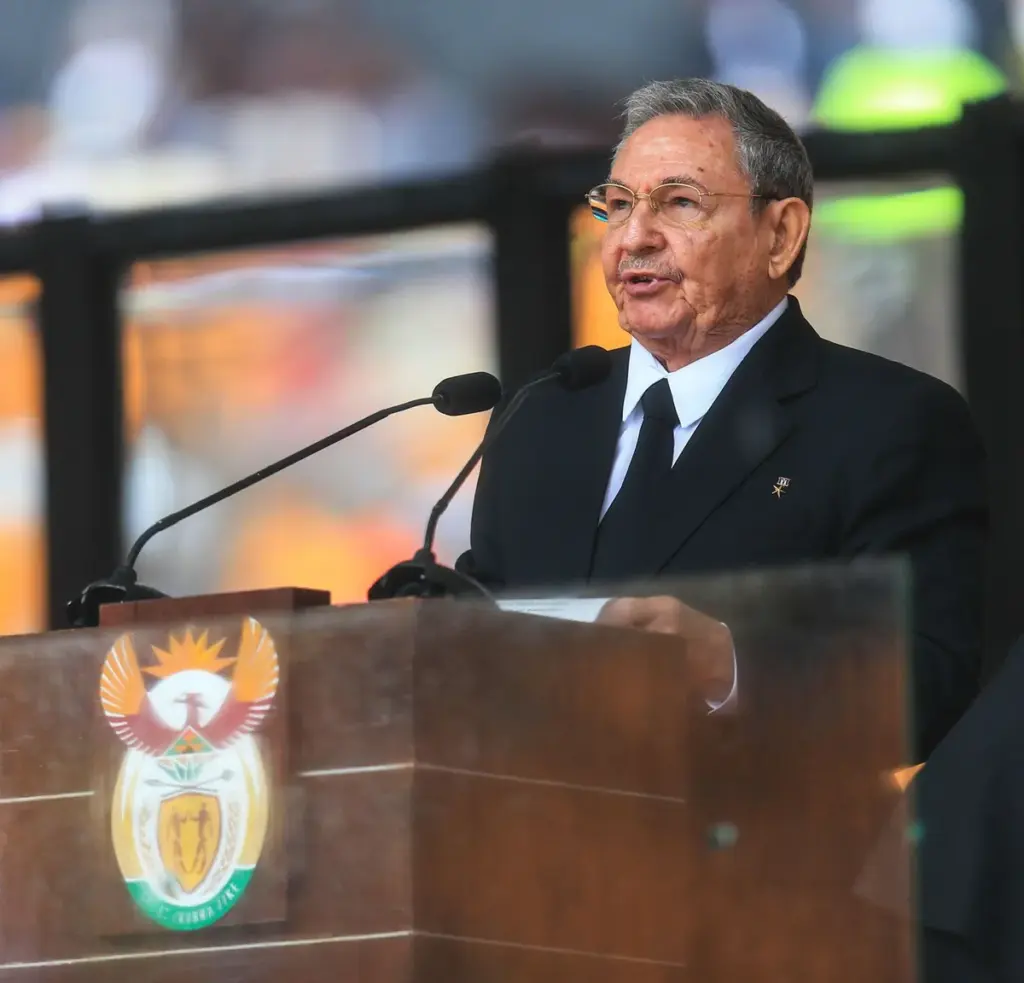
Fidel Castro’s influence on Cuba continues to shape its political and economic landscape, especially under Raúl Castro’s leadership.
The legacy of Fidel Castro profoundly impacts Cuba today, particularly as the nation grapples with economic challenges and political transitions. Following Castro’s retirement, his brother Raúl Castro took the reins of leadership in 2008, marking a pivotal shift in the country’s governance. Under Raúl, Cuba faced a series of crises, including a significant economic downturn that saw a reported 11 percent decline in GDP in 2020, exacerbated by external pressures such as the oil blockade imposed by the Trump administration.
Raúl Castro’s presidency was characterized by attempts to reform the economy, including the removal of wage restraints and the allowance of private enterprise. These reforms were essential as Cuba struggled with the fallout from decades of isolation and economic mismanagement. Notably, approximately 500,000 government employees were laid off as part of these economic adjustments, a stark indication of the challenges facing the Cuban workforce.
Raúl Castro’s leadership also included significant diplomatic efforts, notably the historic talks with Barack Obama in 2014 that led to the reopening of embassies and a thawing of relations between the two nations. This diplomatic shift was crucial in addressing some of the economic hardships faced by Cuba, although subsequent tensions with the Trump administration led to renewed sanctions and a humanitarian crisis. The United Nations warned of severe consequences, including prolonged power outages affecting health services, a situation described by Tedros Adhanom Ghebreyesus as deeply concerning.
As Cuba navigates these turbulent waters, the leadership of Miguel Díaz-Canel, who succeeded Raúl Castro, is under scrutiny. Díaz-Canel has emphasized the need for dialogue and collaboration, stating, “First, we must build a channel for dialogue. Then, we must build common agendas of interests for the parties.” This approach reflects a desire to stabilize the nation amidst ongoing economic and social challenges.
Raúl Castro’s retirement from the Communist Party in April 2021 signaled the end of an era, as he was one of the last leaders directly associated with the revolution that brought Fidel Castro to power in 1959. With 70 percent of the Cuban population born after the triumph of the revolution, the disconnect between the current leadership and the younger generation is palpable. This demographic shift raises questions about the future direction of Cuba and the legacy of the Castro brothers.
Despite the reforms initiated by Raúl Castro, Cuba continues to face significant obstacles. The country requires an estimated 94 million dollars to address its energy crisis and repair damage from hurricanes, highlighting the urgent need for international support and investment. The economic reforms, while necessary, have not yet translated into widespread improvements in living conditions for the Cuban people.
As Cuba moves forward, uncertainties remain regarding its political and economic future. The ongoing humanitarian crisis, coupled with the complexities of international relations, poses challenges that the new leadership must navigate carefully. Details remain unconfirmed about the potential for further reforms or changes in diplomatic strategy, leaving many to wonder how the legacy of Fidel Castro will continue to shape the island nation.