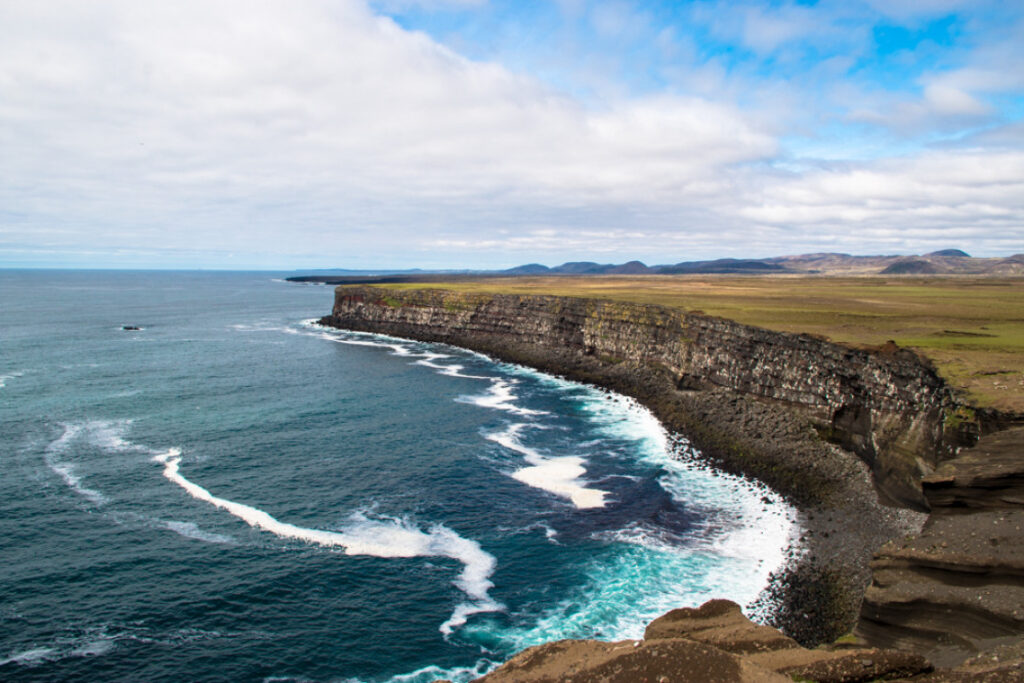
Introduction Iceland, often referred to as the ‘Land of Fire and Ice’, is an island nation located in the North Atlantic Ocean. It is renowned for its stunning natural landscapes, vibrant culture, and geothermal activity. With the recent surge in tourism, Iceland has become a central point for travelers seeking adventure, relaxation, and unique experiences.
Introduction
Iceland, often referred to as the ‘Land of Fire and Ice’, is an island nation located in the North Atlantic Ocean. It is renowned for its stunning natural landscapes, vibrant culture, and geothermal activity. With the recent surge in tourism, Iceland has become a central point for travelers seeking adventure, relaxation, and unique experiences. The purpose of this article is to highlight the significance of Iceland as a travel destination and the various attractions that make it a cherished place on the world map.
Recent Tourism Trends
In recent years, tourism in Iceland has skyrocketed, with over 2 million visitors recorded in 2022, a significant increase from previous years. Factors contributing to this boom include the country’s dramatic scenery, including lava fields, glaciers, and waterfalls, as well as its vibrant culture that embraces art and music. The COVID-19 pandemic initially disrupted travel plans, but the country’s efficient handling of health measures has led to a rebound in international tourism.
Key Attractions
Among Iceland’s top attractions is the Golden Circle, a popular tourist route that includes Þingvellir National Park, the Gullfoss waterfall, and the geothermal area in Haukadalur, home to the famous geysers Geysir and Strokkur. Additionally, the Blue Lagoon, a famous geothermal spa, provides visitors with a unique experience in its mineral-rich waters. Adventure seekers often flock to the Vatnajökull National Park, where activities such as glacier hiking and ice climbing are offered. Moreover, the Northern Lights, or Aurora Borealis, draw many visitors during the winter months, illuminating the night sky with vibrant colors.
Environmental Considerations
Amid the growth of tourism, Iceland faces challenges concerning environmental sustainability. Authorities are emphasizing the importance of protecting its natural resources and landscapes while promoting responsible tourism. Local initiatives are focusing on educating visitors about respecting the delicate ecosystems and minimizing the environmental impact of their presence.
Conclusion
Iceland stands as a remarkable example of nature’s beauty, rich cultural heritage, and resilience in the face of change. The ongoing growth in tourism presents both opportunities and responsibilities for the nation. As travelers continue to flock to its shores, it is crucial to prioritize sustainable practices to ensure that Iceland’s stunning landscapes remain unspoiled for future generations to experience. For anyone considering a trip, Iceland offers unparalleled adventures and memories waiting to be created.