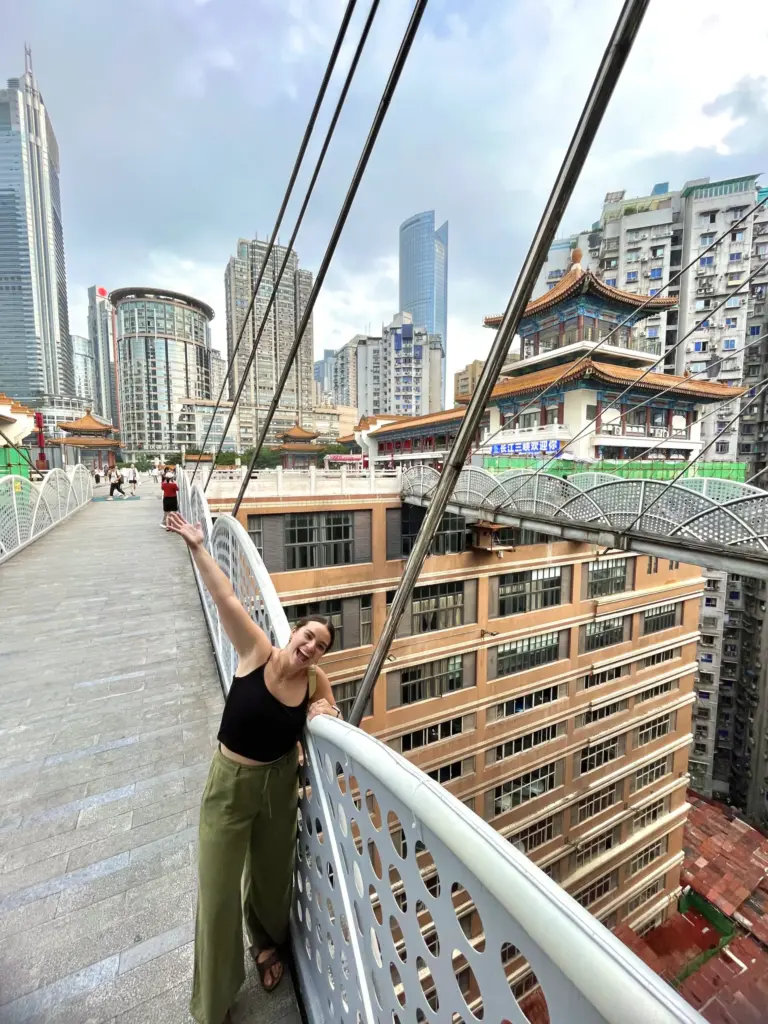
Introduction Chongqing, a sprawling megacity located in southwest China, has emerged as a significant player among China’s urban centers. Recognized for its unique blend of rich cultural history and rapid economic growth, Chongqing holds great relevance in understanding the dynamics of modern China. With a population exceeding 30 million, it is one of the most
Introduction
Chongqing, a sprawling megacity located in southwest China, has emerged as a significant player among China’s urban centers. Recognized for its unique blend of rich cultural history and rapid economic growth, Chongqing holds great relevance in understanding the dynamics of modern China. With a population exceeding 30 million, it is one of the most populous cities in the world, and its strategic location along the Yangtze River has made it a critical hub for trade and transportation.
Recent Developments
In recent years, Chongqing has witnessed unprecedented development, particularly in sectors such as manufacturing, logistics, and technology. The city’s government has invested heavily in infrastructure projects, including the construction of bridges, highways, and public transportation systems to improve connectivity both within the city and with international markets. In 2023 alone, Chongqing’s GDP growth reached an impressive 6.8%, outpacing the national average, largely driven by a robust industrial sector and an influx of foreign investment.
Chongqing is also enhancing its status as a tourism destination. The city is famous for its spicy hot pot, stunning landscapes, and historical landmarks such as the Dazu Rock Carvings, a UNESCO World Heritage site. Recent tourism initiatives, including improved accommodations and promotional campaigns, have led to a significant increase in both domestic and international visitors.
Challenges and Opportunities
Despite its robust growth, Chongqing faces several challenges. Air pollution, urban congestion, and social inequality are pressing issues that need to be addressed to ensure sustainable development. The local government has been implementing various environmental regulations and social programs aimed at improving living conditions for all residents. Additionally, the ongoing Belt and Road Initiative opens up great opportunities for Chongqing to enhance its logistical capabilities and trade relationships across Asia and beyond.
Conclusion
As Chongqing continues to evolve, it presents both remarkable opportunities and challenges that reflect broader trends in China’s development. For residents, businesses, and policymakers alike, understanding the multifaceted elements at play in this vibrant city will be crucial for navigating its future. The city’s dynamic growth may serve as a blueprint for other emerging urban centers around the world, highlighting the potential of urbanization in transforming economies and improving quality of life.