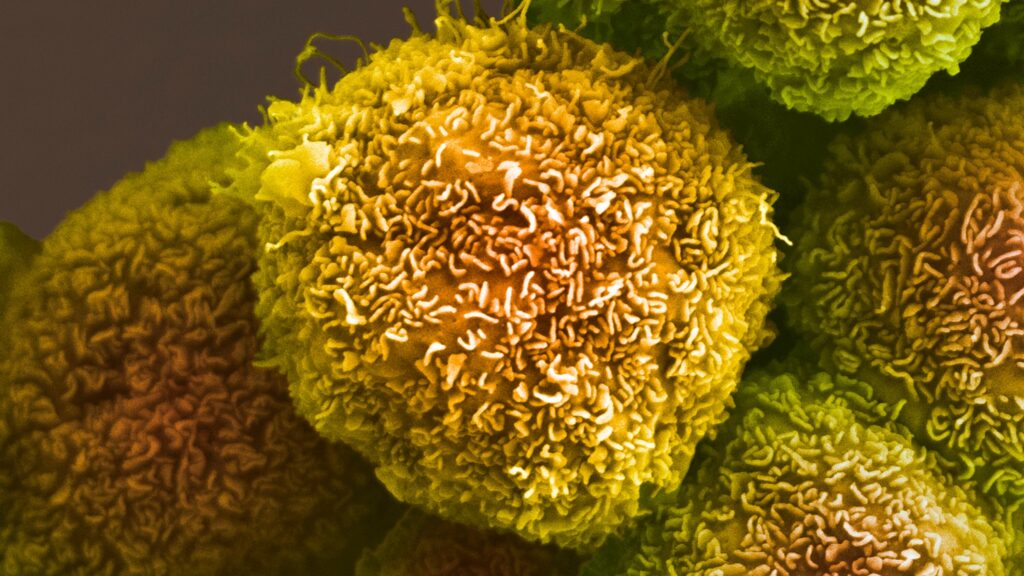
The Significance of Pancreatic Cancer Research Pancreatic cancer remains one of the most lethal cancers globally, with a five-year survival rate of just 10%. Understanding and finding effective treatments for this aggressive disease is critical, particularly as its incidence continues to rise. Researchers and healthcare professionals are tirelessly working toward not only improving early detection
The Significance of Pancreatic Cancer Research
Pancreatic cancer remains one of the most lethal cancers globally, with a five-year survival rate of just 10%. Understanding and finding effective treatments for this aggressive disease is critical, particularly as its incidence continues to rise. Researchers and healthcare professionals are tirelessly working toward not only improving early detection but also identifying potential cures that could change the landscape for patients diagnosed with this devastating illness.
Recent Advances in Treatments
In recent months, a handful of promising studies have emerged that may pave the way for future cures for pancreatic cancer. Notably, a clinical trial conducted at the Johns Hopkins School of Medicine revealed that a new immunotherapy approach, which harnesses the power of the body’s immune system, showed positive results in shrinking tumors in a significant percentage of participants. This method, known as checkpoint inhibition, is aimed at enabling the immune system to recognize and attack cancer cells more effectively.
Additionally, development in targeted therapies is gaining traction. A particular study published in ‘Nature’ highlighted the effectiveness of a novel drug, which specifically targets a genetic mutation found in a subset of pancreatic cancer patients, offering a more personalized treatment approach.
Importance of Early Detection
Alongside these therapeutic advancements, researchers stress the importance of early detection in improving survival rates for pancreatic cancer. Innovative screening techniques utilizing biomarkers are being explored. These tests can potentially identify the presence of pancreatic cancer much earlier than conventional methods, significantly impacting treatment outcomes.
The Road Ahead
While the journey toward a definitive cure for pancreatic cancer is long and fraught with challenges, the recent breakthroughs serve as a beacon of hope. Researchers remain optimistic that continued investment in clinical trials and collaborative efforts can yield even more robust results. Patients and families should remain informed and connected to advancements in research, as new therapies and trials are continually developed.
Conclusion
In summary, the developments in finding a cure for pancreatic cancer highlight a growing commitment from the scientific community to combat this formidable disease. As ongoing research efforts deliver encouraging results, the potential for improved therapies offers renewed hope for patients and their families. Staying abreast of these advancements is vital for those affected, as they may soon benefit from new treatment options that could significantly enhance quality of life and survival rates.