Introduction Susan Collins, the senior United States Senator from Maine, plays a crucial role in contemporary American politics. As a moderate Republican, Collins is often viewed as a pivotal figure in the Senate, particularly in divided government scenarios. Her approach to bipartisanship and her electoral strategies are significant as they reflect broader trends within the
Introduction
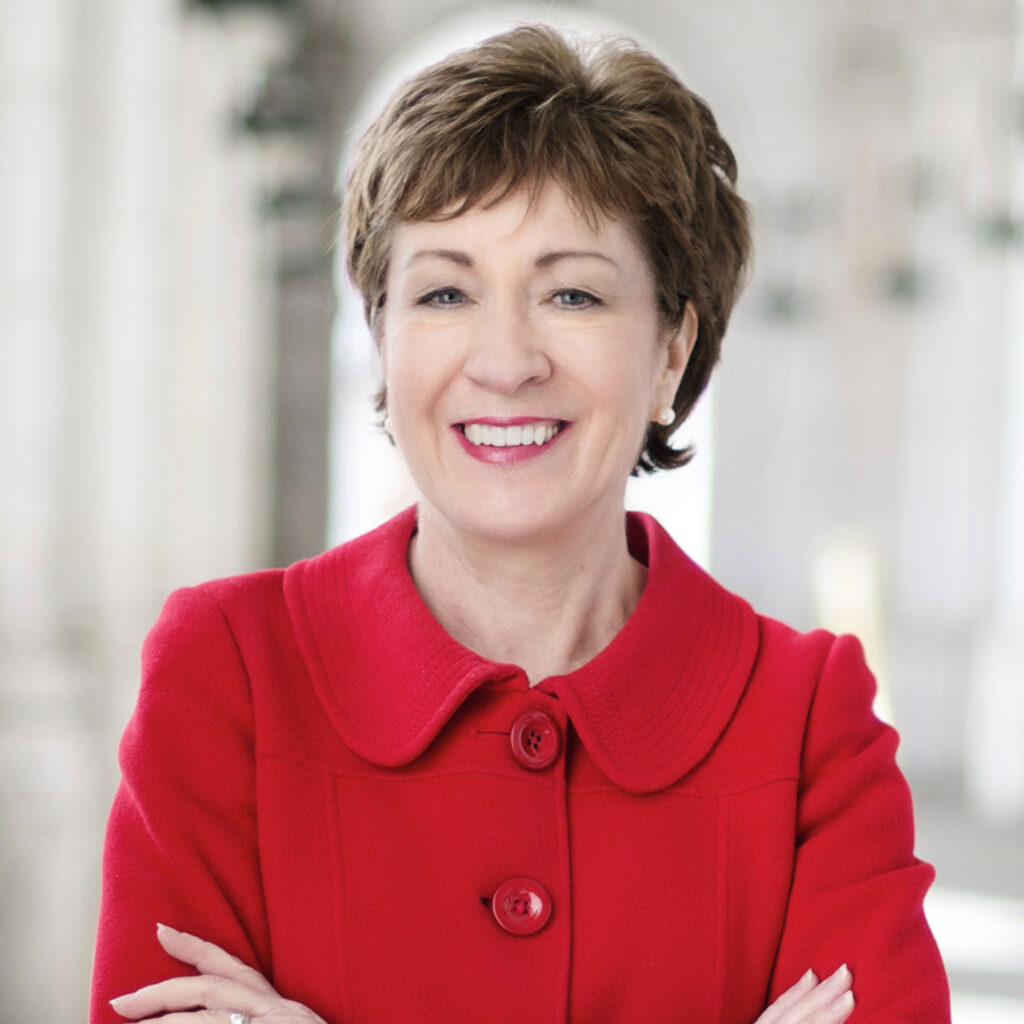
Susan Collins, the senior United States Senator from Maine, plays a crucial role in contemporary American politics. As a moderate Republican, Collins is often viewed as a pivotal figure in the Senate, particularly in divided government scenarios. Her approach to bipartisanship and her electoral strategies are significant as they reflect broader trends within the Republican Party and congressional dynamics.
Background and Political Rise
Born on July 7, 1952, Collins graduated from St. Lawrence University with a degree in government. Before her election to the Senate in 1996, she served in various roles, including as the Maine Commissioner of Professional and Financial Regulation. Her political career has been marked by a commitment to moderate policies and a focus on constituent concerns, which enabled her to win re-election multiple times even in increasingly polarized times.
Recent Developments and Legislative Actions
In recent months, Collins has continued to be an influential voice in the Senate, particularly during critical votes on issues like climate change, healthcare, and social policy. Her recent support for certain bipartisan measures, including gun control and infrastructure spending, underscores her role as a swing vote in a closely divided Senate. In 2022, Collins was pivotal in negotiations surrounding COVID-19 relief efforts, ensuring that critical support reached vulnerable populations in her state and beyond.
Despite facing criticism from both conservative and progressive factions, Collins has maintained her position by emphasizing the importance of compromise and dialogue. She has been regarded as a crucial player in various high-stakes confirmations, notably during the approval of Supreme Court justices, where her votes have often swayed the outcomes.
Conclusion
The influence of Susan Collins extends beyond her state of Maine; her willingness to engage in bipartisan dialogue has made her a unique figure in American politics. Observers speculate that her approach may serve as a model for a more collaborative legislative process in an increasingly polarized environment. As Collins prepares for the upcoming 2024 elections, her strategies and decisions will be closely analyzed, as they could have significant implications for the future of the Republican Party and the Senate as a whole.