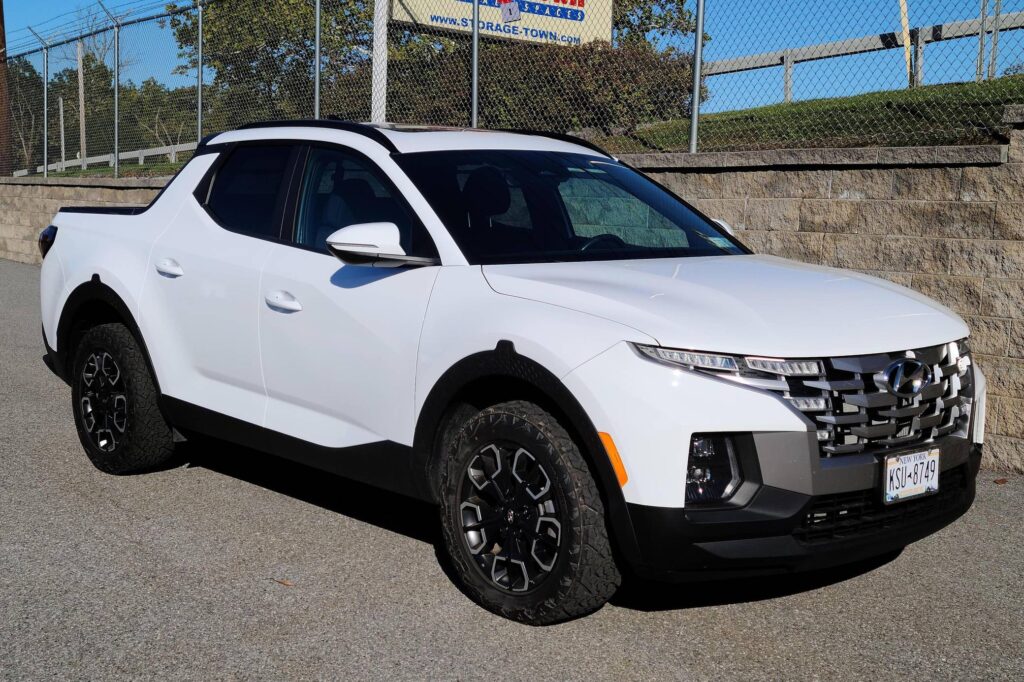
Introduction The Hyundai Santa Cruz has carved a niche in the automotive market as a unique blend of a compact SUV and a pickup truck. Launched in 2021, this versatile vehicle has garnered attention for its innovative design and practical features. As the automotive industry shifts towards more diverse vehicle offerings, understanding the significance of
Introduction
The Hyundai Santa Cruz has carved a niche in the automotive market as a unique blend of a compact SUV and a pickup truck. Launched in 2021, this versatile vehicle has garnered attention for its innovative design and practical features. As the automotive industry shifts towards more diverse vehicle offerings, understanding the significance of the Hyundai Santa Cruz is crucial for both consumers and industry experts alike.
Design and Features
The Santa Cruz features a striking design that distinguish it from conventional pickups. Its low-profile body height and SUV-like styling aim to attract those seeking the utility of a truck without the bulky appearance. The truck bed measures in at five feet and is crafted for optimal utility, offering features like a lockable cover, in-bed lighting, and built-in outlets for outdoor activities.
The interior of the Santa Cruz is designed with comfort and technology in mind. Boasting spacious seating for five, the cabin comes equipped with the latest tech features, including a touchscreen infotainment system, Apple CarPlay, and Android Auto. Safety features such as Forward Collision-Avoidance Assist and Blind-Spot Monitoring are integrated, enhancing both driver and passenger protection.
Latest Updates and Market Reception
Recent updates to the Santa Cruz include advancements in fuel efficiency for its base 2.5-liter four-cylinder engine, which generates 191 horsepower. Additionally, the available 2.5-liter turbocharged option, offering 281 horsepower, appeals to consumers who require higher towing capacity. These updates cater to a growing market of individuals seeking both lifestyle-oriented vehicles and the practicality of a truck.
Selling approximately 16,000 units in its debut year, market reception has been largely positive, with consumers praising its blend of functionality and modern aesthetics. However, challenges remain as competition from other automakers, such as Ford’s Maverick and the Chevrolet Colorado, increases. Each competitor presents unique features, highlighting the need for Hyundai to continuously innovate and adapt.
Conclusion
The Hyundai Santa Cruz represents a significant evolution in the pickup truck segment, appealing to consumers who desire the utility of a truck without compromising on comfort and style. As the automotive landscape evolves and consumer preferences shift, the future of the Santa Cruz looks promising. Its continued success will heavily depend on Hyundai’s commitment to innovation and adaptability in a rapidly changing market. For readers considering their next vehicle, the Hyundai Santa Cruz offers a uniquely appealing option that combines the best of both worlds.