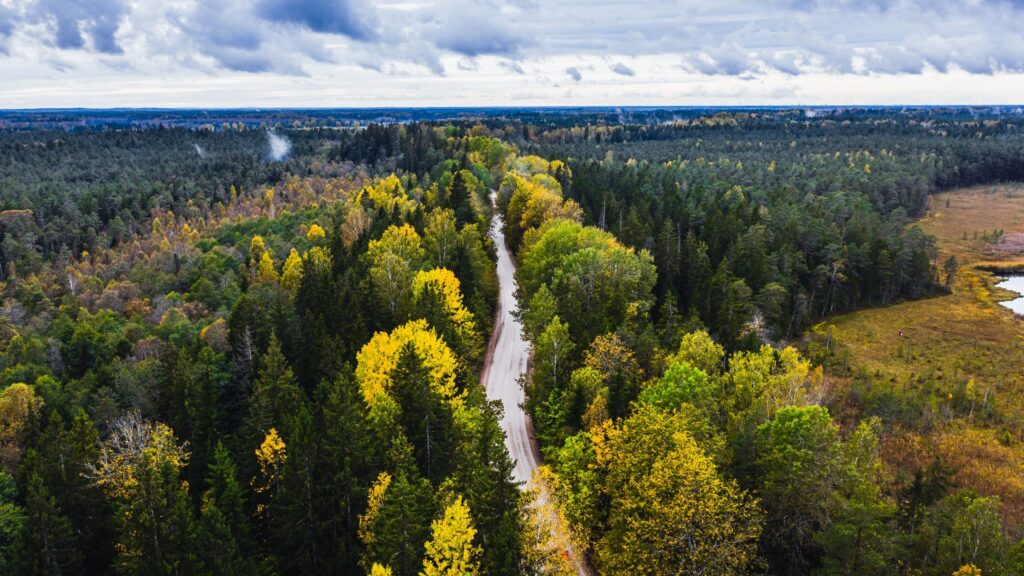
Introduction Latvia, a small yet enchanting country in the Baltic region of Europe, is often overshadowed by its larger neighbors. However, it has become an increasingly popular destination for travelers seeking rich history, vibrant culture, and breathtaking natural landscapes. Understanding Latvia’s significance offers insights into not only the Baltic region but also the evolving dynamics
Introduction
Latvia, a small yet enchanting country in the Baltic region of Europe, is often overshadowed by its larger neighbors. However, it has become an increasingly popular destination for travelers seeking rich history, vibrant culture, and breathtaking natural landscapes. Understanding Latvia’s significance offers insights into not only the Baltic region but also the evolving dynamics of European tourism and cultural exchange.
Geography and Population
Located between Estonia and Lithuania, Latvia boasts a diverse geography characterized by stunning coastlines along the Baltic Sea, vast forests, and many rivers and lakes. With a population of approximately 1.9 million nearly equally diverse in ethnic background, Latvia is a melting pot of cultures, predominantly Latvian, Russian, and other ethnic groups contributing to its unique identity.
Historical Context
The history of Latvia is both complex and fascinating, shaped by its strategic location. Once part of various empires — including the German, Polish, Swedish, and Russian — Latvia declared independence in 1918. It regained its independence from the Soviet Union in 1990, marking a significant moment in its modern history that has helped shape its current identity and approach to governance.
Cultural Highlights
Latvia is renowned for its rich traditions, particularly its folk music and dances. The country’s capital, Riga, is a UNESCO World Heritage site, celebrated for its stunning Art Nouveau architecture and vibrant atmosphere. Events like the Latvian Song and Dance Festival showcase the strong sense of community and cultural pride among Latvians. Additionally, the countryside features charming towns and picturesque landscapes where visitors can immerse themselves in local folklore and traditions.
Tourism and Economy
The tourism sector in Latvia has seen robust growth, contributing significantly to its economy. Historical sites, natural parks, and Baltic beaches draw tourists year-round. Many travelers are also attracted to the capital city’s thriving nightlife, rich gastronomy, and cultural festivals, which have increased Latvia’s visibility on the international tourism map.
Conclusion
Latvia stands out as a hidden gem in Europe, combining cultural depth with stunning natural beauty. As more travelers explore this Baltic nation, Latvia is on a path toward forging its identity in the global arena, promoting itself as a must-visit destination. With its unique blend of history, culture, and scenic landscapes, Latvia not only invites exploration but also promises a memorable experience for anyone looking to uncover its treasures.