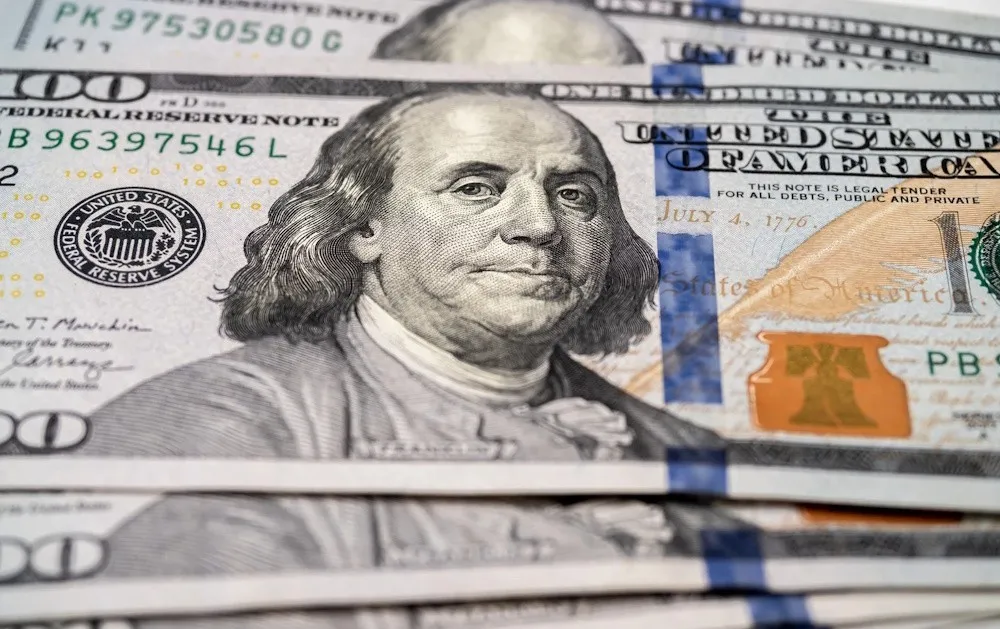
The dollar index saw a sharp decline after peaking at a near 10-month high, influenced by recent economic data and market sentiment.
Who is involved
The US Dollar Index (DXY) had recently reached a near 10-month high of 100.54, leading many analysts to anticipate a continued strengthening of the dollar. This surge was largely attributed to expectations surrounding interest rate differentials and inflationary pressures, particularly in light of geopolitical tensions in the Middle East. However, the outlook shifted dramatically following the release of key economic indicators.
On March 16, 2026, the dollar index fell by -0.64%, trading around 100.20 during Asian hours. This decline was notable as it marked a significant retreat from its previous high. The immediate cause of this downturn can be traced back to the US February Empire manufacturing survey index, which fell by -7.3 to -0.2, a figure that was weaker than the anticipated 3.9. This unexpected drop in manufacturing sentiment raised concerns about the broader economic outlook.
In contrast, the US February manufacturing production showed a slight increase of +0.2% month-over-month, surpassing expectations of +0.1%. Despite this positive data point, the overall sentiment surrounding the dollar remained bearish. Analysts pointed out that the dollar continues to be undercut by a poor outlook for interest rate differentials, which has been a significant factor in its recent volatility.
As the dollar index dipped to 99.95, it became evident that market participants were recalibrating their expectations. The prevailing sentiment indicated a near 100% chance that the Federal Reserve would keep interest rates unchanged at the end of its upcoming meeting. This anticipation of stable rates contributed to the dollar’s downward pressure, as investors sought clarity on future monetary policy.
Expert opinions have highlighted the complexities of the current market dynamics. Eugene Epstein noted, “Everything is being driven by oil at present; I don’t think the movement is necessarily correct.” This perspective suggests that external factors, particularly fluctuations in oil prices, are significantly influencing currency valuations, including that of the dollar.
Furthermore, Epstein remarked, “The market has priced in a lot of hawkishness purely based on expectations of higher inflation because of this oil shock. I think that’s very misplaced and will eventually work its way out in the coming weeks and maybe months.” This commentary underscores the potential for market corrections as investors digest the implications of recent economic data and geopolitical developments.
As the dollar index continues to navigate these turbulent waters, the interplay between economic indicators, market sentiment, and external factors will be crucial in determining its trajectory. The recent decline serves as a reminder of the inherent volatility in currency markets, particularly in response to shifting economic landscapes.