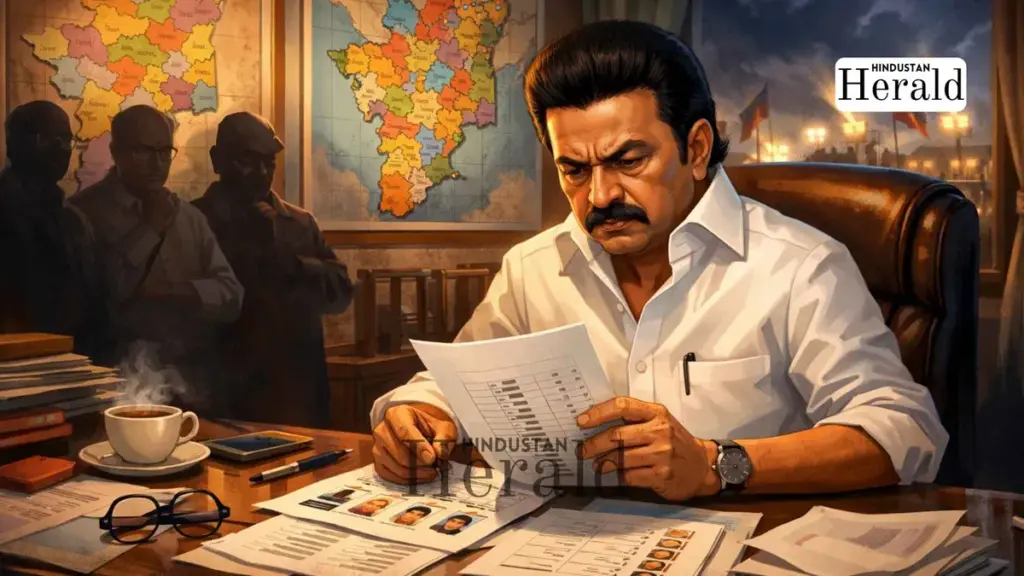
The DMK is set to announce its candidate list for the 2026 Tamil Nadu elections, marking a pivotal moment in the state’s political scene.
Who is involved
The political landscape in Tamil Nadu has been significantly shaped by the Dravida Munnetra Kazhagam (DMK), which has held power since 2021. In the previous elections, the DMK secured a commanding victory, winning 159 out of 234 assembly seats. As the state gears up for the upcoming elections scheduled for April 23, 2026, the anticipation surrounding the DMK’s candidate list is palpable. The list is expected to be announced on March 27, 2026, just days before the nominations window opens on March 30.
In contrast, the AIADMK, the DMK’s main opposition, has already revealed a total of 150 candidates for the elections and plans to contest 169 constituencies. This sets the stage for a fierce competition, especially as the DMK prepares to directly contest 164 seats while forming alliances with parties like Congress and DMDK, which will contest 28 and 10 seats, respectively. The dynamics of this election are crucial for the DMK, as they seek to maintain their ruling status against a backdrop of increasing competition.
The announcement of the candidate list is a decisive moment that could influence the electoral prospects of the DMK. M.K. Stalin, the party leader, has asserted that “Every seat in Tamil Nadu belongs to the DMK, whether or not the party has a direct candidate there.” This statement underscores the party’s confidence and strategic positioning ahead of the elections. The release of the DMK’s election manifesto on the same day as the candidate list further emphasizes the party’s commitment to outlining its vision for the future.
On the other hand, the AIADMK’s situation appears more precarious. Political analyst Saravanan Annadurai has pointed out the internal strife within the AIADMK, questioning their electoral prospects amid ongoing infighting. This turmoil could affect their ability to present a united front against the DMK, potentially swaying undecided voters.
In a notable development, actor Vijay is contesting the elections with his party, Tamilaga Vettri Kazhagam, without any alliances. His independent candidacy adds another layer of complexity to the electoral battle, as he aims to carve out a niche in a landscape dominated by established political parties. The total number of constituencies he is contesting remains at 234, but details about his specific candidacies in Perambur and Trichy East are still unconfirmed.
The stakes are high for all parties involved as the nominations close on April 6, 2026. The DMK’s ability to effectively communicate its agenda through its candidate list and manifesto will be crucial in rallying support from the electorate. Meanwhile, the AIADMK must navigate its internal challenges while trying to regain lost ground.
As the election date approaches, the political atmosphere in Tamil Nadu is charged with anticipation. The DMK’s candidate list and manifesto will not only shape their campaign strategy but also set the tone for the electoral discourse in the state. With the complexities of alliances, independent candidacies, and internal party dynamics, the 2026 elections promise to be a pivotal moment in Tamil Nadu’s political history. Details remain unconfirmed regarding the final candidate list from DMK until the announcement on March 27, 2026.