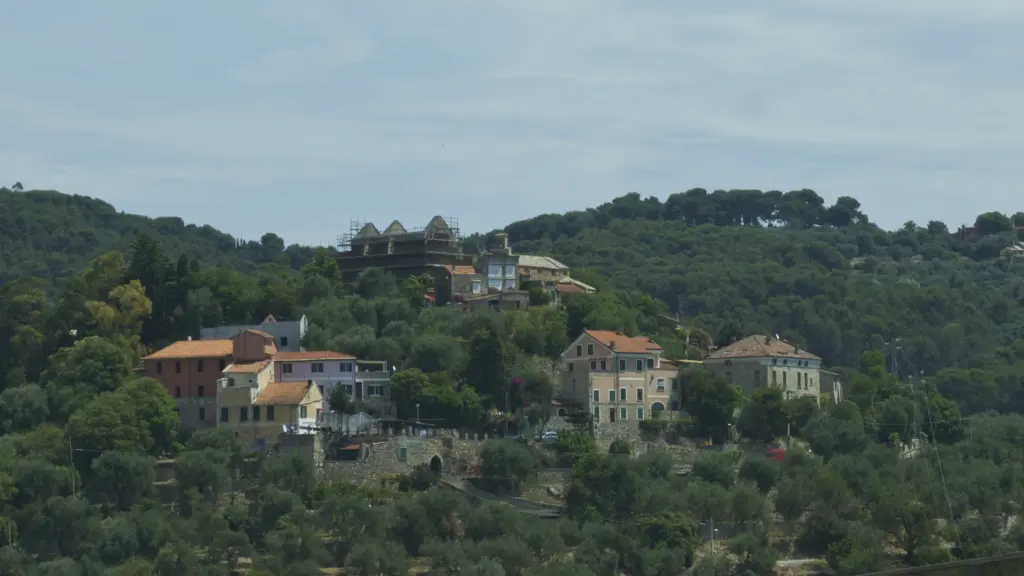
Introduction Andorra, a small, landlocked principality nestled in the Pyrenees mountains between France and Spain, is gaining increasing attention for its stunning landscapes and rich cultural heritage. Despite its modest size of just 468 square kilometers, Andorra attracts tourists with its picturesque mountains, skiing resorts, and historical sites. With the revival of travel post-pandemic, Andorra
Introduction
Andorra, a small, landlocked principality nestled in the Pyrenees mountains between France and Spain, is gaining increasing attention for its stunning landscapes and rich cultural heritage. Despite its modest size of just 468 square kilometers, Andorra attracts tourists with its picturesque mountains, skiing resorts, and historical sites. With the revival of travel post-pandemic, Andorra is positioning itself as a top destination for those seeking both adventure and relaxation in a stunning natural setting.
Tourism Growth and Attractions
The tourism sector in Andorra has witnessed a resurgence, particularly in 2023, as European travelers seek less crowded destinations. According to Andorra’s tourism office, the number of visitors increased by 25% in the first half of the year compared to 2022, driven primarily by those interested in winter sports and summer hiking adventures.
One of the most popular attractions is Grandvalira, the largest ski resort in the Pyrenees, offering over 200 kilometers of ski slopes that cater to all levels. However, it’s not just winter sports that draw visitors; Andorra is also known for its hiking trails. The famous Sorteny National Park offers breathtaking views and diverse flora and fauna, making it an ideal location for hikers and nature lovers.
Cultural Heritage and Events
Andorra’s history and culture are equally rich, with traditional festivals such as Andorra la Vella’s International Music Festival attracting global talent and local enthusiasts alike. The Principality’s unique blend of Catalan culture and Spanish influences can be seen throughout its charming villages, particularly in the architecture and local cuisine, such as ‘trinxat’ (a potato and cabbage dish) and delicious local cheeses.
Conclusion
As Andorra continues to cultivate its identity as a prime travel destination, the balance between preserving its cultural roots and accommodating a growing number of visitors is crucial. With increased efforts to promote sustainable tourism, Andorra has the potential to thrive as a hidden gem in Europe, appealing to eco-conscious travelers and those seeking a serene getaway. As travel trends indicate a shift towards more secluded and nature-based experiences, Andorra’s allure is likely to endure, making it a significant player in European tourism for years to come.