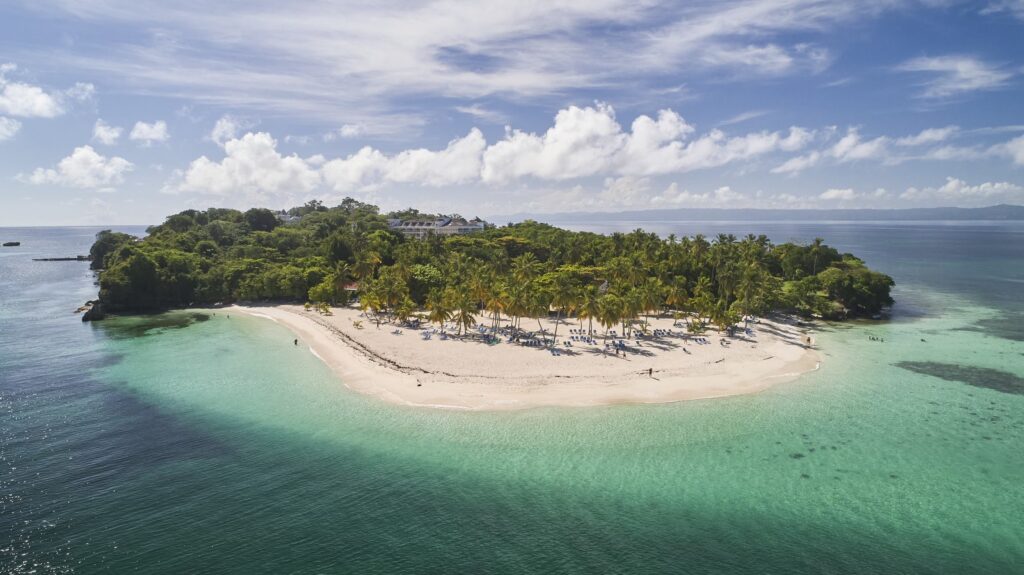
Introduction The Dominican Republic, an island nation located in the Caribbean, is renowned for its vibrant culture, stunning landscapes, and rich history. As one of the most popular tourist destinations in the region, it attracts millions of visitors each year seeking sun-soaked beaches, diverse ecosystems, and lively cities. Understanding the current landscape of tourism and
Introduction
The Dominican Republic, an island nation located in the Caribbean, is renowned for its vibrant culture, stunning landscapes, and rich history. As one of the most popular tourist destinations in the region, it attracts millions of visitors each year seeking sun-soaked beaches, diverse ecosystems, and lively cities. Understanding the current landscape of tourism and cultural significance in the Dominican Republic is essential for both prospective travelers and stakeholders in the tourism industry.
Recent Developments in Tourism
In 2023, the Dominican Republic has seen a remarkable recovery in tourism following the disruptions caused by the global pandemic. According to the Central Bank of the Dominican Republic, tourist arrivals have surged, with over 6 million visitors recorded in the first half of the year, marking an increase of 10% compared to 2022. This resurgence is attributed to the country’s effective health protocols and renewed interest in leisure travel.
Major tourist hotspots like Punta Cana and Puerto Plata have seen significant investments in infrastructure, including the completion of new luxury resorts and enhancement of airport facilities. The government has also initiated programs aimed at promoting eco-tourism and supporting local economies, aligning with global trends that favor sustainable travel options.
Cultural Significance
The Dominican Republic boasts a unique blend of Taíno, African, and European influences that shape its music, dance, art, and culinary experiences. Merengue and Bachata, traditional music genres originating from the Dominican Republic, have gained international fame, and cultural festivals celebrating these art forms attract both locals and tourists alike.
Notably, the capital city of Santo Domingo, a UNESCO World Heritage site, houses the oldest European settlement in the Americas, showcasing historic architecture and rich cultural heritage. The city’s Zona Colonial continues to be a focal point for tourists interested in both history and modern Dominican culture.
Conclusion
As the Dominican Republic continues to recover and evolve as a tourism destination, it remains a place of immense cultural significance, offering a diverse array of experiences for visitors. With ongoing investments in infrastructure and a commitment to sustainability, the country is likely to maintain its position as a leading Caribbean destination in the coming years. Whether travelers seek relaxation on beautiful beaches, vibrant cultural experiences, or adventurous excursions, the Dominican Republic promises a wealth of opportunities for exploration.