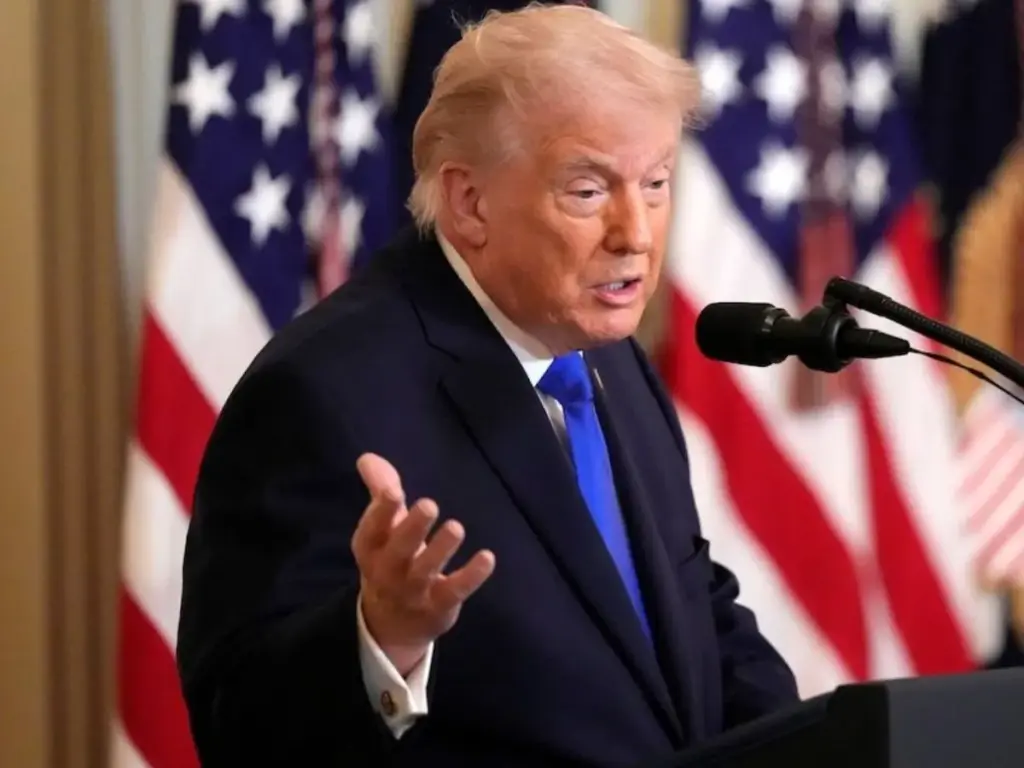
Cuba is grappling with a severe economic crisis, exacerbated by US sanctions and fuel shortages. The situation raises questions about future US involvement.
What is the current situation in Cuba?
Cuba is currently facing a significant economic crisis, which has been exacerbated by severe fuel shortages and the ongoing impact of US sanctions. The situation raises the question: how will the US’s potential shift in focus towards Cuba affect the island’s already struggling economy? Recent statements from former President Donald Trump suggest that the US may turn its attention to Cuba after resolving its conflict with Iran, indicating a possible change in US policy.
What are the key facts surrounding Cuba’s economic challenges?
The US has imposed stringent restrictions on the Cuban economy, affecting trade, finance, and energy supplies. As a result, Cuba’s GDP has contracted by 15 percent over the past five years. The Cuban government announced on February 8 that the island’s jet fuel supplies had run dry, leading to a crisis that has forced Cuban authorities to take drastic measures, including ordering students to leave universities as part of a contingency plan.
How have fuel shortages impacted daily life in Cuba?
The fuel shortages have had a direct impact on daily life in Cuba, with private taxi fares rising sharply. Petrol is now selling for $8 per liter on the black market, a staggering 400 percent increase from previous prices. Furthermore, vehicles are limited to purchasing only 20 liters of fuel in US dollars, which is equivalent to approximately 5.3 gallons. These restrictions have made transportation increasingly difficult for many Cubans.
What are the humanitarian implications of the crisis?
The humanitarian implications of the crisis are significant. Alejandro Candelaria, a Cuban citizen, remarked, “Living under these conditions doesn’t benefit anyone.” The economic downturn has led to widespread hardship, and experts like Daniel Torralbas have indicated that this year could be one of the toughest for the Cuban economy since the revolution. The combination of fuel shortages and economic contraction has created a dire situation for many families.
What role does Venezuela play in Cuba’s current crisis?
Cuba’s reliance on Venezuelan oil has further complicated its economic situation. The US Department of the Treasury has stated it will allow the resale of some Venezuelan oil to Cuba for commercial and humanitarian use. However, the effectiveness of this measure remains uncertain, as the island continues to grapple with shortages and economic instability.
What are the uncertainties surrounding US policy and its impact on Cuba?
As the US considers its future actions regarding Cuba, details remain unconfirmed. The exact impact of any policy changes on the Cuban economy is still unclear. Trump’s comments about focusing on Cuba after addressing the situation in Iran suggest that the US may be preparing to engage more directly with the island nation, but the implications of such a shift are yet to be fully understood.
What comes next for Cuba?
As Cuba navigates this challenging period, the international community will be watching closely. The interplay between US policy and Cuba’s economic needs will be crucial in determining the future of the island. For now, Cubans continue to face significant challenges as they adapt to the ongoing crisis, with many hoping for a resolution that will alleviate their suffering and restore stability to their lives.